

- The Power Pit
- Spiess Motorenbau – The Beating Heart of Winning Race Cars
Spiess Motorenbau – The Beating Heart of Winning Race Cars
A conversation between Jürgen Preuß and Holger Spiess about unsung champions, fathers, high revs, and why a four-cylinder is sometimes smarter than its driver.
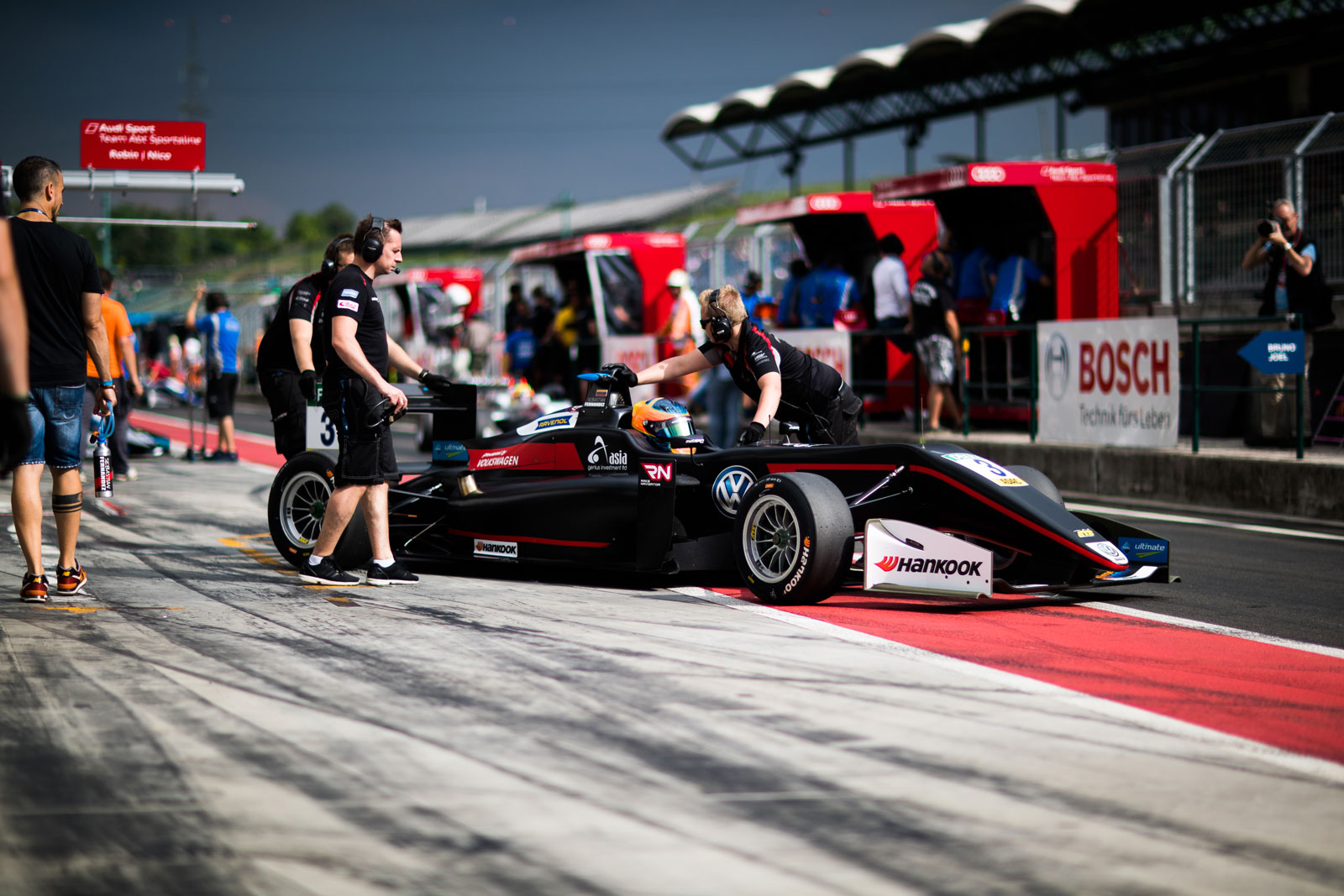
Some companies are plastered across every billboard. And then there are companies like Spiess Motorenbau from Ditzingen – they appear on no banners at all, yet their name has been woven into almost every victor’s wreath over the past fifty years. Countless races, championships, and podiums have been won with engines built in this unassuming workshop on Dieselstraße – and frankly: a good portion of the drivers who crossed the finish line with them probably didn’t even know whose craftsmanship was tucked beneath the hood. That’s exactly what I wanted to talk about with Holger Spiess, the man carrying his father’s legacy forward today – and, small confession upfront, an old friend of mine.
We’ve known each other since we were fifteen, tearing around back then not on racetracks, but on Kreidler mopeds. Some friendships simply endure, even if the horsepower numbers have climbed quite a bit since.
When he wrenches on the engine himself, he doesn't just get faster – he gets happier.
— Holger Spiess
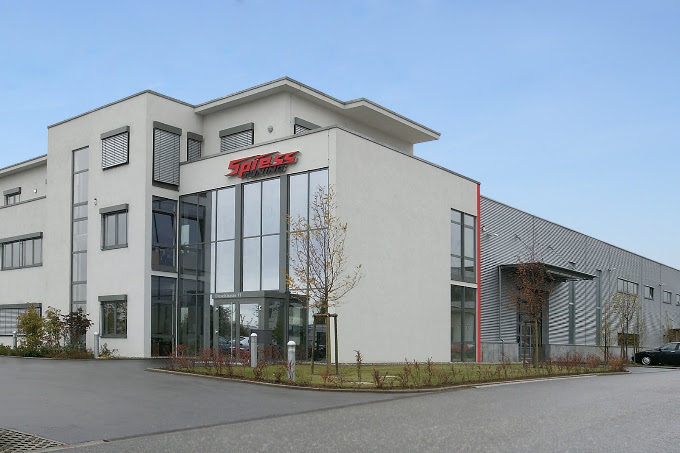
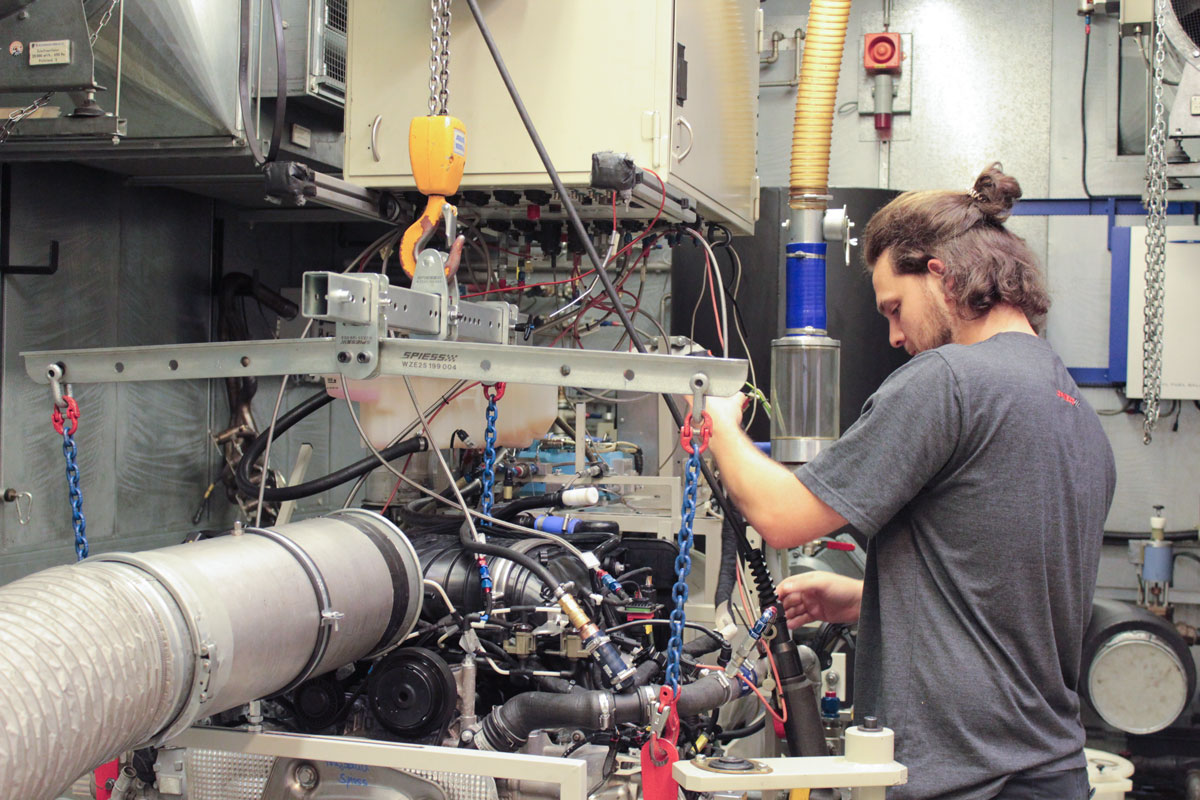
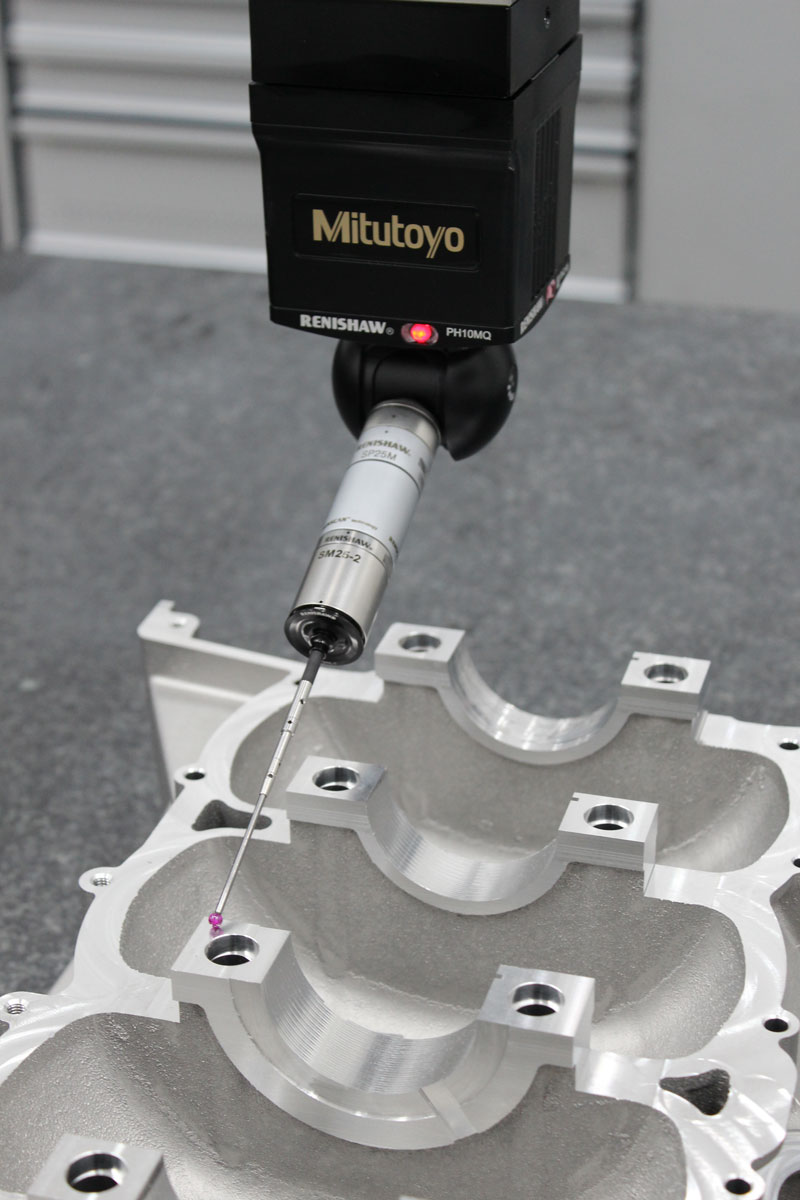
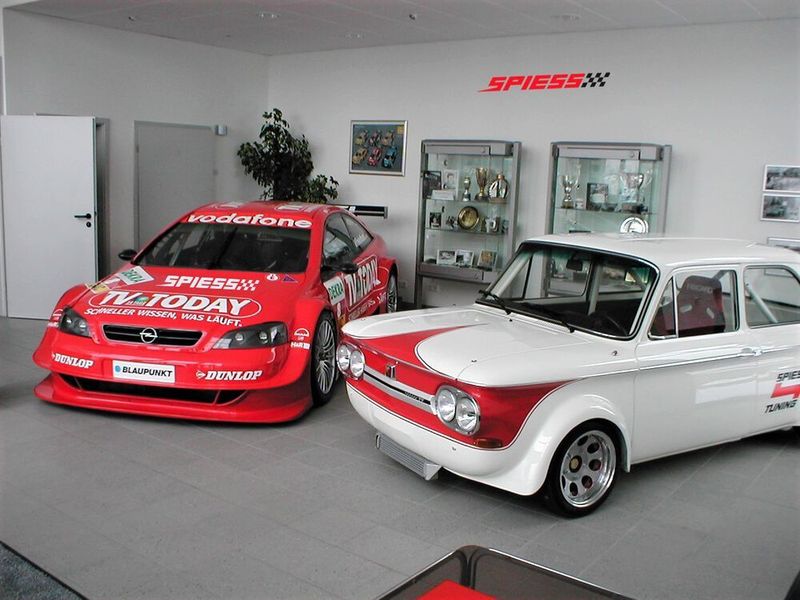
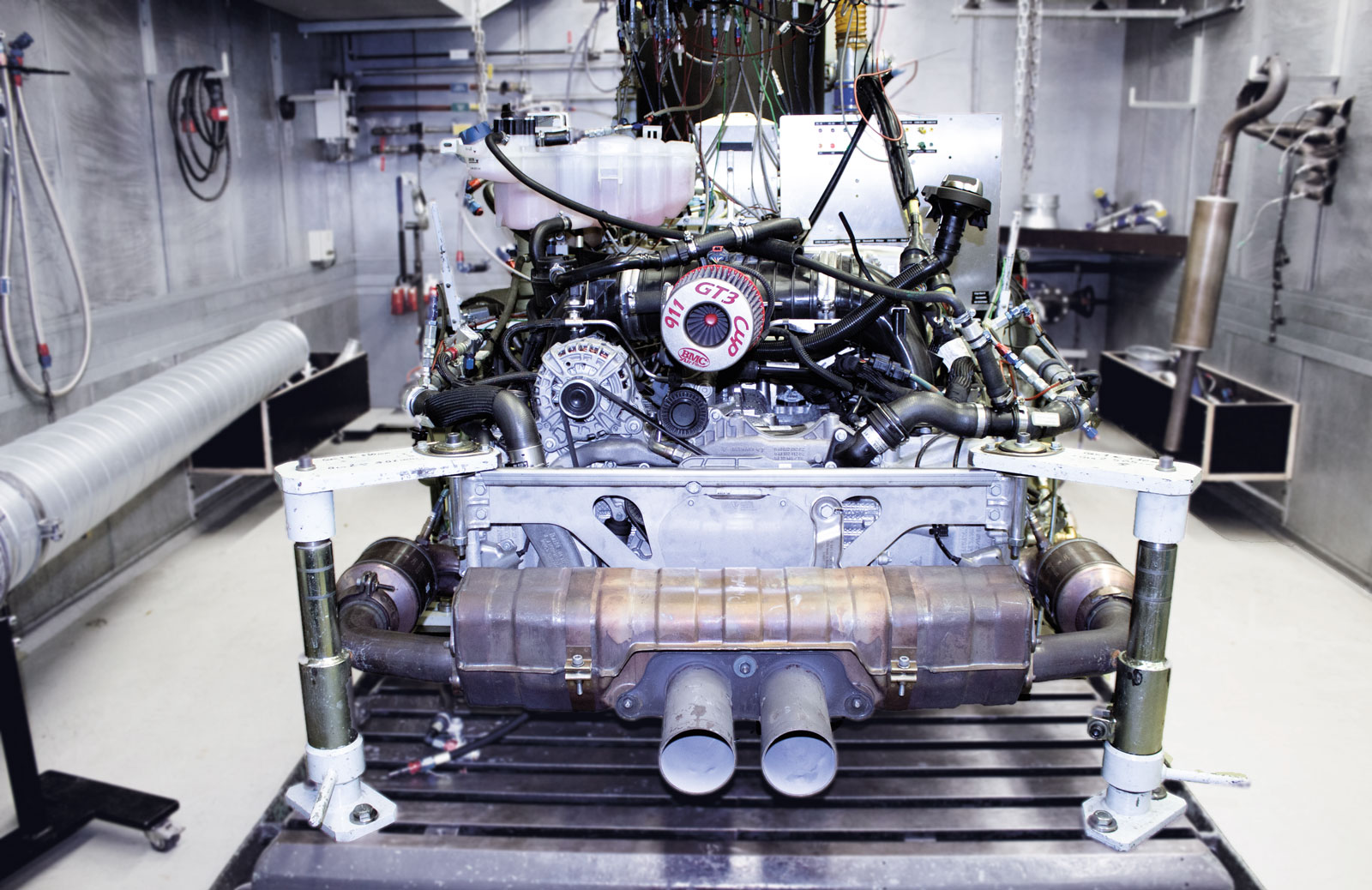
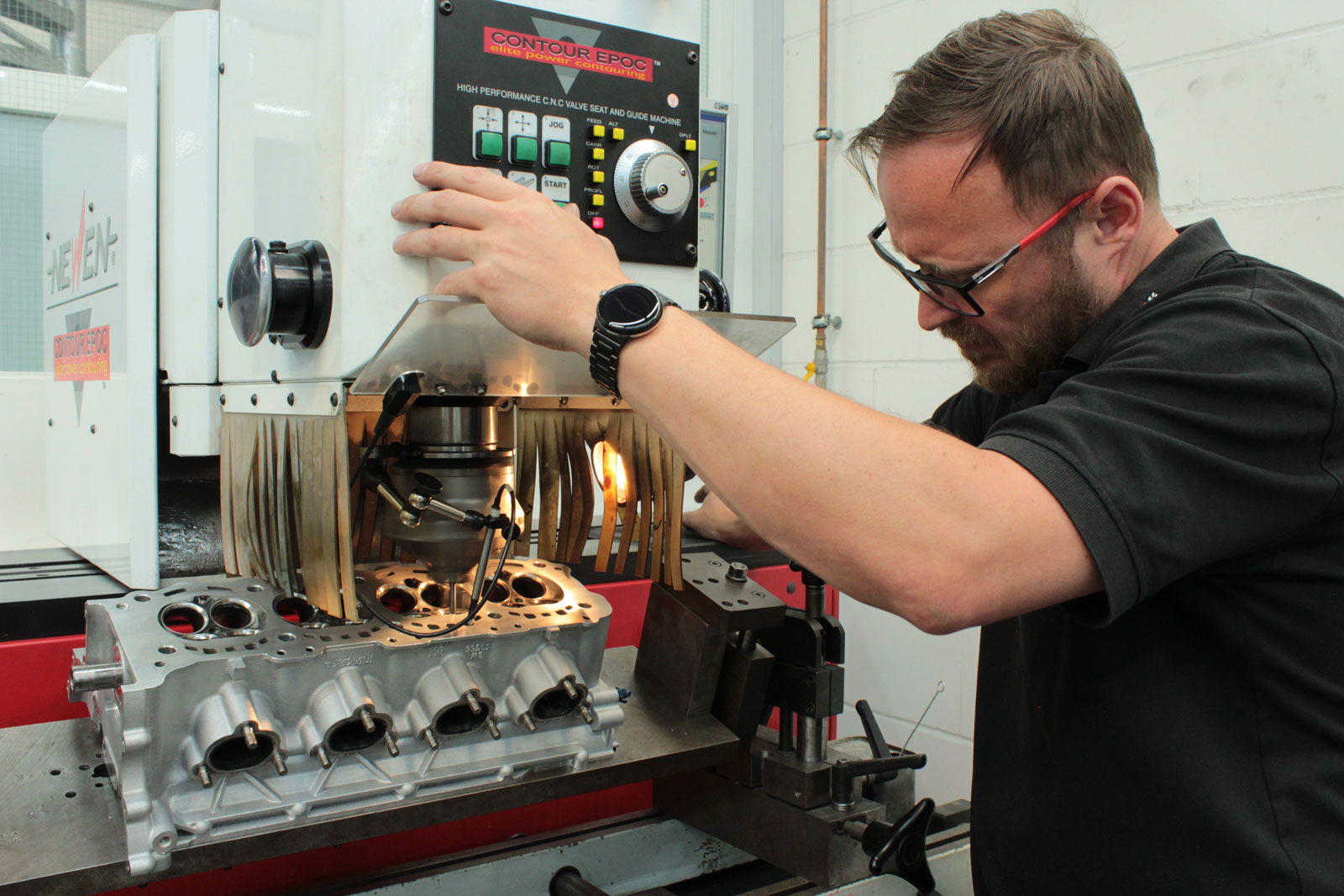
Jürgen Preuß: Holger, let’s start with the real elephant in the room – why does hardly anyone know the name Spiess, even though your engines have been fighting at the very front of the grid?
Holger Spiess: (laughs) Because we’re engine builders, not showmen. On the race calendar, you see the name of the team, the driver, sometimes the chassis builder. The engine mostly runs along nameless – yet it’s often the fine line between the podium and a DNF. We’ve spent decades simply delivering: reliable, consistent, powerful. Some drivers only found out years later that their powerplant came from Ditzingen, and they were genuinely surprised. Honestly, it’s about time we change that. The achievements forged here across generations deserve to be seen.
Preuß: Then let’s shine a light on it. How did it all actually start?
Spiess: My father started out racing motorcycles, and cars came along later. And he was a purist who did it all himself in the best possible sense: he always built his race cars from scratch – frame, suspension, engine, everything from a single hand. At some point, he realized the engine is the real lever where you can make the biggest impact. Around 1980, he fully committed to engine engineering. No business plan, no market research – just a guy who wanted to know how to turn a production engine into a beast. That curiosity is still alive in every workbench here today.
Preuß: And eventually came the moment when the baton was passed on.
Spiess: Yes, but it wasn’t a flip-of-the-switch moment. I practically grew up in the workshop; to put it mildly, I was in overalls before kindergarten. The handover was more of a gradual growing-in than an official meeting with cake. My father had a say for a long time, and rightly so – after all, his name is on the front door. But eventually, the second generation has to be allowed to make its own mistakes. That was the real vote of confidence.
Preuß: Let’s talk about the victories hardly anyone connects with you. Formula 3, for instance.
Spiess: That was and remains our core. Over many years in German and European Formula 3, rows of future Formula 1 drivers sat in cars powered by our engines – often without giving it much thought at the time. To them, it was just “the engine.” For us, it was the ultimate proof: if a powerplant delivers consistently in this class, it isn’t just fast, it’s honest. No firework that blows up after two races, but reliability under full load, race after race, season after season.
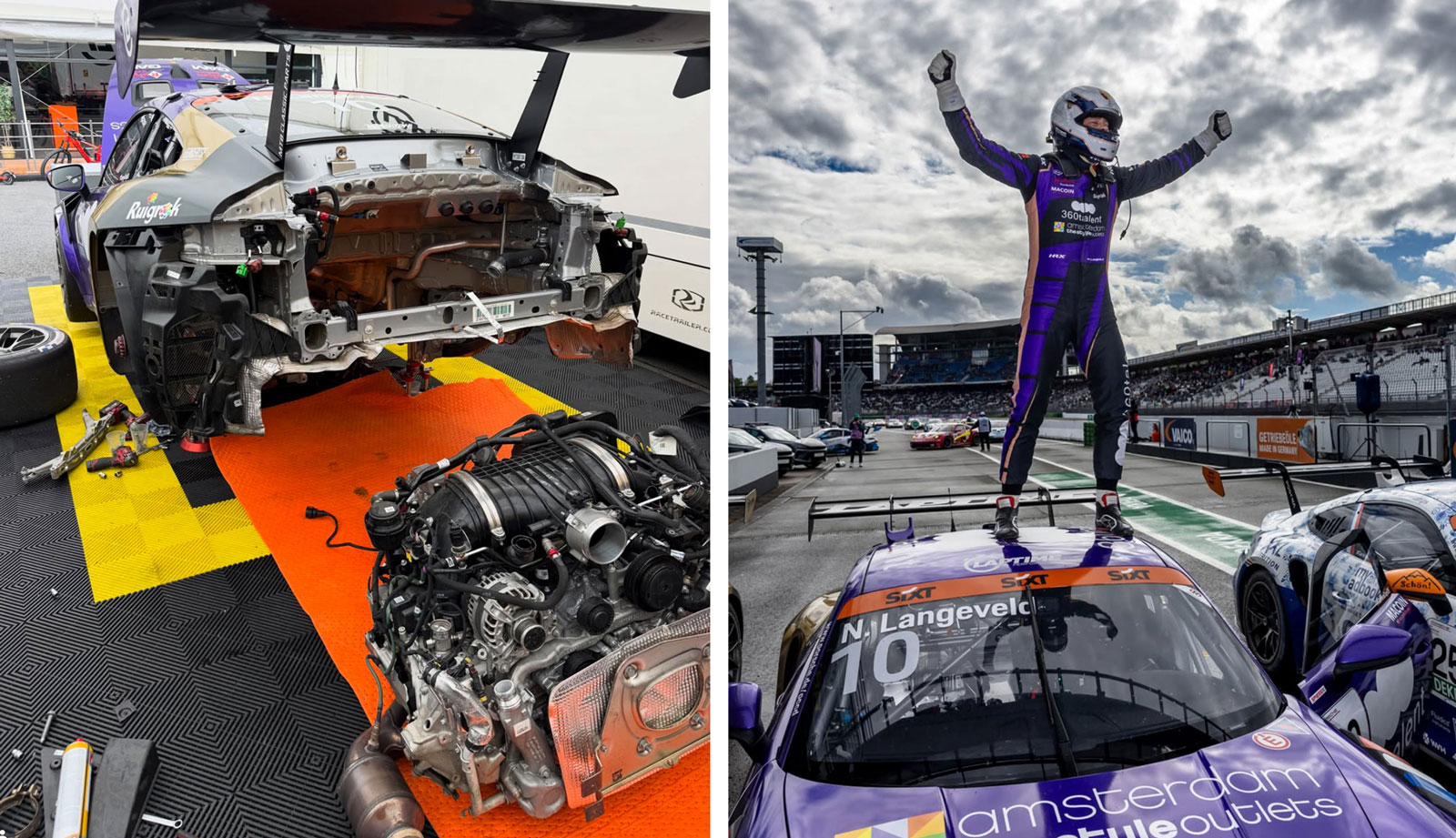
Preuß: And then the motorsport giants came knocking.
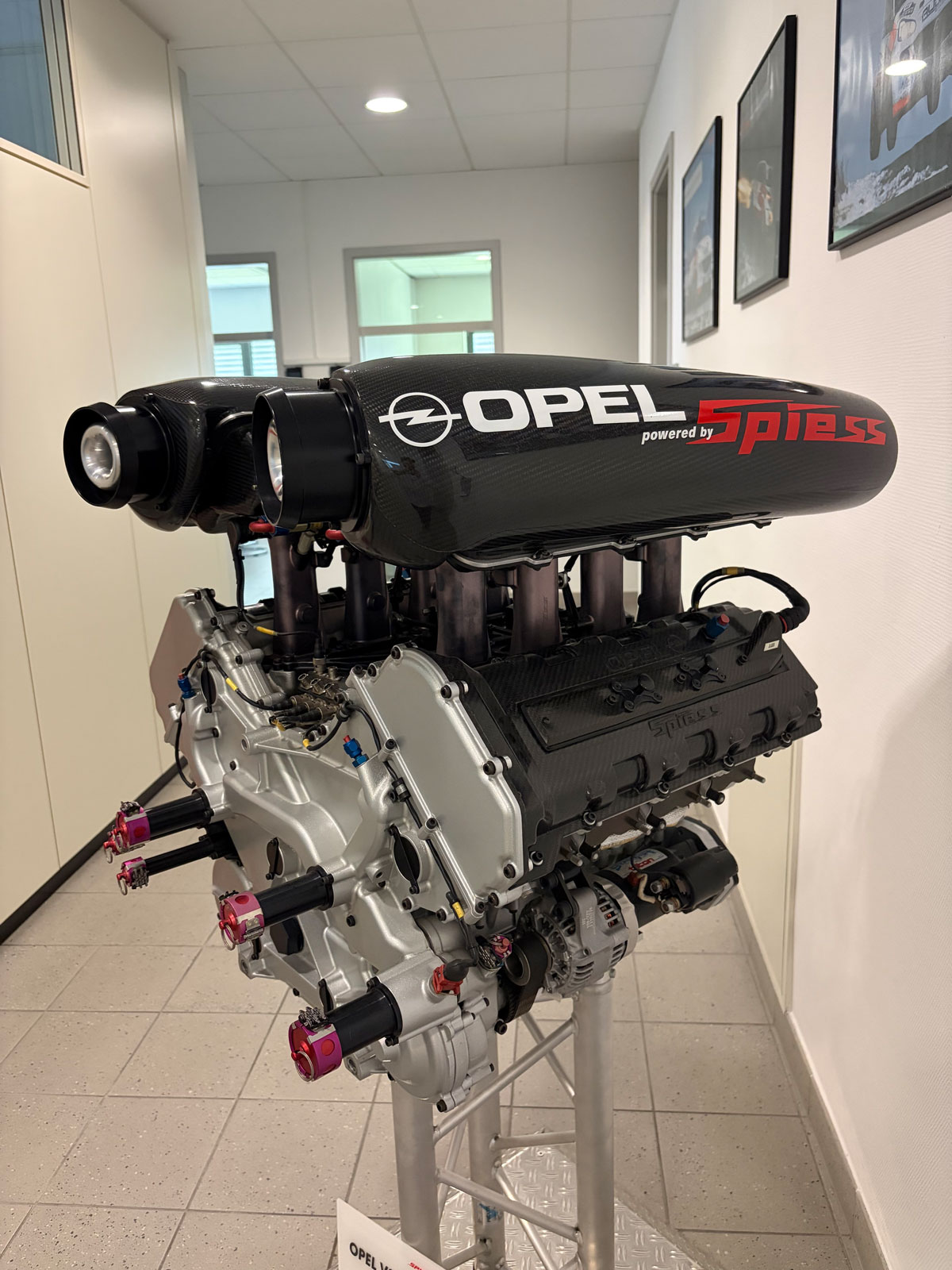
Spiess: Exactly. In 1997, Opel came aboard with engines for the STW championship, which later became the reborn DTM in 2000. In 2005, VW followed with engines for the Touareg rally cars at the Dakar – break down out there in the desert and there’s no garage around the corner, an engine simply has to endure. We were also involved in developing VW’s WRC engines. And starting in 2016, the Porsche Cup engines arrived. The pattern was always the same: we were the hidden champion that promised success while operating strictly in the shadows. The drivers and manufacturers celebrate their win, and we celebrate quietly along with them – usually with oil under our fingernails.
Preuß: Speaking of drivers – there’s something I have to bring up before we go on. Word is that a good Spiess engine is sometimes smarter than the person driving it. What’s the story behind that?
Spiess: (grins) That’s no exaggeration; that’s experience from a thousand race outings. A driver pumped full of adrenaline doesn’t always make the smartest call – popping the clutch too early, revving too hot, shifting gears at the wrong split second. That’s precisely where our work begins: we engineer tolerances, fuel maps, and safety margins into the powerplant so the engine absorbs the mistakes the brain in the cockpit inevitably makes under stress. When in doubt, the engine “knows” where the limit is before the driver does, and keeps on pulling. That’s no accident; that’s over fifty years of hard-wired engineering humility – we build for the worst-case scenario, not the ideal one. So yes, in many race debriefs, our four-cylinder truly kept a cooler head than the guy behind the wheel.
Preuß: Who’s actually behind this quiet success story? Tell us about the team.
Spiess: That might be my favorite topic. We have people with us who’ve been building engines for decades – true masters of their trade who recognize a cylinder head just by its sound and calculate tolerances in their head before the calipers even touch the metal. You can’t replace that kind of knowledge; you don’t get it from a manual. At the same time, we have young guns on board who come in with simulations, modern sensor technology, and fresh ideas, wanting to push everything forward. That mix can be wonderfully uncomfortable at times – some say “we’ve always done it this way,” while others ask “why, actually?”. It’s precisely that friction that sparks progress for us. Experience provides the substance, impatience brings the speed. Together, they are our real capital – far more than any machine on the shop floor.
Preuß: But you’re not just engineering for the future, you’re also looking back – classic racing engines.
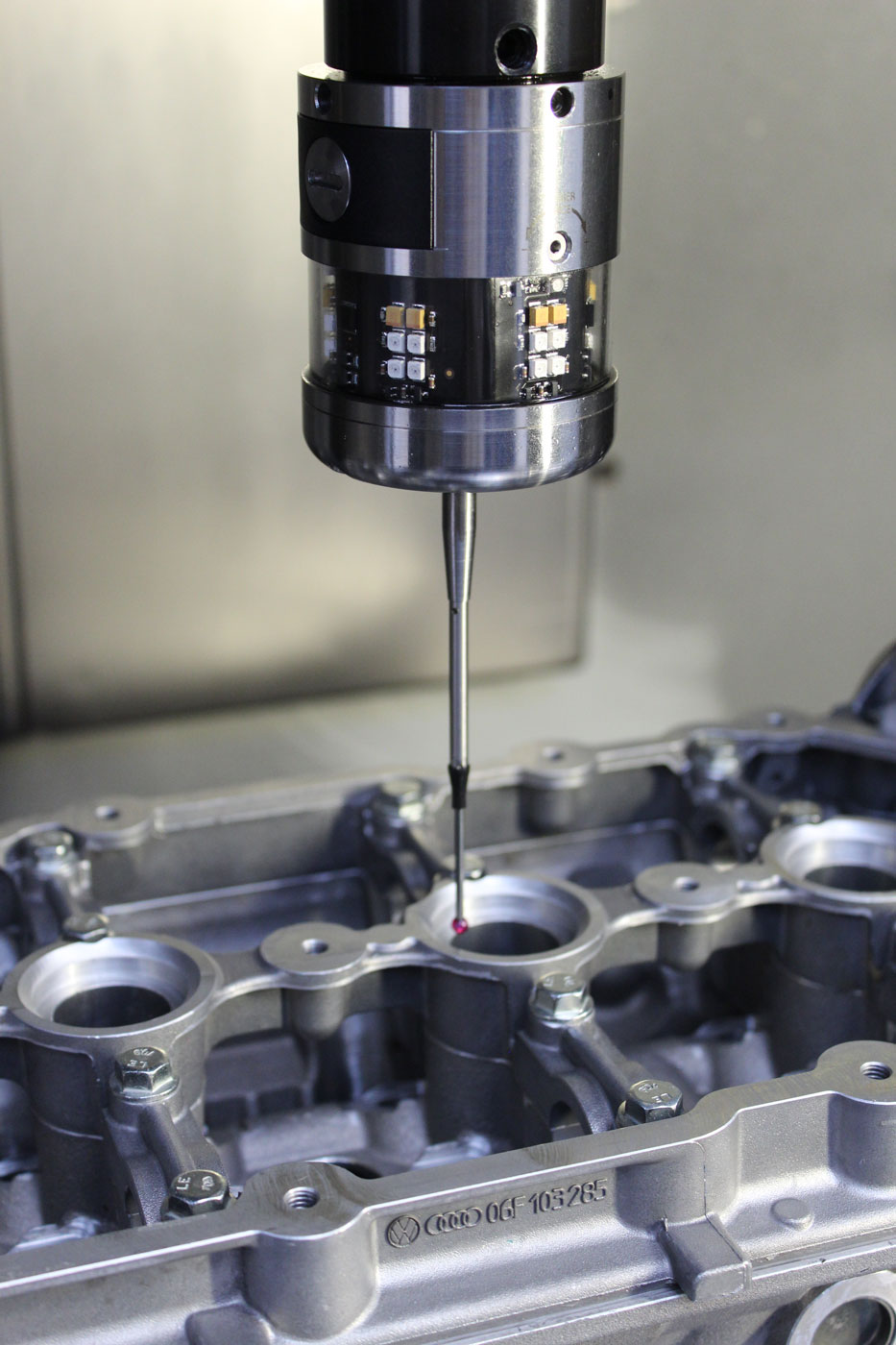
Spiess: Exactly, and that’s personally one of the most important things to me. Restoring classic race engines means working with designs conceived decades ago with slide rules and pure gut feeling. It demands reverence for the original, but also modern metrology to bring it back to life authentically while making it rock-solid for real-world use. That blend of workshop romance and precision craftsmanship – that’s pure motorsport DNA.
Preuß: And the future? Electrification, synthetic fuels – does that worry you or fire you up?
Spiess: It fires me up, honestly. The combustion engine won’t vanish overnight, but it is evolving – think e-fuels, synthetic, and sustainable fuels. That introduces entirely new demands on combustion, materials, and tolerances. And that’s exactly where we want to play at the front: not just preserving old engines, but proving that high-performance engines can perform brilliantly on tomorrow’s fuels too. Over fifty years of engine-building experience isn’t a museum piece; it’s a massive toolkit. And it’s precisely the combination of old hands and young guns on our team that lets us lead the way.
Preuß: Final question: What would your father say if he walked through the workshop today?
Spiess: (laughs) First off, he’d probably take a good sniff at some engine and grumble that something looked way too clean. But joking aside – I think he’d be proud that we kept his ambition without ever standing still. And maybe he’d even be glad that we’re finally starting to say out loud what we spent all those years achieving in silence. After all, that was his driving force. In every sense of the word.
Based in Ditzingen near Stuttgart, Spiess Motorenbau has stood for excellence in engine building and engineering for over 50 years – as the often invisible, yet indispensable heart of victorious race cars. From historic motorsport to modern high-performance engines geared toward evolving fuel technologies, propelled by a team driven by decades of experience and fresh ambition.
Jürgen Preuss, infact.digital
Copyright: © Siegfried Spiess Motorenbau GmbH
National Automobile Museum
SPECIAL EXHIBITION
“Rally Legends – A Journey Through Time on Tarmac, Gravel, and Snow” Running until 2027 at the National Automobile Museum. Don’t miss it!