
- The Power Pit
- Solitude Revival: The Interview
Solitude Revival: The Interview
From the dawn of motorsport until 1965, the Solitude near Stuttgart was one of Germany’s defining racetracks, and Solitude Revival e.V. has kept this story alive on the asphalt ever since. The next Revival will take place from July 16 to 18, 2027.
We talk about it with Wolfgang Ziegler, Chairman, who champions history and the preservation of automotive cultural heritage in the club, and Kay Rimmele, Vice Chairman, who is setting up the event for the future. Jürgen Preuß asks the questions for The Power Pit.
1903: A Hill Climb Sprint and the Birthplace of the Automobile
Jürgen: Wolfgang, the story of the Solitude races begins in 1903. What kind of start was that?
Wolfgang: A hill climb sprint, mainly for motorcycles, roughly four kilometres long, from west Stuttgart up to Solitude Castle. The climb was steep. Manufacturers like NSU and Adler entered machines, organized by regional cycling enthusiasts. We celebrated a hundred years of Solitude in 2003, which is why we trace it back to 1903. Some sources say 1904. It changes little about the story: people grasped early on that this hill was the ultimate test of what a vehicle could do.
TPP: Stuttgart and Württemberg are considered the birthplace of the automobile. What role did the region play when these initial races took place?
Wolfgang: A central one. In 1886, Carl Benz received his patent for the motor car in Mannheim, and that same year Gottlieb Daimler’s first motorized carriage drove in Cannstatt. Daimler-Motoren-Gesellschaft was established there in 1890, with Wilhelm Maybach developing its engines. Also in 1886, Robert Bosch opened his workshop for precision mechanics and electrical engineering in Stuttgart. Clustered around these names were workshops, suppliers, and craftsmen crafting parts that had never existed before. An industry grew out of that, shaping the region to this day. When the first races were run on the Solitude, the people on those machines were often the very ones who had helped build them.
TPP: What purpose did these races serve for manufacturers?
Wolfgang: As both test bench and showcase. Whatever made it up that hill and back down was much easier to sell. For them, Solitude was a home circuit right on their doorstep, in front of a crowd that truly knew their stuff.
1925: The First Circuit Race
TPP: In 1925, the hill climb evolved into a circuit race. What was that like?
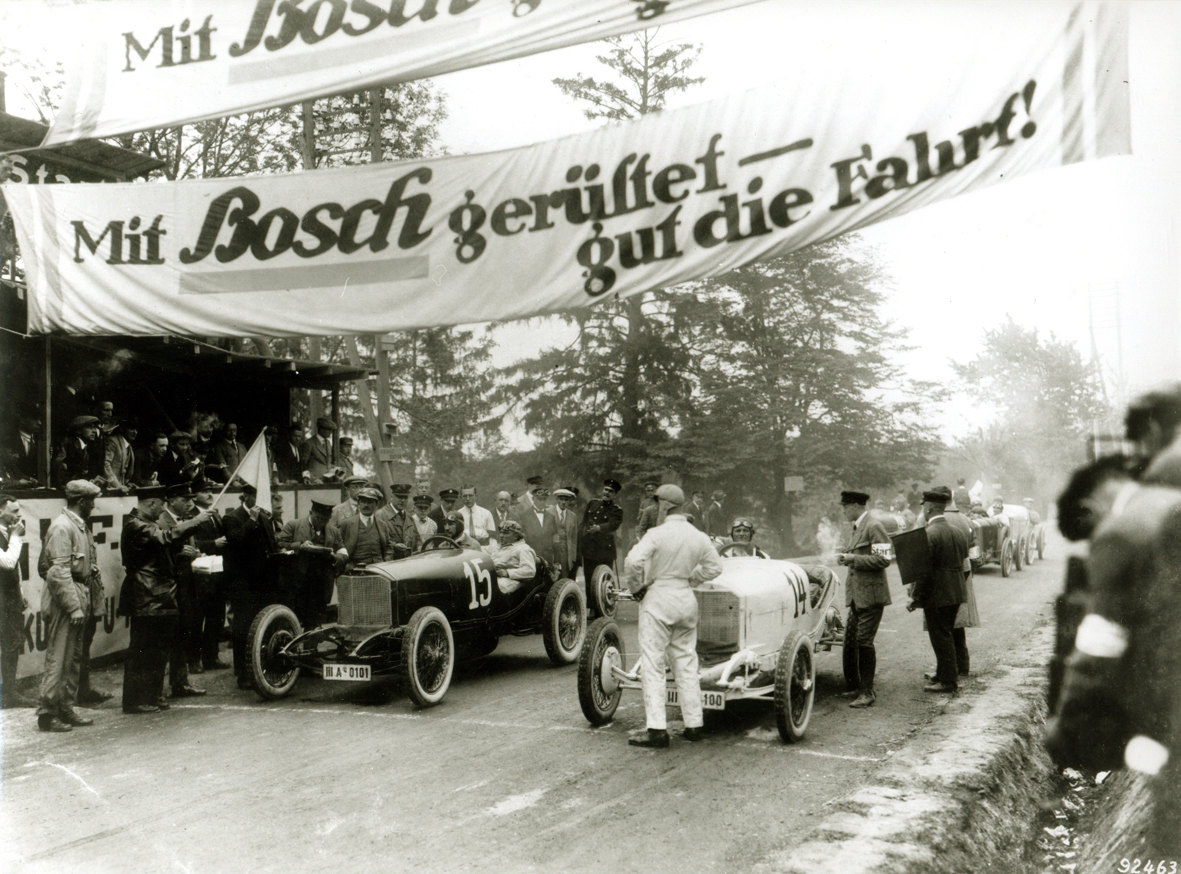
Wolfgang: The race was called “Rund um die Solitude” (Around the Solitude). The lap spanned a good 22 kilometres, starting and finishing at the castle. There were 28 corners and gradients of up to 15 percent. Even back then, people compared the circuit to Sicily’s Targa Florio. That speaks volumes about the challenge: drivers had no time to catch their breath, and cars were pushed to their limits along the entire stretch.
TPP: Where did engineering stand in the mid-1920s, and what did that mean for Stuttgart?
Wolfgang: The supercharged engine was the breakthrough innovation in racing car design. Mercedes developed it in competition, and it later transitioned into production models. A 1924 Mercedes Targa Florio race car lined up on the grid again at the 2024 Revival. For the region, this meant that whatever was engineered in Untertürkheim and by suppliers across the Stuttgart area faced its trial by fire on the Solitude. A year after the first circuit race, in 1926, Daimler and Benz merged to form Daimler-Benz AG. That anchored the brand firmly in Stuttgart for good.
TPP: Those early glory years were soon followed by a setback.
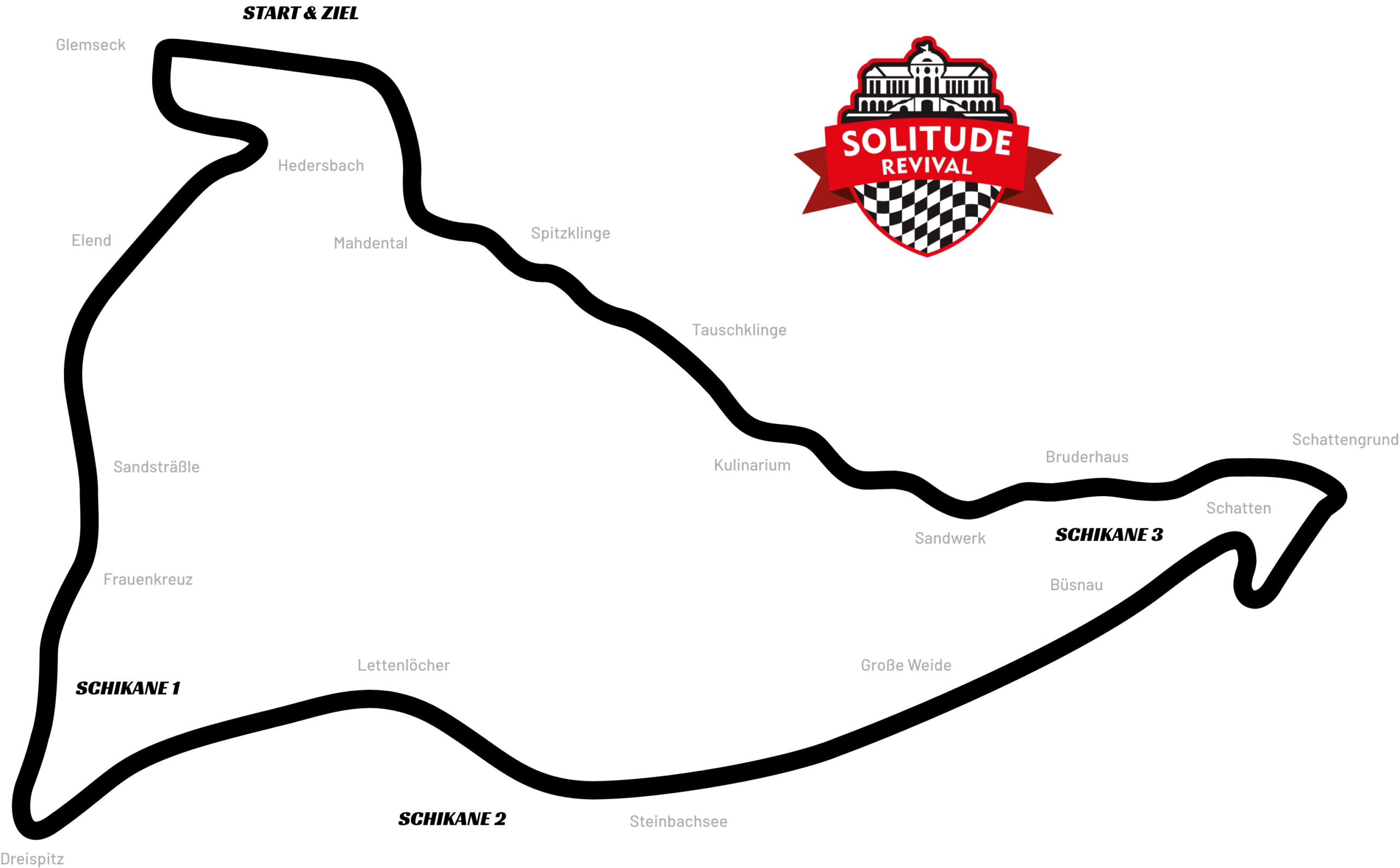
Wolfgang: Yes. In 1928, cars were pulled from the circuit for safety reasons, leaving only motorcycles to race until 1937. In 1931, the track was shortened to 19.9 kilometres, and 1935 brought the 11.5-kilometre layout through the Mahdental, starting and finishing at Glemseck. That remains the heart of the circuit we drive today. The final pre-war race was held in 1937.
Racing Cars, Motorcycles, and the Drivers of the Solitude
TPP: After the war, the Solitude experienced its golden era. How did the restart unfold?
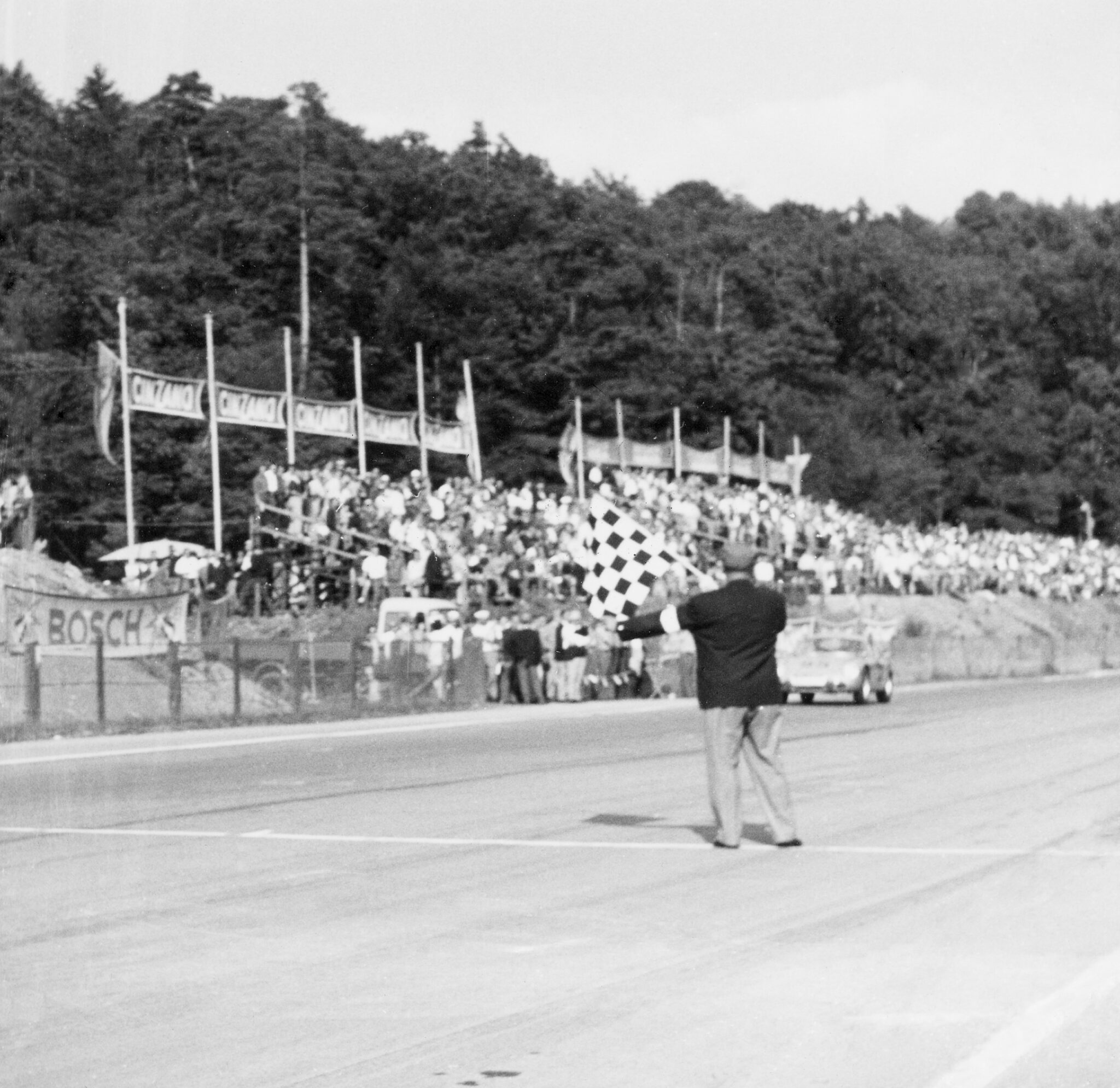
Wolfgang: On two wheels at first. The first post-war motorcycle race took place in 1949, followed by the German Grand Prix in 1950, and by 1952 the Solitude was part of the Motorcycle World Championship. Historical sources report spectator numbers soaring past 400,000. The roads around the circuit were packed with passionate Stuttgart fans.
TPP: And what about the cars?
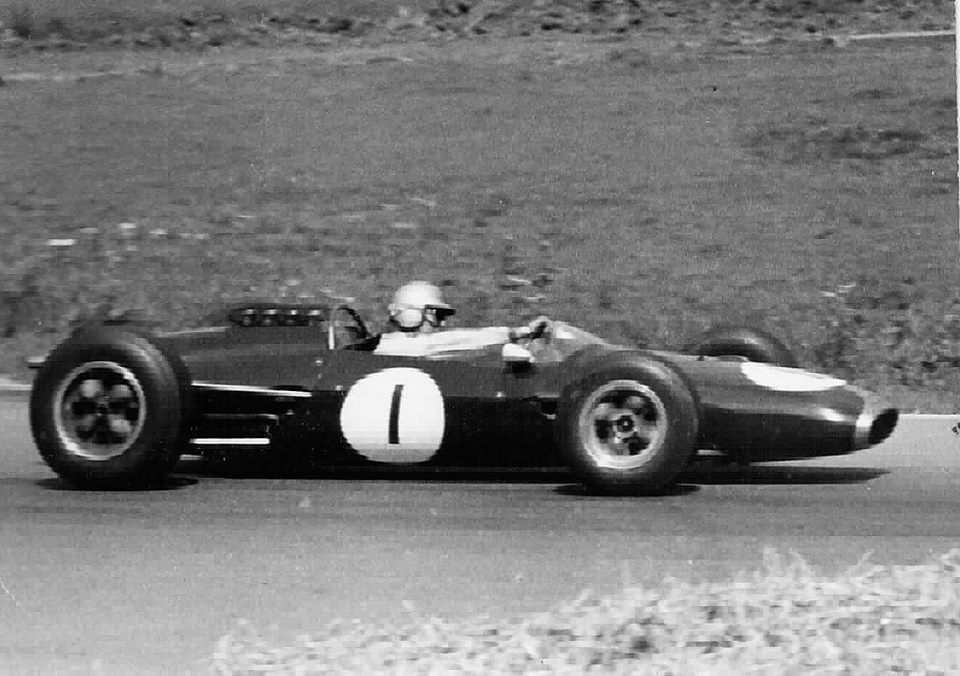
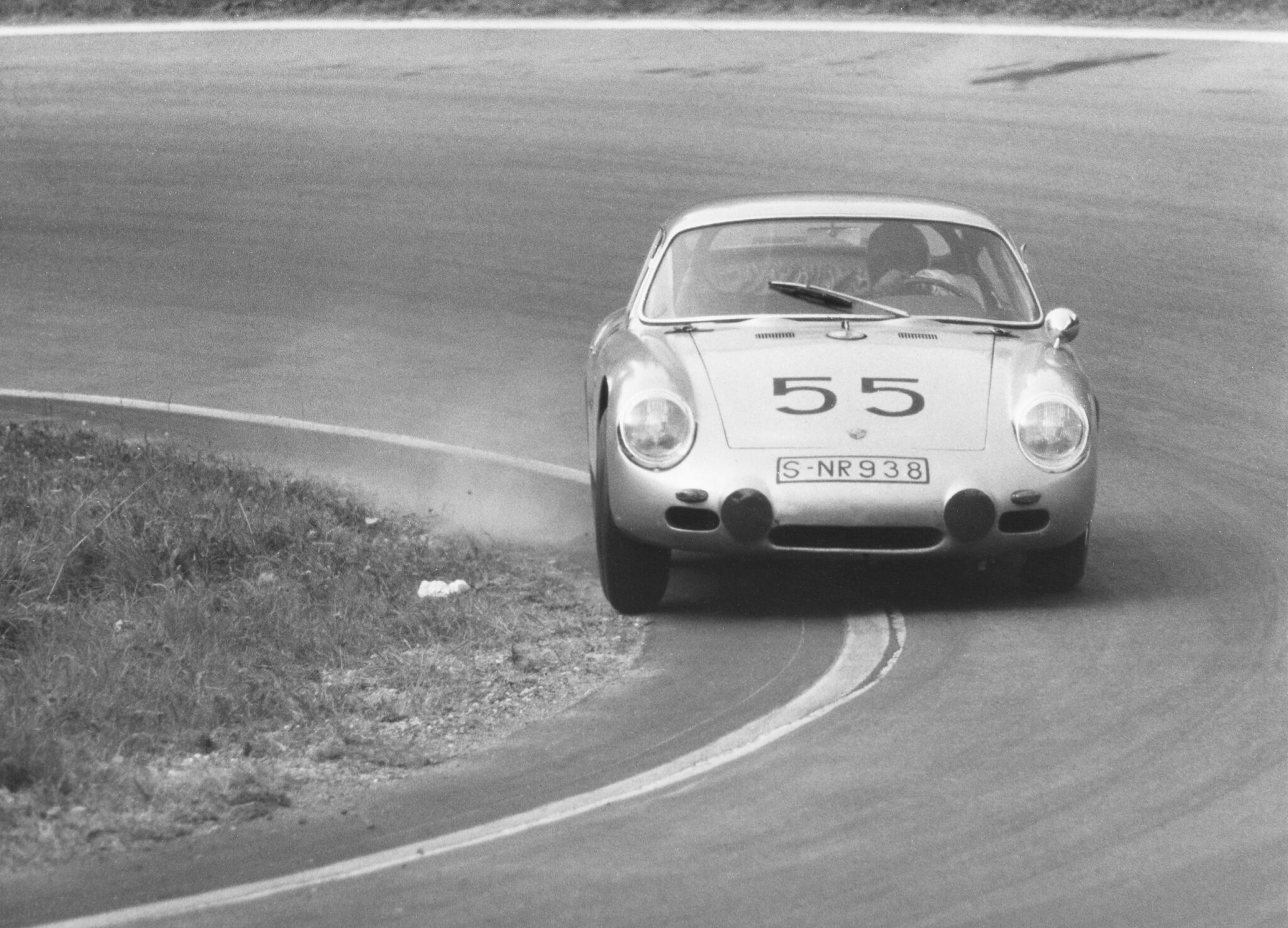
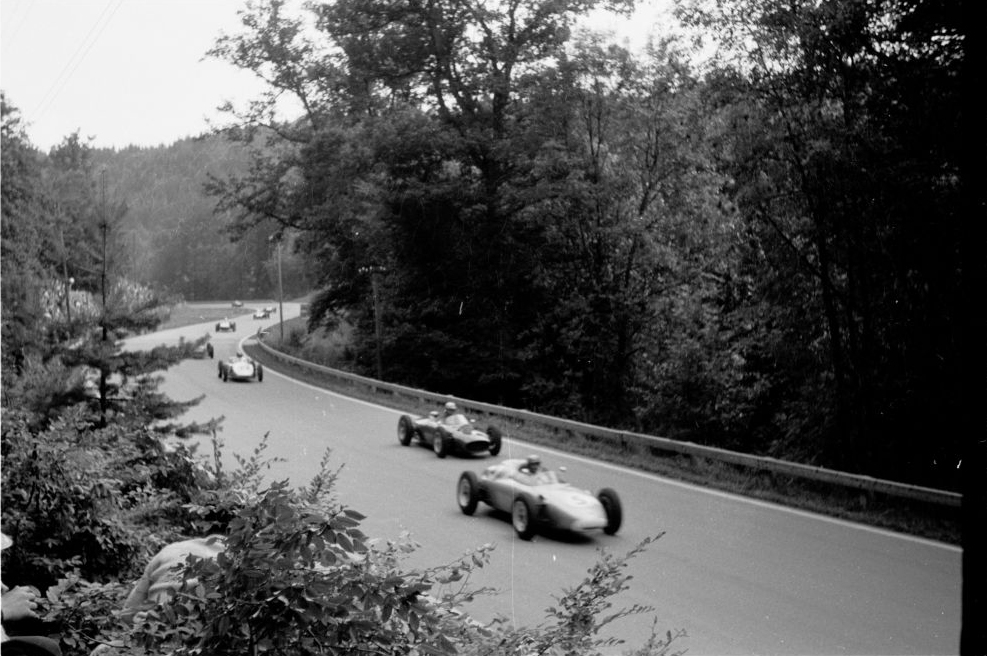
Wolfgang: They returned in 1956 once the track was widened to twelve metres, as required by the FIA. In 1960 came the Formula 2 duel that many still talk about: Wolfgang Graf Berghe von Trips in the Ferrari 156 against Hans Herrmann in the Porsche 718. Herrmann let Trips pass on the final lap to avoid risking a dangerous move. From 1961 to 1964, non-championship Formula 1 races were run here. The grid featured Jim Clark, Dan Gurney, John Surtees, Jack Brabham, Innes Ireland, and of course Herrmann. Jim Clark still holds the lap record from 1963.
TPP: And on two wheels?
Wolfgang: In 1964, all six World Championship classes competed here, featuring legends like Mike Hailwood, Jim Redman, Phil Read, and Giacomo Agostini. Countless lap records tumbled that year.
TPP: The club’s founding circle includes drivers who actually raced here. Who were they?
Wolfgang: Eight founding members: Hans Herrmann, Herbert Linge, Eberhard Mahle, Paul Ernst Strähle, Paul Pietsch, Eugen Böhringer, Walter Schock, and Manfred von Brauchitsch. They won races at Solitude and remained dedicated to the Revival for the rest of their lives. Hans Herrmann, born in Stuttgart in 1928, claimed victory at Sebring and the Targa Florio in 1960, became European Formula 2 Champion, and delivered Porsche’s first overall win at Le Mans in 1970. Herbert Linge, born in Weissach in 1928, joined Porsche as a mechanic in 1949. In 1954, he won a class at the Mille Miglia alongside Herrmann. Both know the circuit from when races were decided by fractions of a second. Eberhard Mahle entered 210 races across multiple classes and racked up 150 wins.
TPP: It all came to an end in 1965. Why?
Wolfgang: The track was deemed too dangerous: tight bends, spectators lined right up against the asphalt, and virtually no run-off zones. Sixteen drivers lost their lives there—two in car racing and 14 in motorcycle racing. Around 200,000 spectators attended the final race in 1965. That is part of the story, and we don’t hide it. In 1972, Herbert Linge founded the safety crew for Germany’s supreme motorsport commission (ONS). For me, that stands as one of the most vital legacies of those years.
TPP: Kay, what does the starting grid look like today?
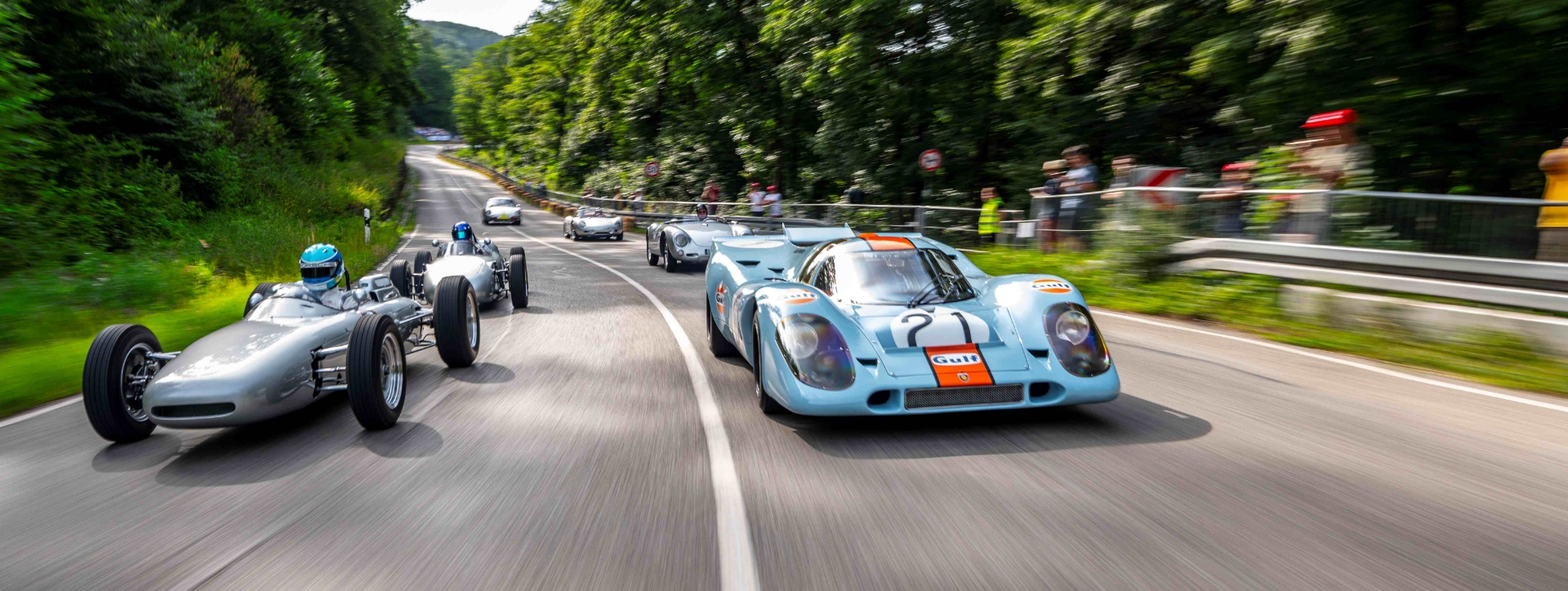
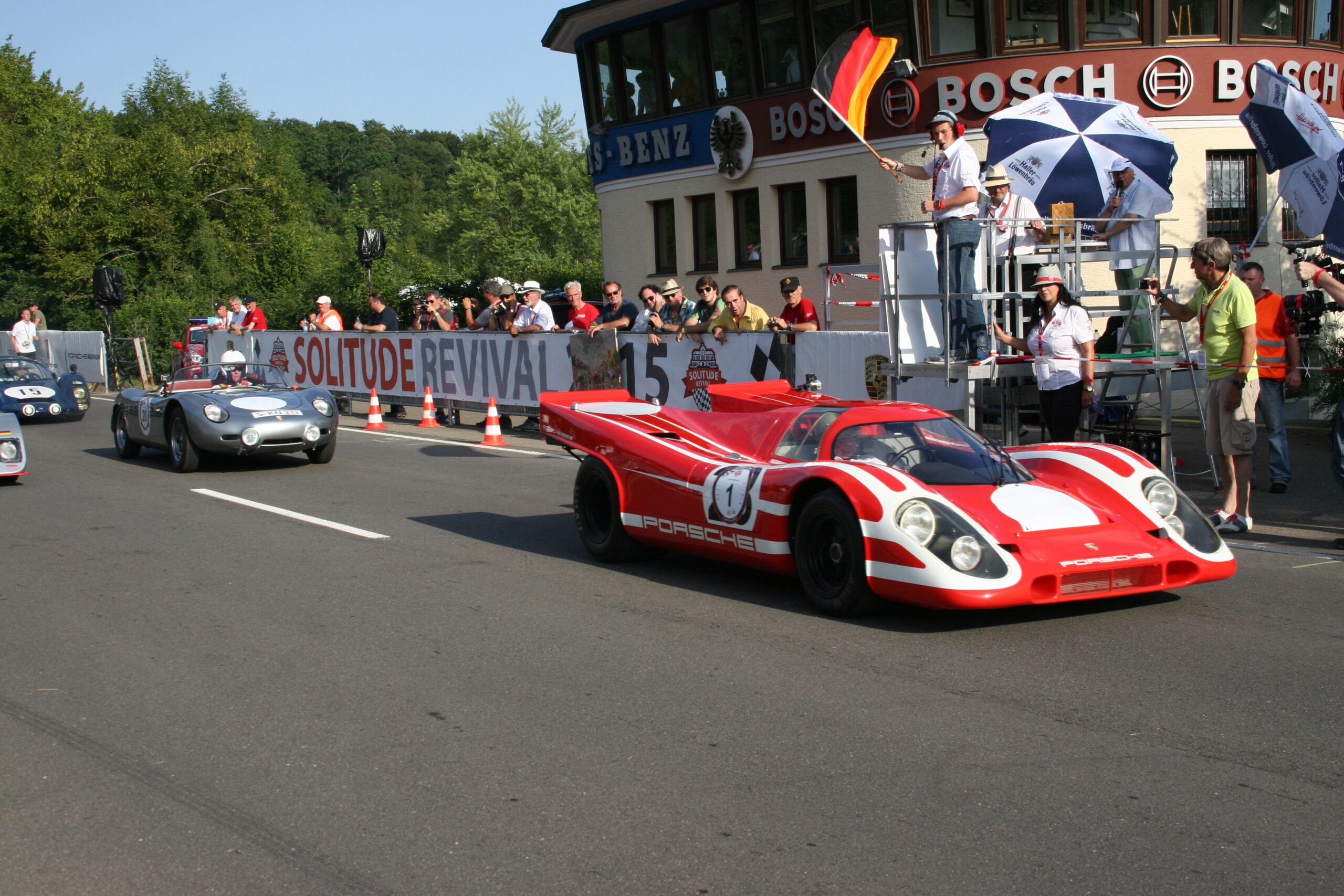
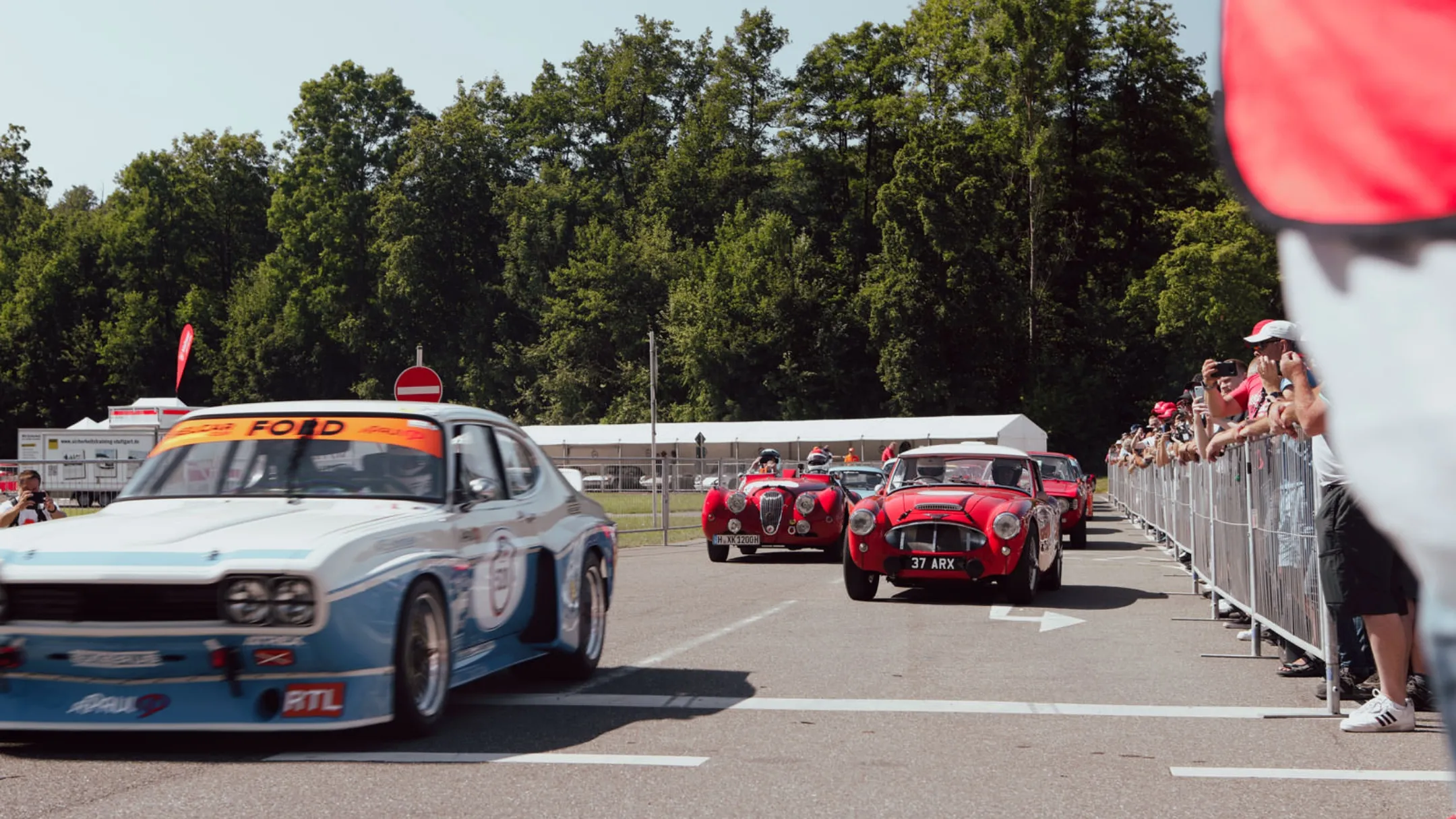
Kay: The 2024 Revival drew around 400 entries, ranging from pre-war machines to modern race cars across two, three, and four wheels. Porsche brought a 550 Spyder in honour of Herbert Linge, among other gems. The district administrator rode along in the ONS safety car, a Porsche 914/6 GT that Linge himself once drove. Moments like these prove that history isn’t just recounted here—it’s lived.
The Founding of Solitude Revival e.V.
TPP: Wolfgang, how did the club come about?
Wolfgang: The drivers who had battled here in competition refused to let the Solitude exist solely in history books. In 2003, for the centenary, historic machines and racing legends reunited. Announced guests included Hans Herrmann, Dan Gurney, Phil Read, Jim Redman, and Richard Attwood. Out of that sprang the idea of permanently bringing the circuit back to life—and with our founding members, we had people who knew precisely what it felt like to push hard on this track.
TPP: What is your primary mission?
Wolfgang: We want to preserve automotive cultural heritage. In real terms, that means documenting and passing on the history of the Solitude, and running these machines where they belong: out on the track, not locked away in collections. A car that sits silently in a museum loses part of its soul. We want people to hear it, smell it, and see it just as it was driven back in the day.
TPP: Who drives the club forward?
Wolfgang: The members, purely voluntarily. We’re always looking for helpers: marshals, hands for setup and teardown, social media support, as well as food trucks and partners, both small and large. Anyone eager to contribute with positive energy is warmly welcome.
Partners, Sponsors, and Cultural Value
TPP: Porsche and Mercedes-Benz have supported the event for years, alongside the ADAC and other partners. What does this backing mean to you?
Wolfgang: It’s the cornerstone. Mercedes-Benz and Porsche roll out historic cars from their collections and let them run. In 2024, Porsche brought seven sports cars, including the 550 Spyder, celebrating 50 years of the Turbo. Mercedes-Benz Classic had its own dedicated programme. With the ADAC, things come full circle: the club traces its roots to the German Motorcyclists’ Association founded in Stuttgart in 1903, which became the ADAC in 1911. The link to Solitude is older than any Revival. Add to that numerous other partners and supporters.
TPP: Kay, what does it take to make such a weekend financially viable?
Kay: A racing event on closed public roads requires permits, safety protocols, track construction, and an army of volunteers. You can only shoulder that with a broad foundation: industry partners, ticket sales, public funding from the city and district, and volunteer dedication. Our finances are tight; we’ve been open about that. My role is to spread the event across more shoulders and keep costs in check to secure its long-term future.
TPP: What cultural value does the Revival bring?
Wolfgang: We showcase cultural heritage in motion. In 2024, around 10,000 visitors attended according to organizers, despite torrential rain on Saturday. They stand by the track, hearing engines roar in a way no one has experienced for decades. At the same time, contemporary witnesses connect with younger enthusiasts who know these cars only from books. Technical knowledge, craftsmanship, and motorsport lore are passed down here in a way no book could ever match.
Environmental Responsibility: Climate-Neutral Racing
TPP: Historic racing cars and environmental protection—do they really go together?
Kay: We take this seriously. The event is made climate-neutral through sustainable fuels and carbon offsetting. Wherever technically possible, cars run on synthetic fuels, and we offset remaining emissions through an energy supplier. We saw a prime example in 2024: Porsche ran three cars on eFuels—the 550 Spyder, the 911 Carrera 2 Cup, and a 911 GT3 Rallye.
TPP: Wolfgang, how do you see this as the keeper of history?
Wolfgang: Preservation also means giving these vehicles a future. If a 60-year-old race car can run on synthetic fuels, that is fantastic news for the scene. And the cars don’t even need to be modified.
Outlook: Solitude Revival 2027
TPP: Kay, the 2026 Revival was cancelled. What’s the plan going forward?
Kay: We wanted to shift the date from July to September, but couldn’t find a slot that worked for sponsors, authorities, and all stakeholders involved. Costs were another factor. Now the date is locked in: Solitude Revival 2027 will take place from July 16 to 18. Entries should open online in late 2026. Both the Porsche and Mercedes-Benz museums signaled early on that they will actively support the 2027 event.
TPP: Where does the Solitude stand among legendary racetracks?
Kay: It ranks among the world’s most beautiful natural road circuits, on par with the Targa Florio. Drivers, spectators, and sponsors view the Solitude Revival as a fixed highlight on their calendar. Eleven kilometres through forests and rolling hills, right on the doorstep of Stuttgart and Leonberg: you simply cannot replicate that.
TPP: Who will carry the Revival into the coming years?
Kay: The Solitude Revival e.V. club has many young members. They get hands-on, bring fresh ideas, and are the reason I have zero worries about our future. There is huge enthusiasm in the club for exploring new formats. We’re stepping boldly into tomorrow.
TPP: In closing: what links the Solitude of 1903 to the Solitude of 2027?
Kay: The automobile was born in Stuttgart and remains woven into this city’s fabric. The Solitude Revival connects the myth of the Solitude race with the future of mobility.
Wolfgang: I second that. When you know this track’s history, you drive it differently. We invite everyone who wants to be part of it—as a spectator, driver, or volunteer.
Conclusion
The story of the Solitude races began in Stuttgart, and it’s far from finished. Wolfgang ensures it won’t be forgotten. Kay ensures it can keep running. Throughout our conversation, it was obvious just how much heritage, volunteer passion from Solitude Revival e.V. and its members, and sheer dedication goes into every single one of these weekends.
On behalf of The Power Pit, I want to thank them both for their time and candour. For the Solitude Revival from July 16 to 18, 2027, I wish them a phenomenal event: a packed starting grid, clear skies over the Mahdental, roaring crowds, and engine notes that echo long after the chequered flag. We can’t wait.
Jürgen Preuß, Editorial Team, The Power Pit