
- The Power Pit
- Kaffeemaschine Motorcycles
Kaffeemaschine Motorcycles
Espresso, Iron, Italophilia. Visiting the best “Kaffeemaschine” in the world
The Power Pit meets Axel Budde, the man who transforms old Moto Guzzis into timeless riding machines. A conversation about poor SEO decisions, longing for Italy from Hamburg’s harbor, and why “light” is the hardest word in the entire vocabulary.
By Jürgen Preuß
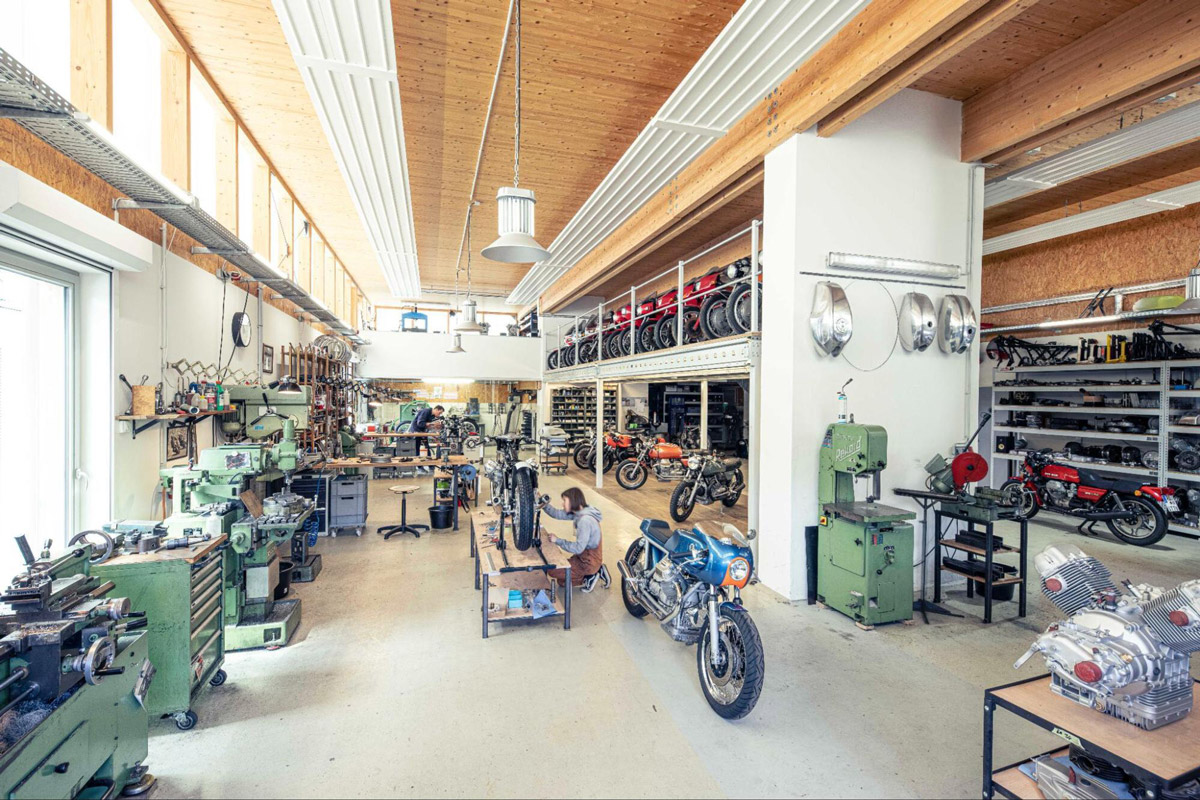
The Power Pit: Axel, let’s start at the beginning. “Kaffeemaschine.” Honestly, for Google searches, that’s not exactly an optimal choice. Who searches for “Kaffeemaschine” and ends up with motorcycles instead of capsule machines?
Axel Budde: (laughs) Yes, thank you, I hear that often. Honestly, when I founded the company, I didn’t think about SEO for a second; it only really became popular later. The name is actually derived from the Café Racer, and Guzzis were simply perfectly suited for Café Racers. I was and still am passionate about racing; this whole Café Racer idea – minimalist, fast, uncompromisingly designed for the track – that was always the real fascination for me. So the name was just there; it felt right. And let’s be honest, once you’ve clicked through, you won’t forget it. In the end, that’s worth more than first place for “best automatic coffee machine 2026.”
The Power Pit: At least it wasn’t confused with a thousand other custom shops that
all have something with “Speed,” “Iron,” or “Garage” in their name.
Axel Budde: Exactly. Better to be linked incorrectly once than to be interchangeable a hundred times.
The Power Pit: Let’s stick with Italy, without any espresso puns. Why Moto Guzzi of all brands? Where does this enthusiasm for Italian culture, for the design, come from?
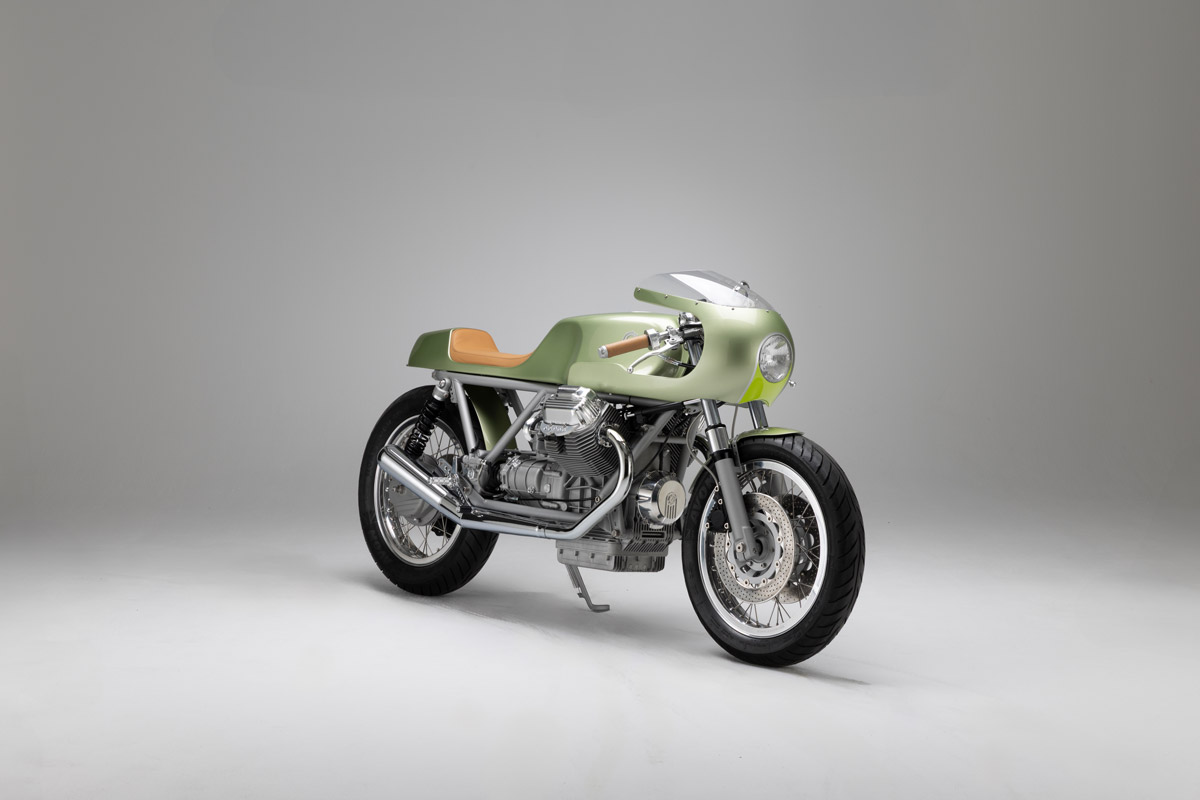
Axel Budde: It’s that mix you don’t find anywhere else. Italians don’t just build things so they work; they build them to have an attitude. A Guzzi is structurally stubborn, almost obstinate: the longitudinal engine, the cardan shaft, this whole layout is special. But precisely from this stubbornness arises a character that you immediately recognize, with your eyes closed by the sound. For me, that’s real design: not decoration, but an honest technical decision that also happens to look beautiful in the end.
The Power Pit: Are there any Italian designers who serve as role models for you?
Axel Budde: I’m less the type to focus on a single big name. I’m more interested in this whole Italian school of reduction, this sense of when a component is finished, not because you can’t add anything more, but because you can’t take anything more away. This runs like a common thread through Italian automotive and motorcycle history, from the great coachbuilders to the Guzzi designers who worked in the sixties and seventies. This attitude is my real role model, more than a single signature.
The Power Pit: And then you build this pure Italian passion in Hamburg, probably the maximum conceivable distance one can have from Italy in Germany.
Axel Budde: (grins) You can hardly go further north, that’s true. But maybe that’s precisely the point. If you’re sitting right on Lake Garda, Italy is everyday life. Up here, between harbor cranes and North Sea weather, Italy becomes a longing. And more interesting things arise from longing than from everyday life. Besides: good coffee can be brewed anywhere if you have the right machine.
The Power Pit: Let’s talk about technology. Your conversions involve an incredible amount of development work in details that aren’t even visible at first glance. Sleek, light, a “riding machine” instead of a show bike, a riding experience that almost seems aerodynamically elegant. How are these machines created? Do you sit down and design them freely, or do customers come to you with an idea and you develop it together?
Axel Budde: Both, but in the end, the line always decides, not compromise. A customer comes with a longing, with a base, sometimes with a photo they’ve carried on their phone for years. From that, we develop a concept together. But the actual shaping, the interplay of tank, seat, frame line, that happens in my head, over weeks, sometimes months, before any sheet metal is cut. Light and sleek isn’t a style gimmick; it’s a technical decision. Every gram you leave out is a gram you don’t have to accelerate, brake, or carry around a corner later. You feel that immediately on the road: the machines feel like they carry themselves.
The Power Pit: Speaking of beautiful: With “Kaffeemaschine,” it doesn’t stop at the motorcycles themselves. The campaigns for machines 49 and 50 were visually and in video absolutely on a different level than what you usually see in the motorcycle industry. Were there any awards for that?
Axel Budde: We didn’t get a classic award with a trophy for it; that was never the goal. But the real award for me was how the campaign was read and shared: by people who otherwise have nothing to do with motorcycles. When a photographer or a creative from a completely different industry calls and says “that’s the most beautiful thing I’ve seen this season,” that’s worth more to me than a medal. With the visual language, we never thought “how do you do this in the motorcycle world,” but rather “how would you do this for a watch or fashion house.” This distance from our own industry was, I believe, precisely what made the campaign stand out.
The Power Pit: The consistent further development of this is Machine 51: “Bonanza.” Here, the lightness of being almost becomes the program. Whoever sees the machine practically sees the sea in the background, the beach, the sun. For me, one of the most beautiful conversions ever, precisely because the base, a V7, is actually considered rather down-to-earth, almost sluggish. How did the Bonanza come about?
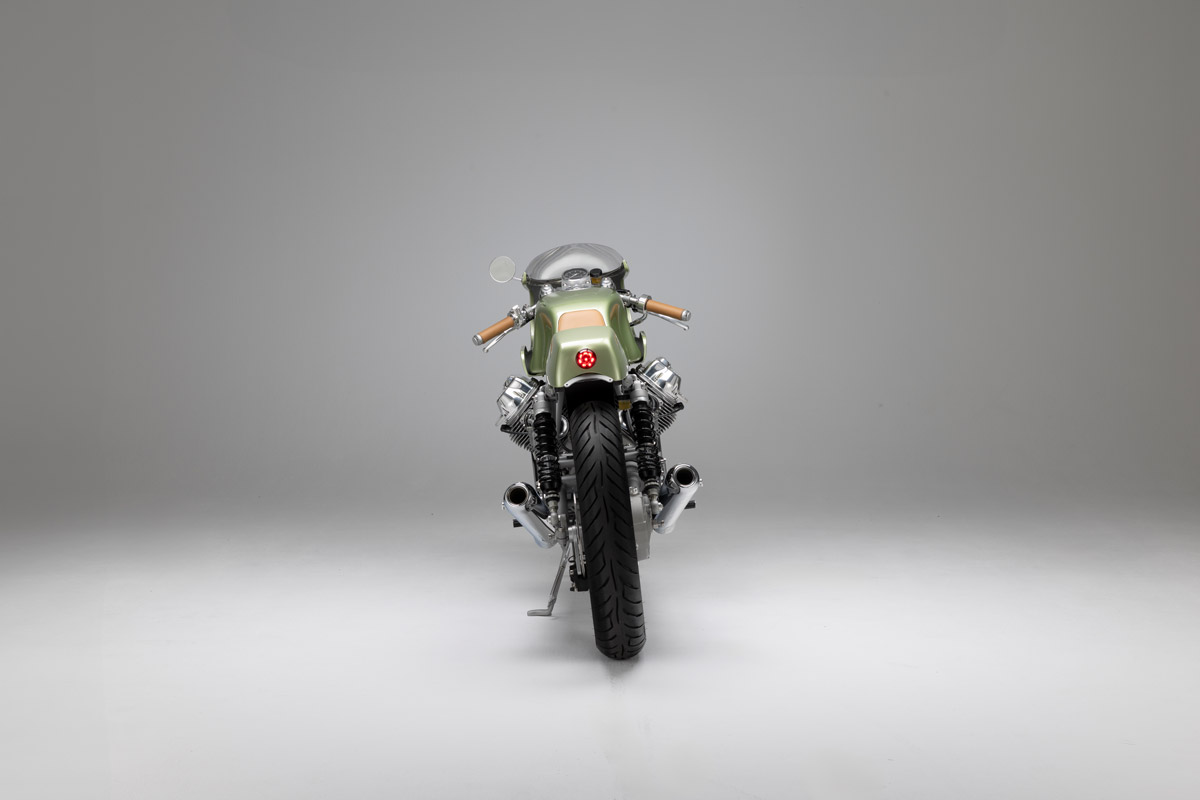
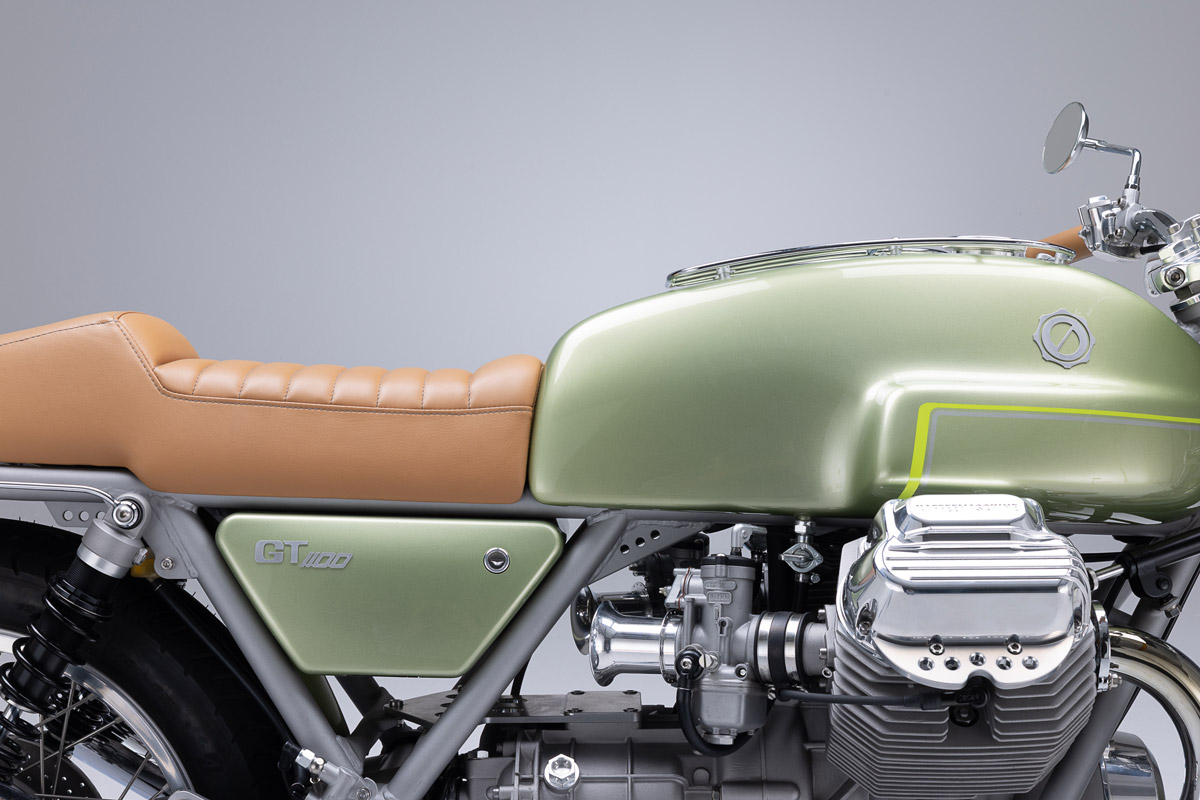
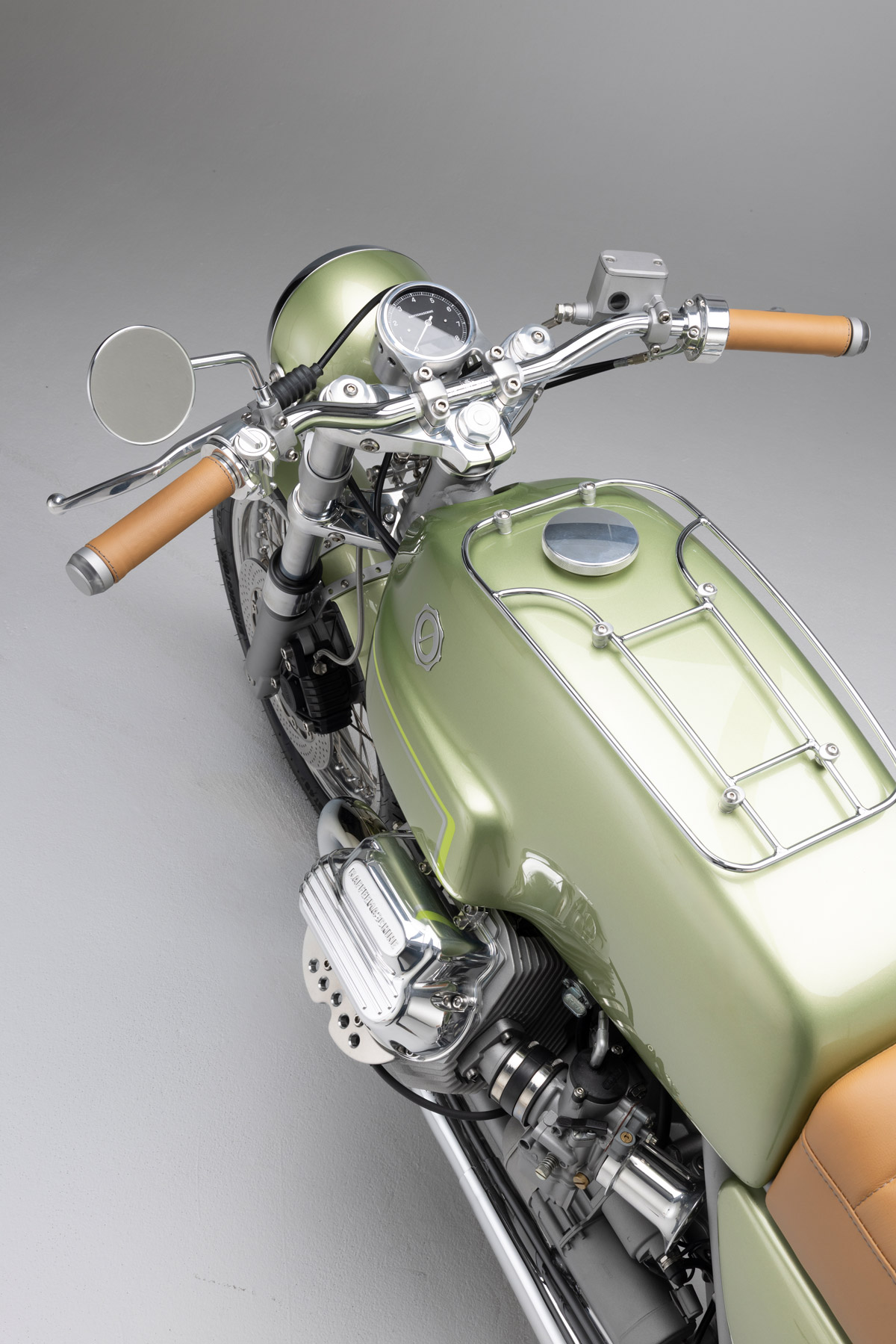
Axel Budde: The V7 is indeed an exciting starting point because it’s inherently rather comfortable, almost staid. That’s exactly where the appeal lay: to show that lightness isn’t a question of displacement or weight on paper, but a question of proportion and attitude. With the Bonanza, we consistently removed everything that didn’t fit the idea of “riding, sun, salt air on your face.” 850 cubic centimeters, 70 hp, 159 kilograms – that sounds almost unspectacular on the spec sheet. But when you sit on it, you immediately feel that every detail was designed for exactly one feeling.
The Power Pit: What’s next? What else can we expect from you?
Axel Budde: We’re staying true to our line: small numbers, great care, no compromises on series production. There will be more unique pieces, each with its own story and its own base, again with the claim that you recognize them by their sound before you see them. I won’t reveal more yet, but this much: it remains Italian at heart and North German in the workshop.
The Power Pit: Axel, thank you very much for the espresso, your time, and for showing us that even from Hamburg, you can tell the most beautiful Italian stories.
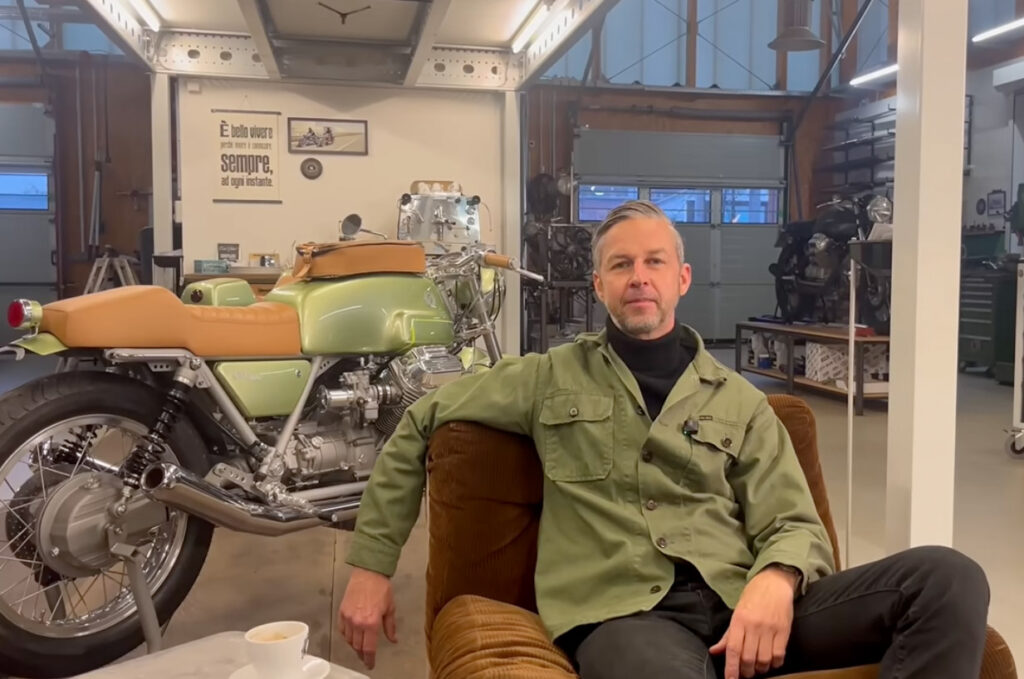
Axel Budde: My pleasure. And remember: the name says it all. Come by, the cappuccino from the ’64 is better than any marketing claim.
Kaffeemaschine Motorcycles GmbH builds handcrafted unique pieces based on classic Moto Guzzis in
Hamburg-Wilhelmsburg.
Jürgen Preuss, infact.digital
Copyright: © Kaffeemaschine Motorcycles GmbH