
- The Power Pit
- Jaguar: (not) everybody’s darling
Jaguar: (not) everybody’s darling
The automotive world has been arguing about Jaguar’s new face since 2024. Now Annie Leibovitz has photographed the Type 01, and the voices are quieting down. Time for new information.
Deliberately provocative
Jaguar started out building sidecars and hustled its way forward from there. In 1948, the brand unveiled a sports car with an engine unusually advanced for a production vehicle: dual overhead camshafts, 120 mph top speed—hence the name XK120. It was originally supposed to be a limited run. Then the orders started rolling in.
With the C-Type, Jaguar won Le Mans on its very first attempt, returning two years later equipped with disc brakes, which went on to become standard across production models. In 1961 came the E-Type, which the Museum of Modern Art added to its design collection in 1996. Enzo Ferrari reportedly called it the most beautiful car in the world. There’s no documented proof of that, but the story is simply too good not to tell.
Everybody’s darling doesn’t build an engine that didn’t exist yet. Jaguar never wanted to be that anyway.
Even the boss’s daughter had to beg for brakes
Pat Appleyard, daughter of the company founder, won the Alpine Rally three times in the 1950s as co-driver to her husband in an XK120. Still, the two never received a factory-backed car; they bought it themselves. Reflecting on the temperamental brakes of the era, she later said: “We prayed for another Jaguar to crash so we could pinch their brakes.”
Someone who says that truly loves the brand. Even back then, it was never everybody’s darling.
Everybody’s darling? Certainly not.
A video without a car
November 2024. Jaguar unveils its new brand identity, and there’s no car in the video. The automotive world cracks up laughing. In December, the Type 00 concept follows in Miami, and the internet gets even louder. When the Type 01 finally arrives, it generates headlines you couldn’t buy for any ad campaign.
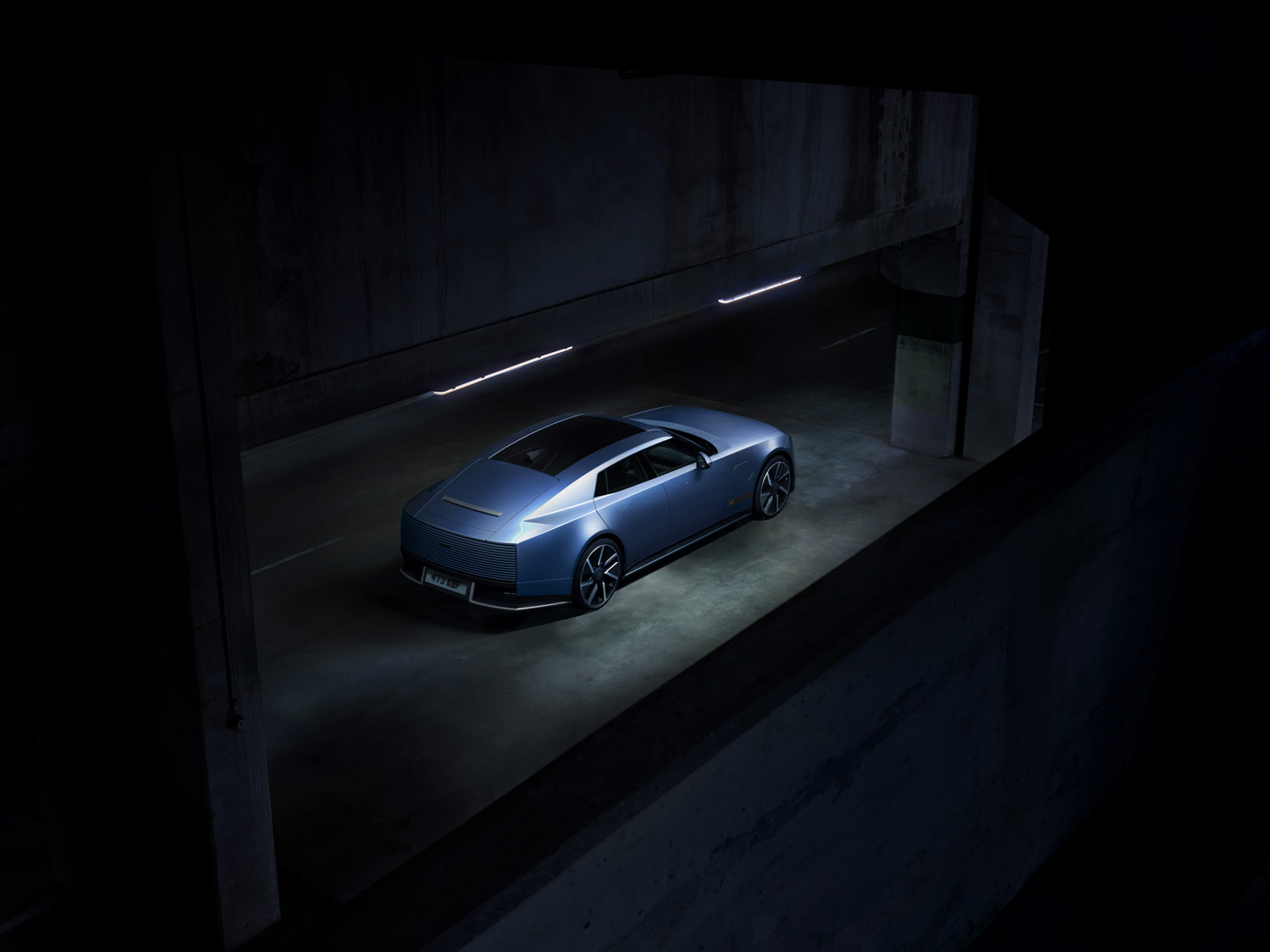
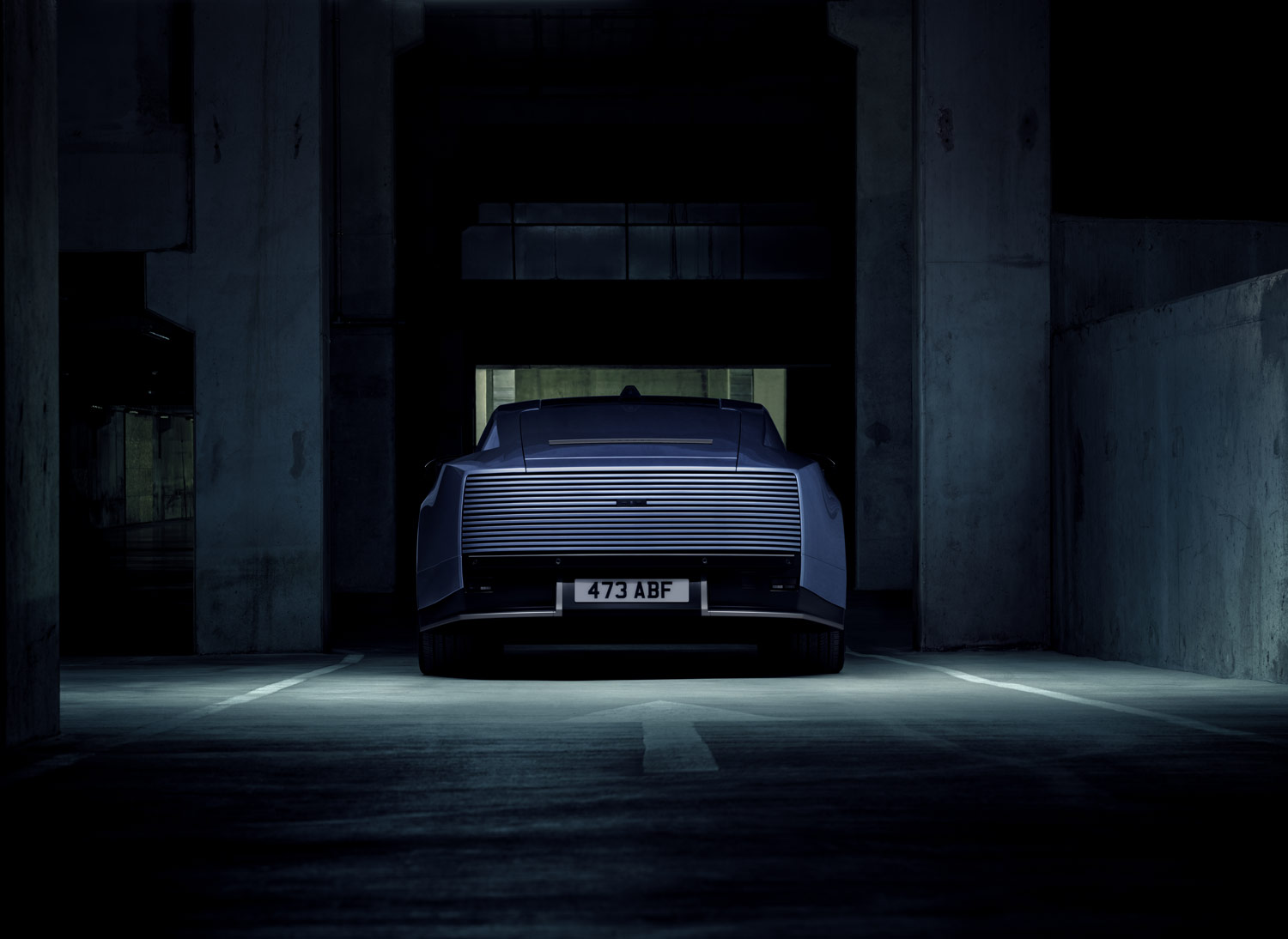
Yet the Type 01 embodies exactly what Jaguar has always done. It delivers 1,015 hp and hits 60 mph in 3.1 seconds. It boasts a drag coefficient of 0.23, and over 150 prototypes went through rigorous testing. The production car was completed first; the concept was derived from it afterward. People were arguing over a car most had never even seen in the metal.
Some of the criticism is understandable. The interior is packed with screens, space is tight, and Top Gear calls the car selfish for that reason. But when you take a big leap, the landing isn’t always graceful. You only remain everybody’s darling if you stand still.
The outcry fades
A loud outcry fades fast, and that’s exactly what’s happening now. Since the Type 01 hit actual streets, the commentary has shifted. Alongside “disaster,” you now also read “showstopper.” It continues to polarize. That was entirely the point.
For years, many automakers have searched for a distinctive face, only to deliver variations of the familiar. Jaguar chose the uncomfortable route. Next to the Type 01, quite a few established luxury sedans suddenly look rather dated. Taste changes—that’s the only certainty here. Whether the car sells is up to the market. My bet is on courage.
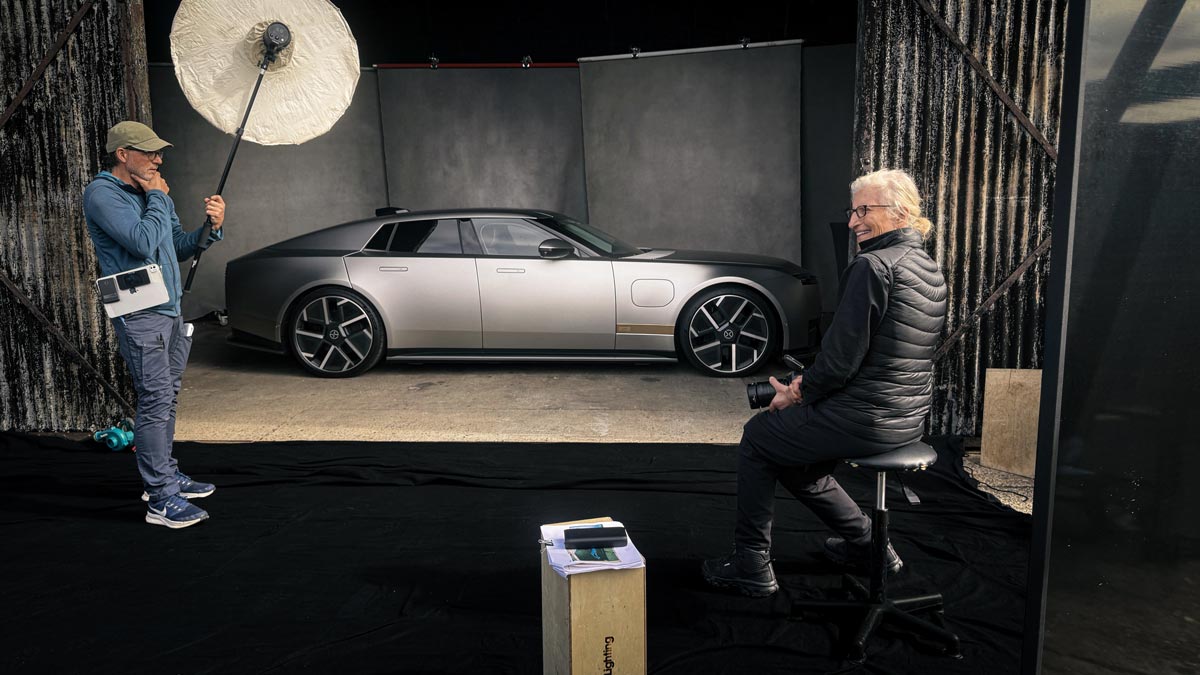
A photoshoot with purpose
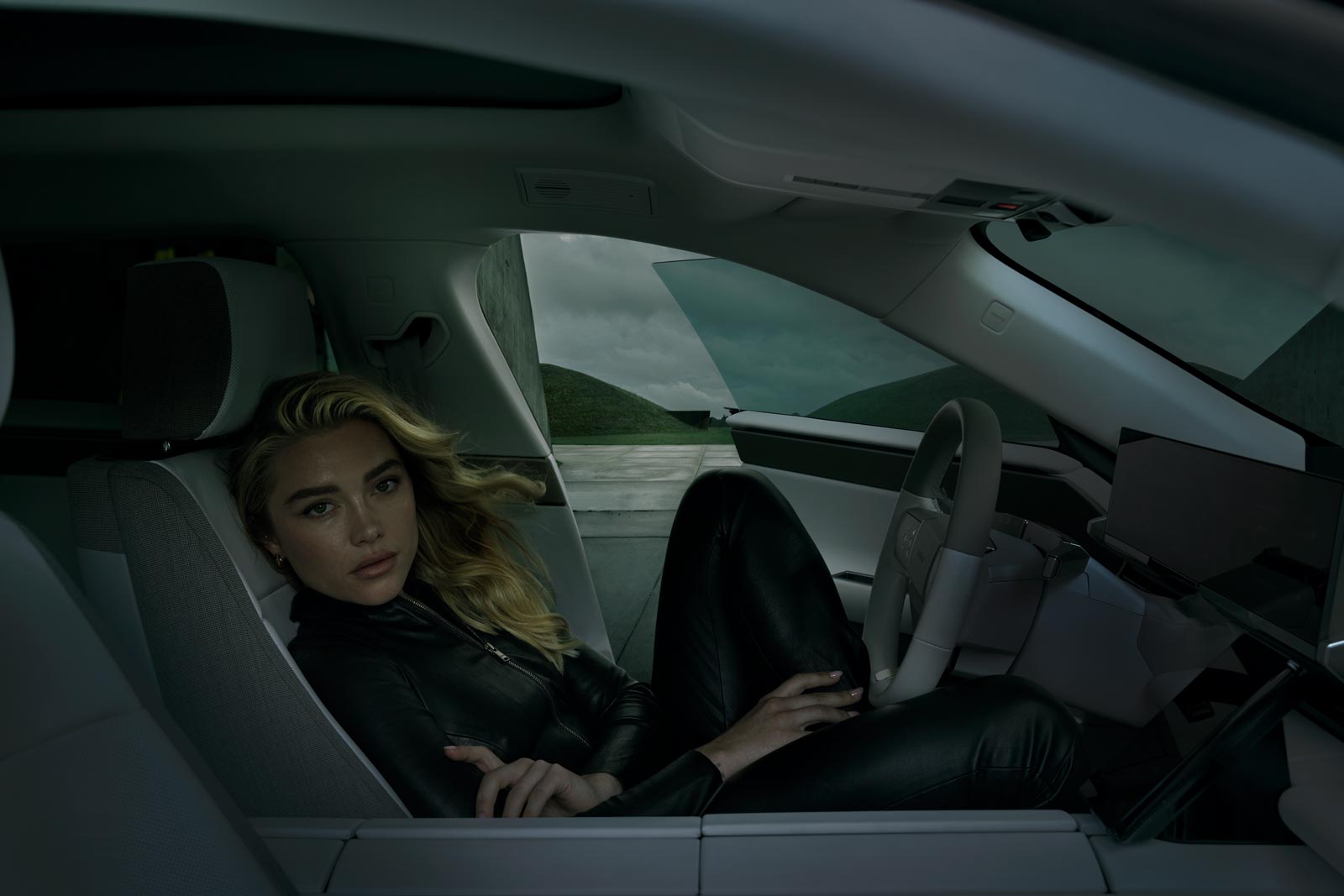
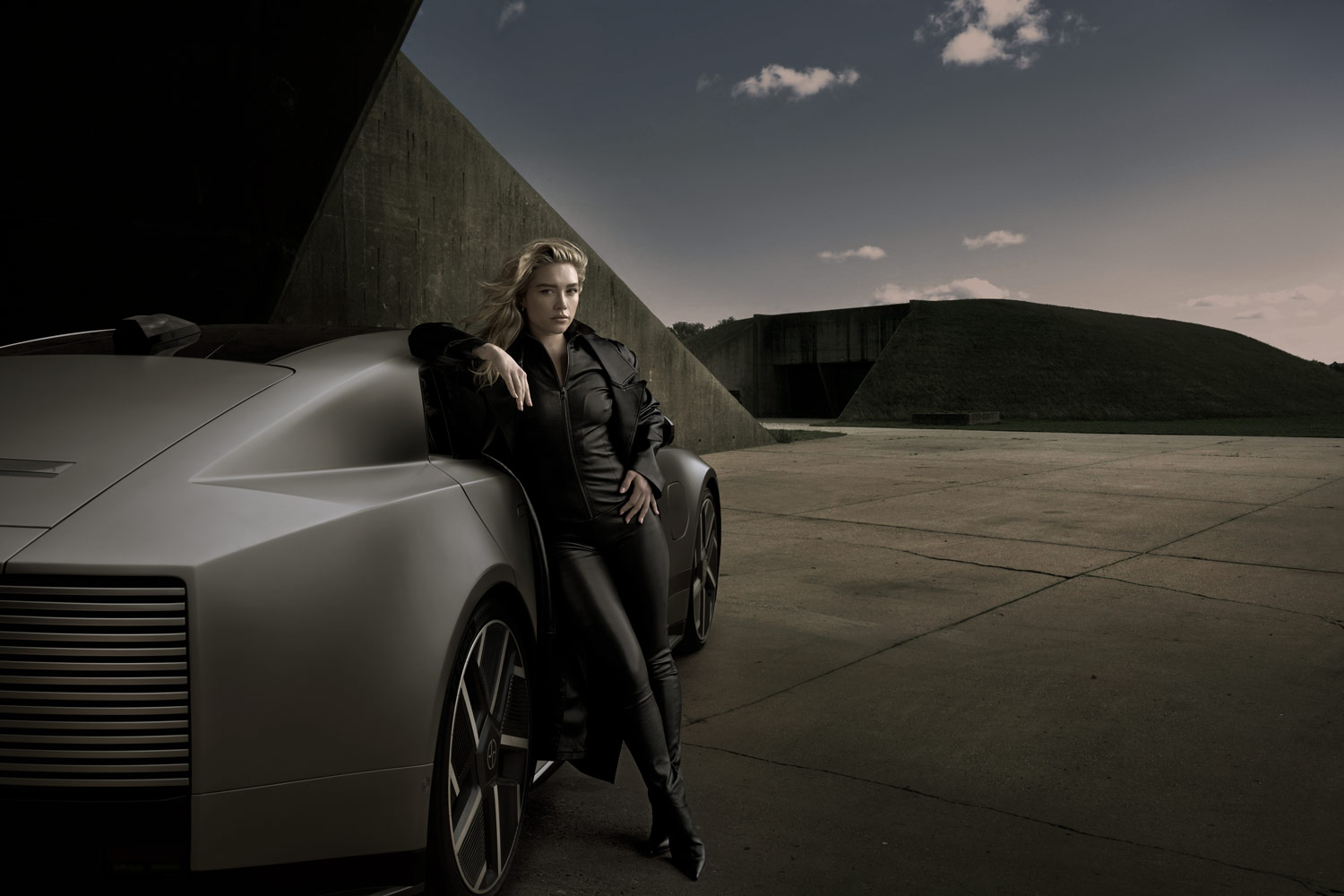
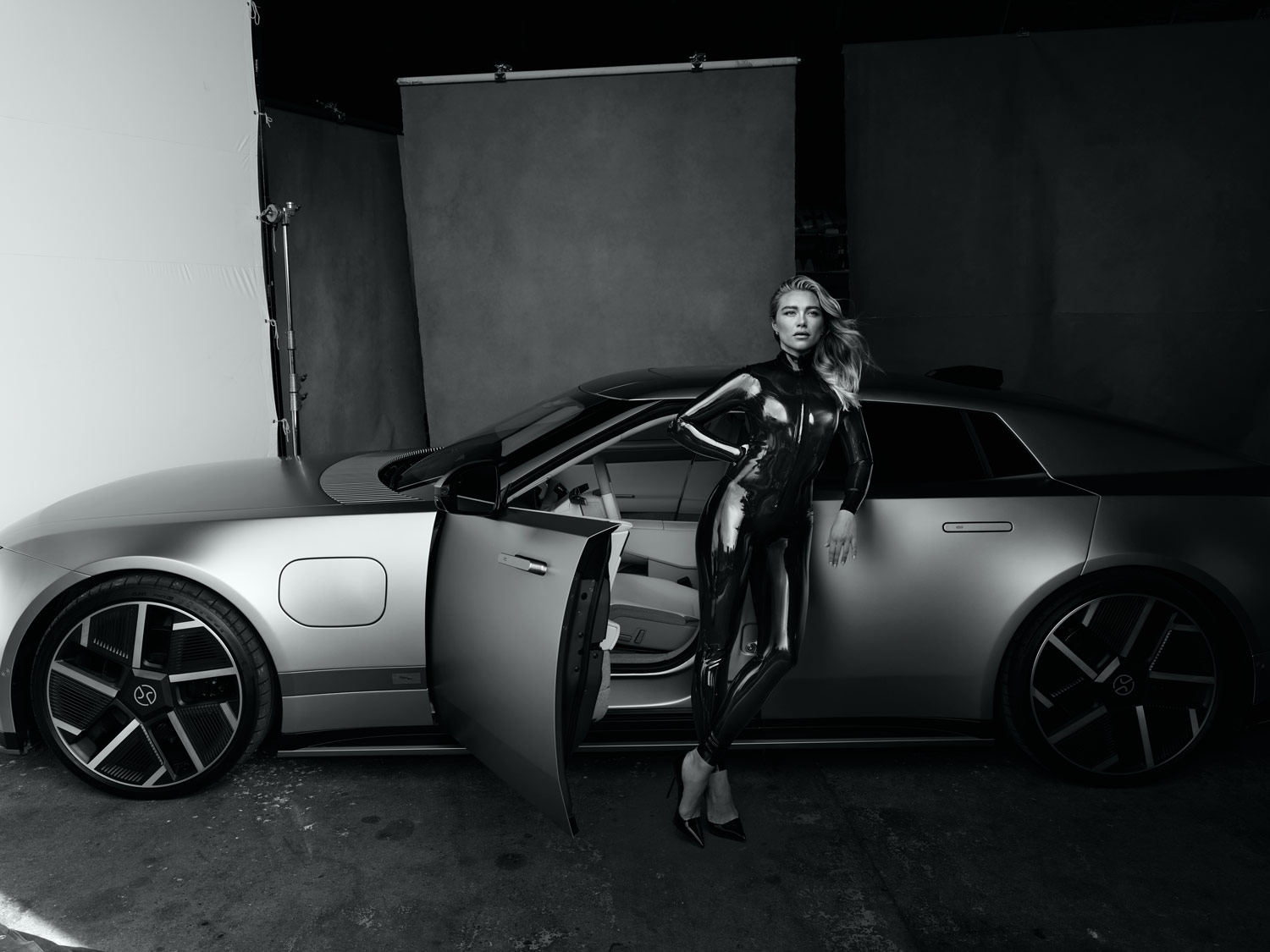
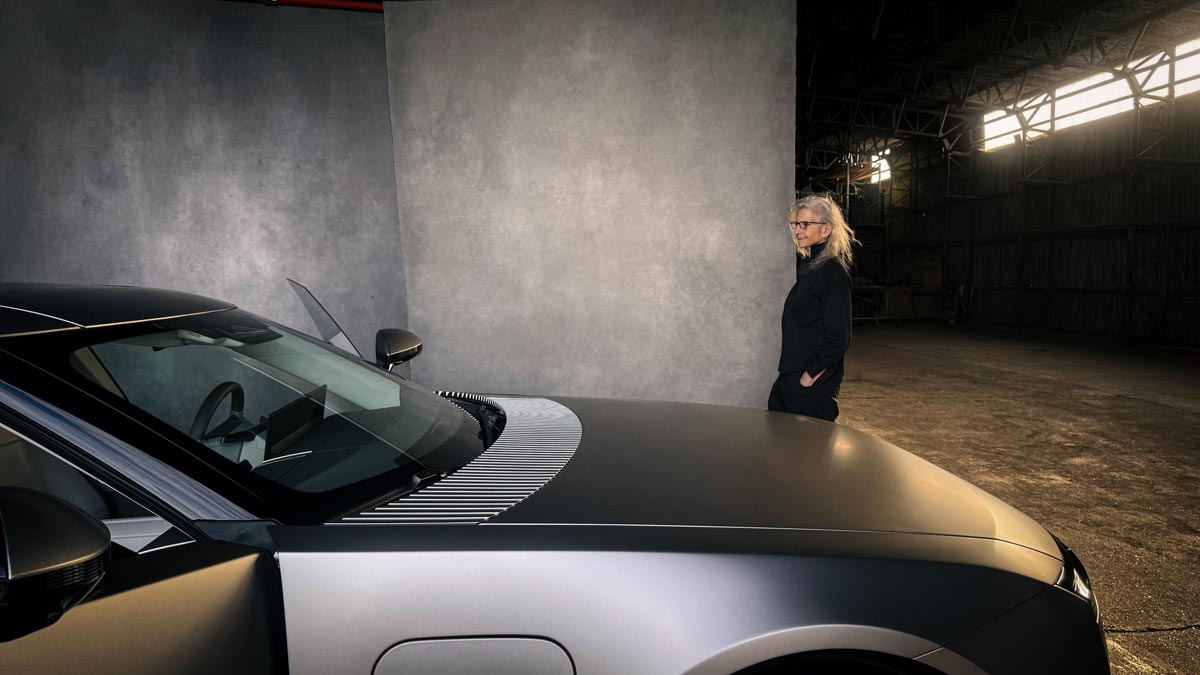
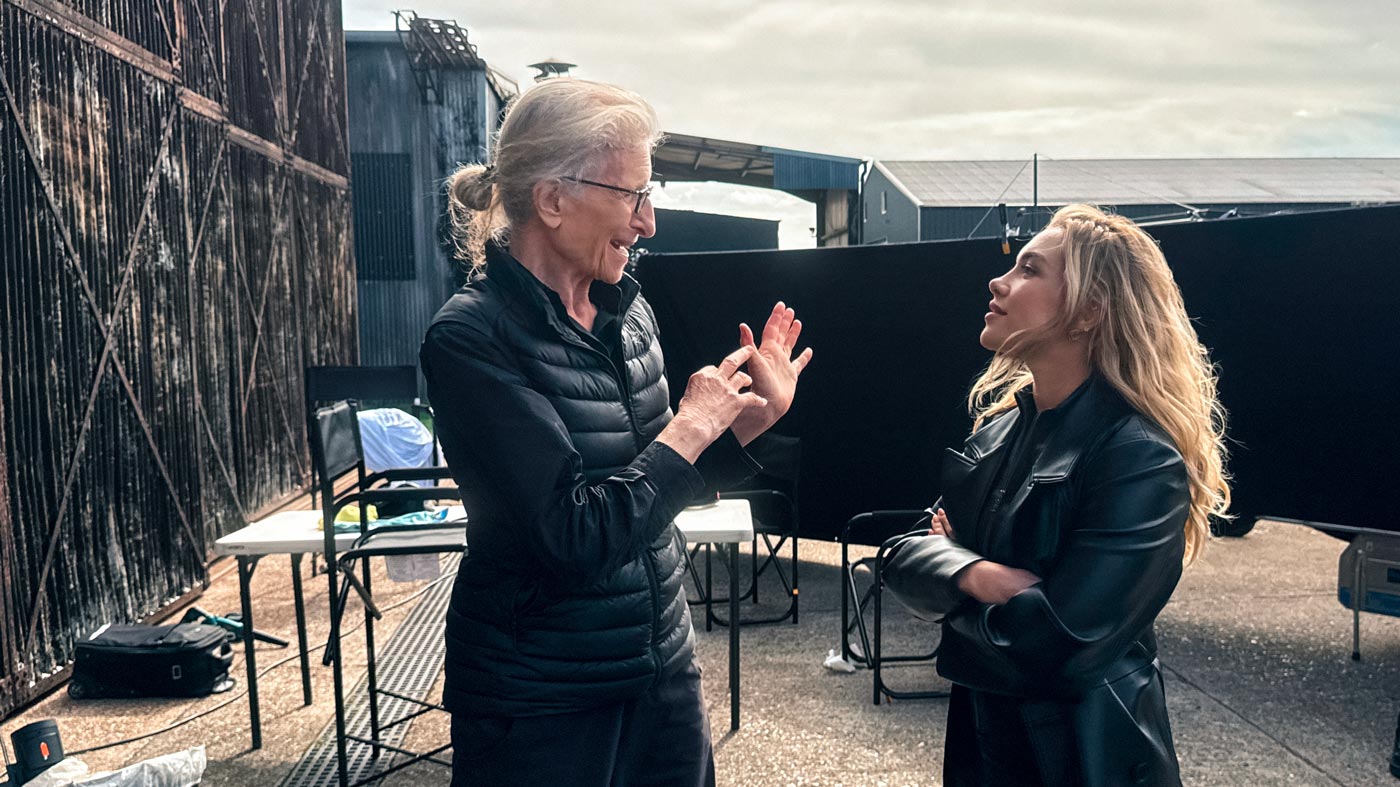
Then came Annie Leibovitz. She photographed Florence Pugh and the Type 01, stating: “Rather than treating the car as a backdrop, I wanted to photograph them both with the same curiosity.” In the frame, the car is no mere prop—it’s an equal co-star.
Florence Pugh is Jaguar’s first brand ambassador of the new era, standing eye-to-eye with the car in the image. Two lead characters who have nothing to apologize for. They represent a future that steps forward openly, honestly, and comfortably in its own skin. Not everyone has to like it. That was never the goal anyway. When you look ahead with that kind of confidence, today’s skeptics often come around tomorrow all on their own.
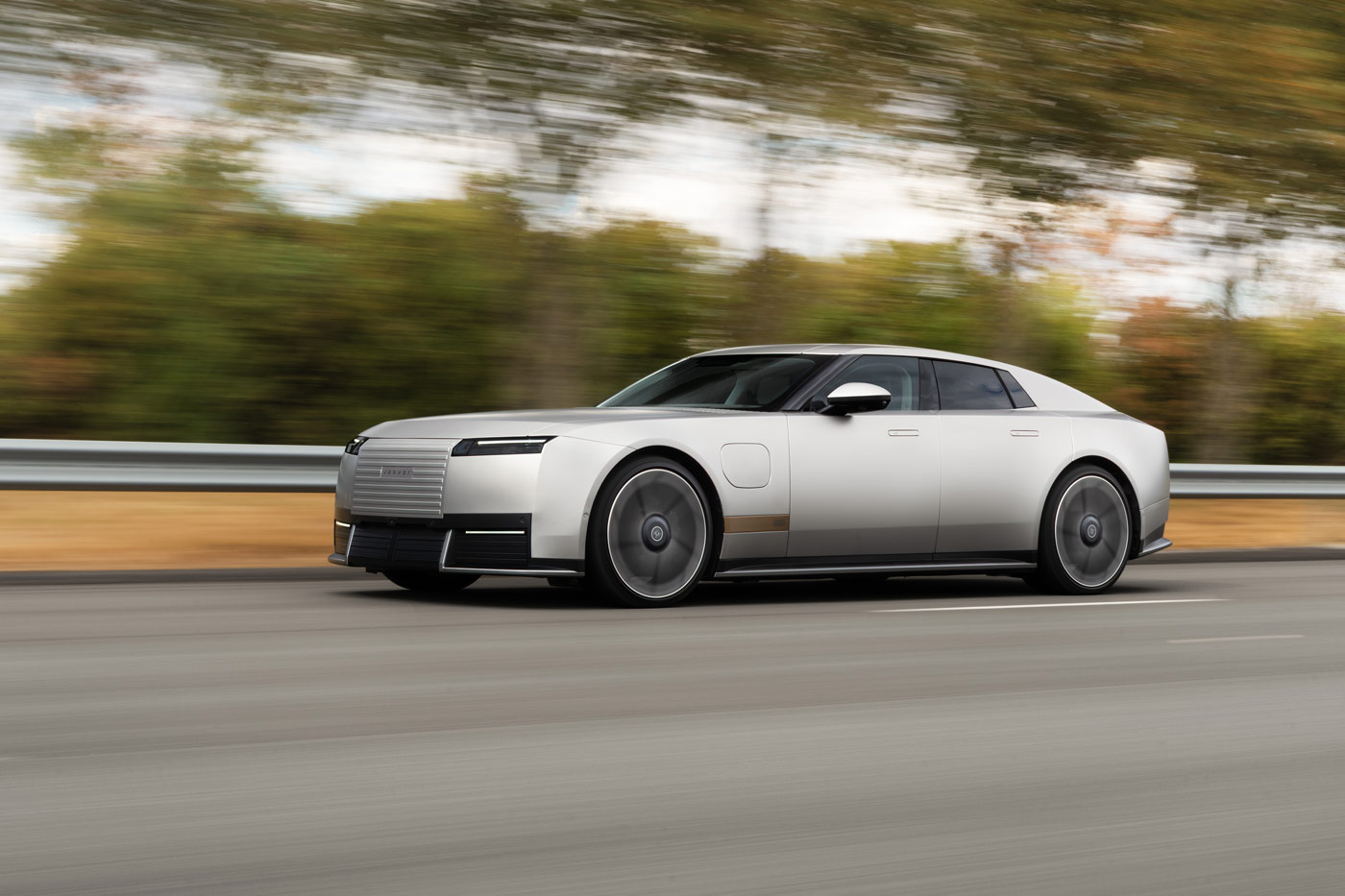
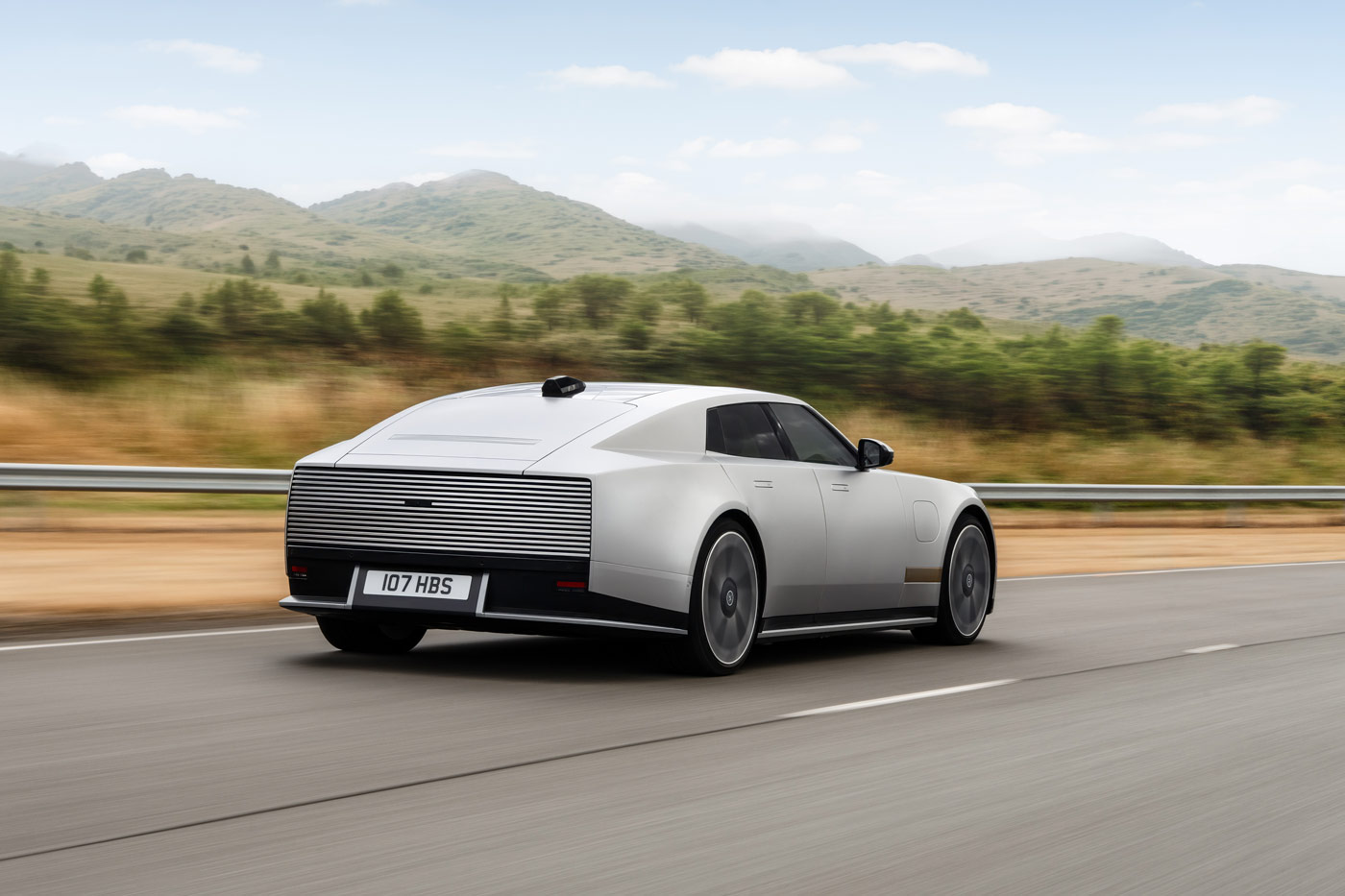
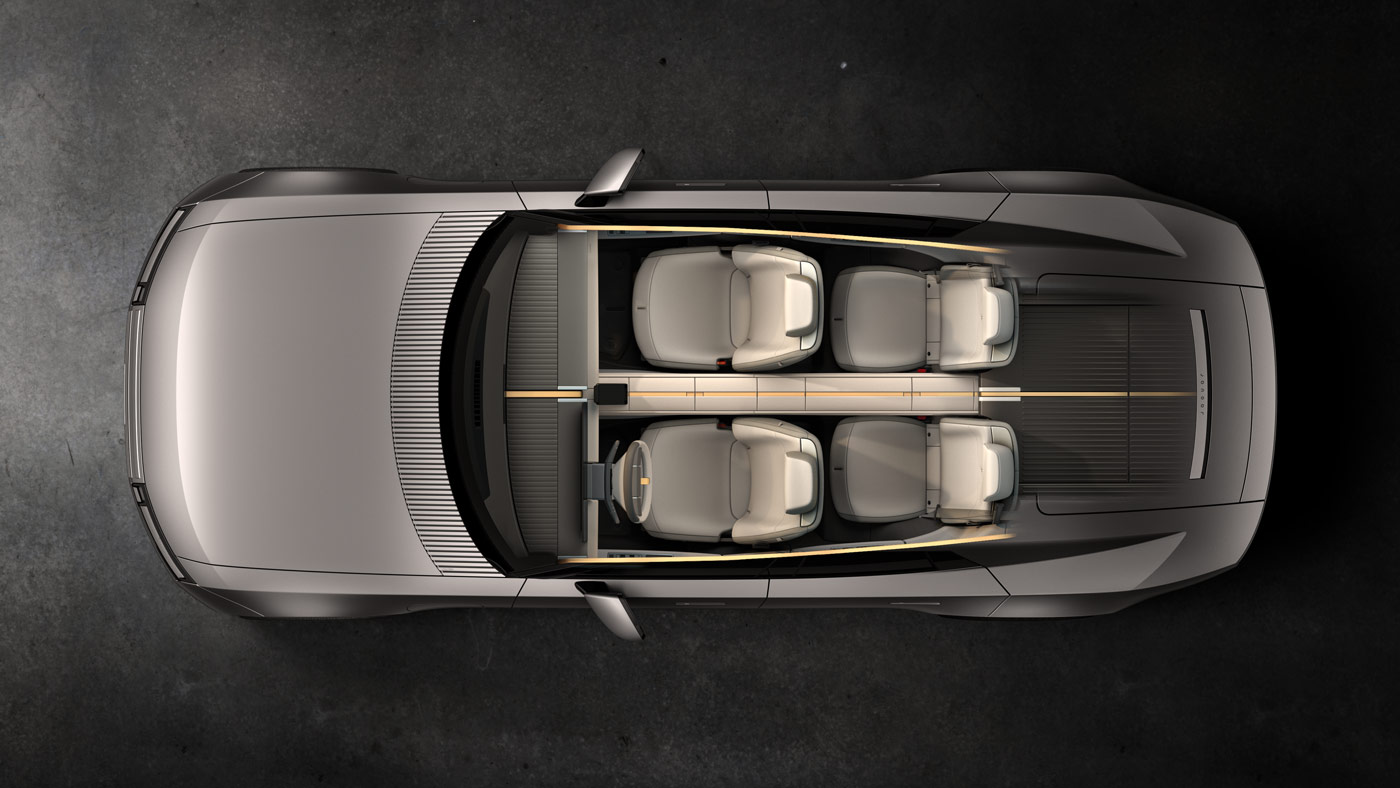
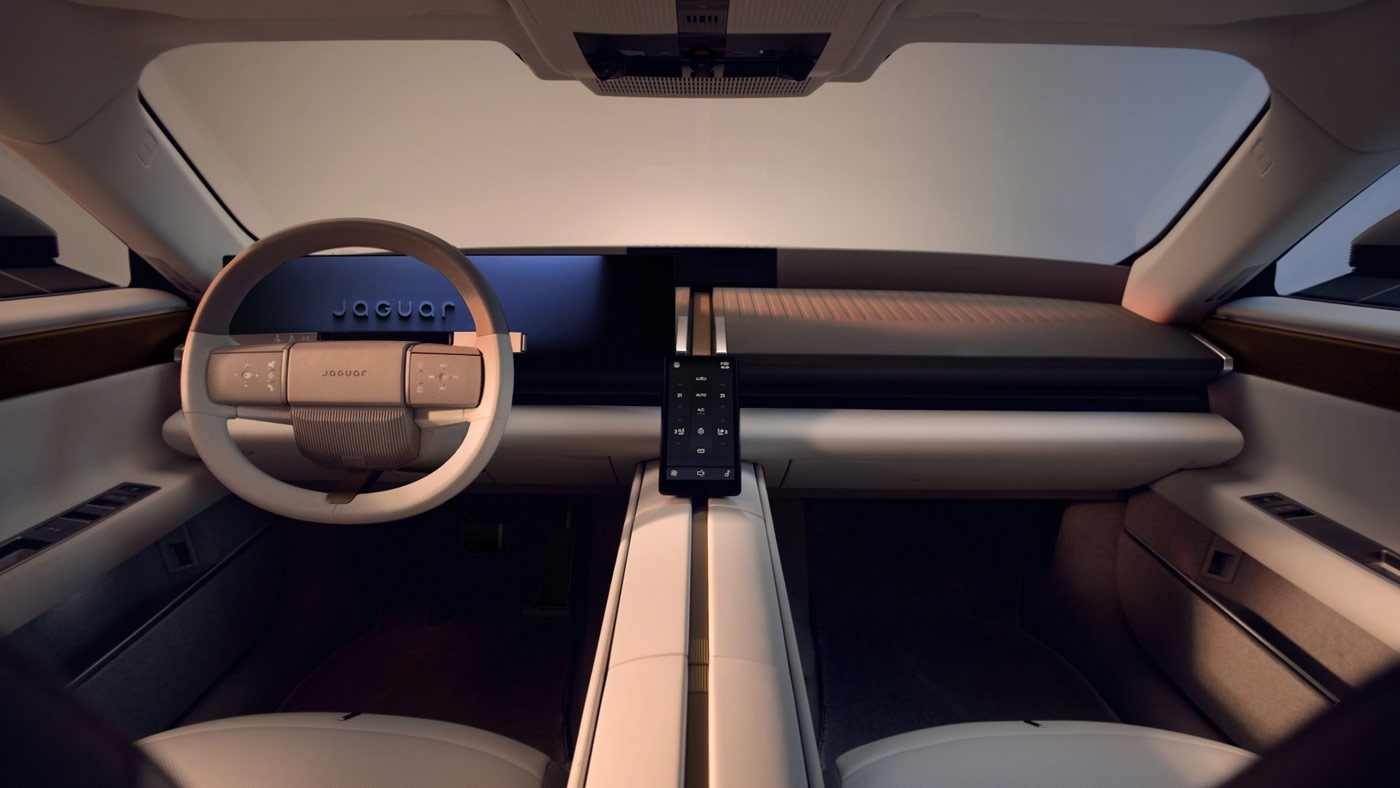
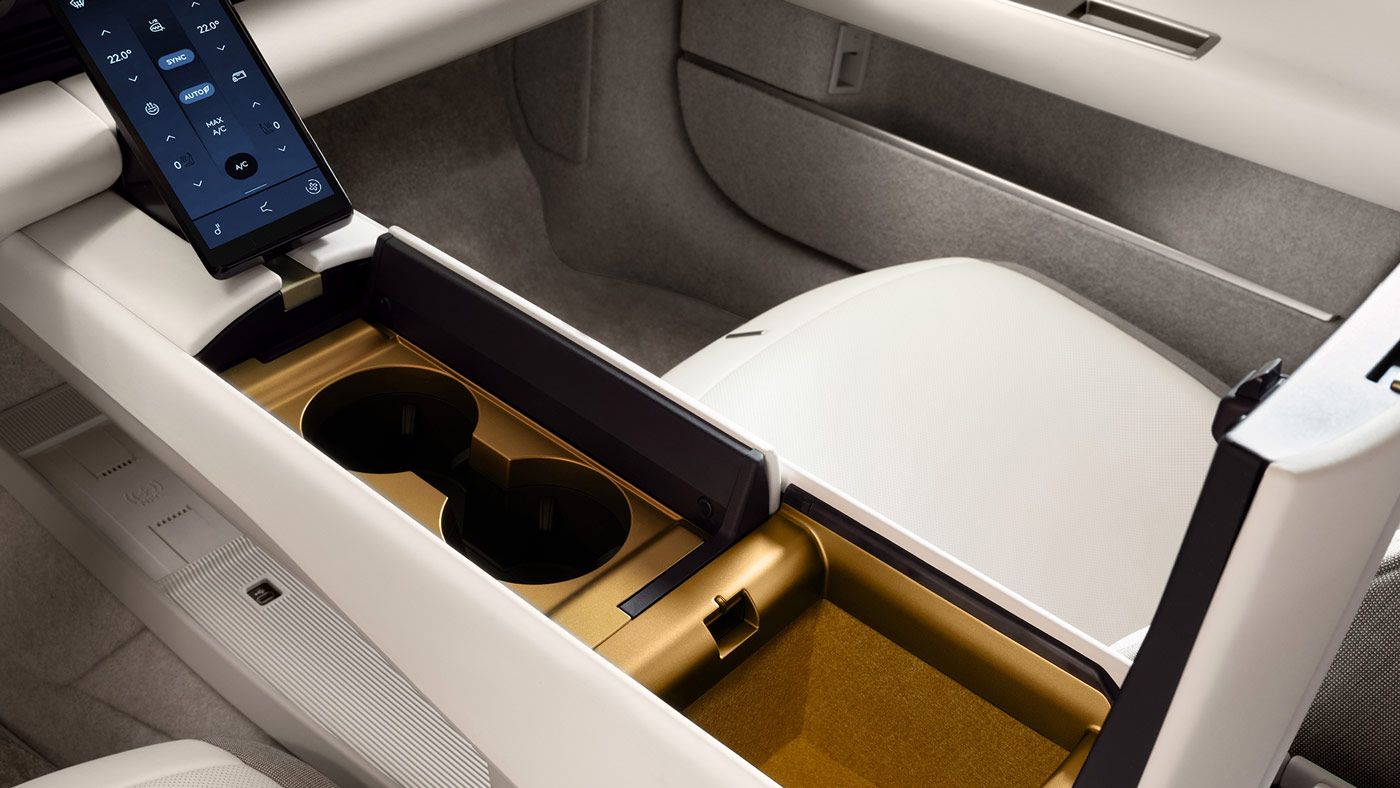
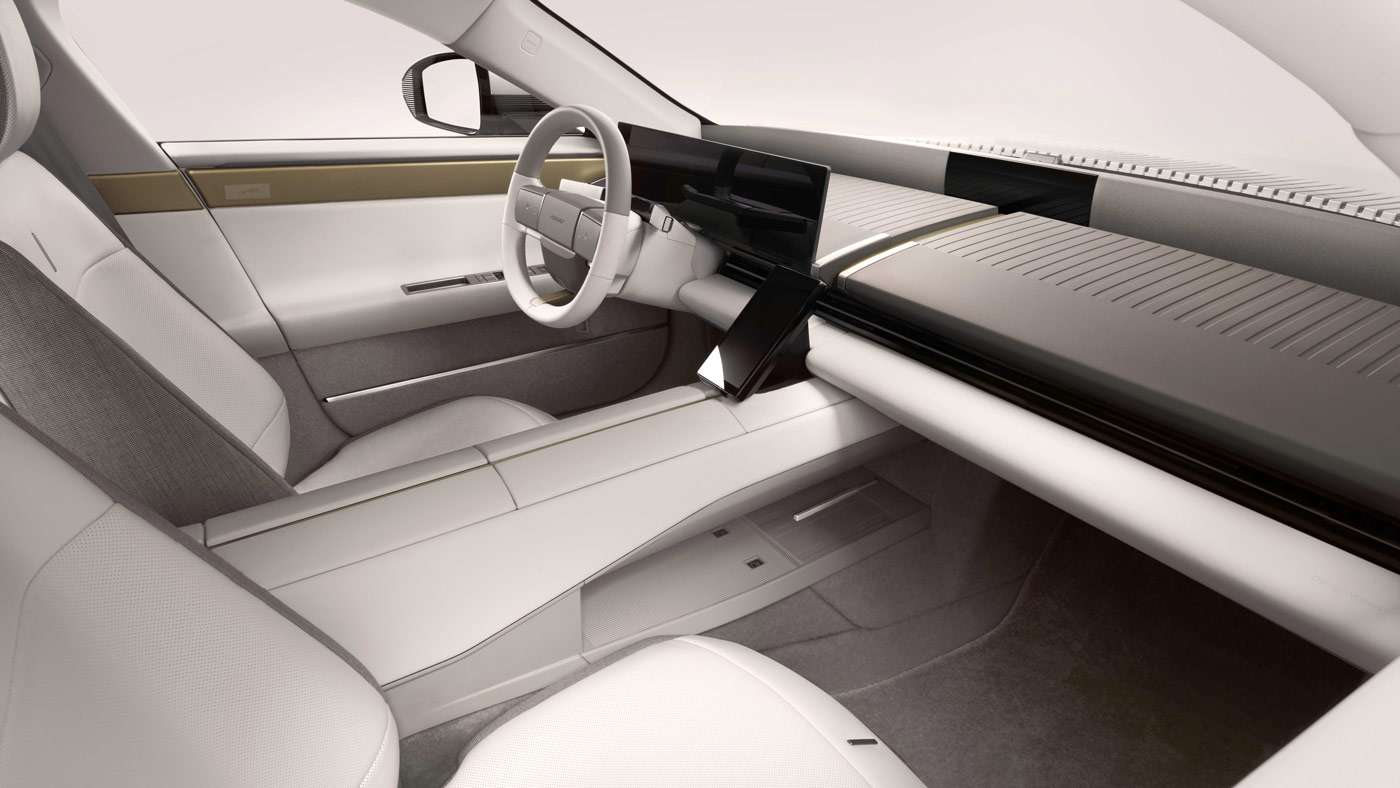
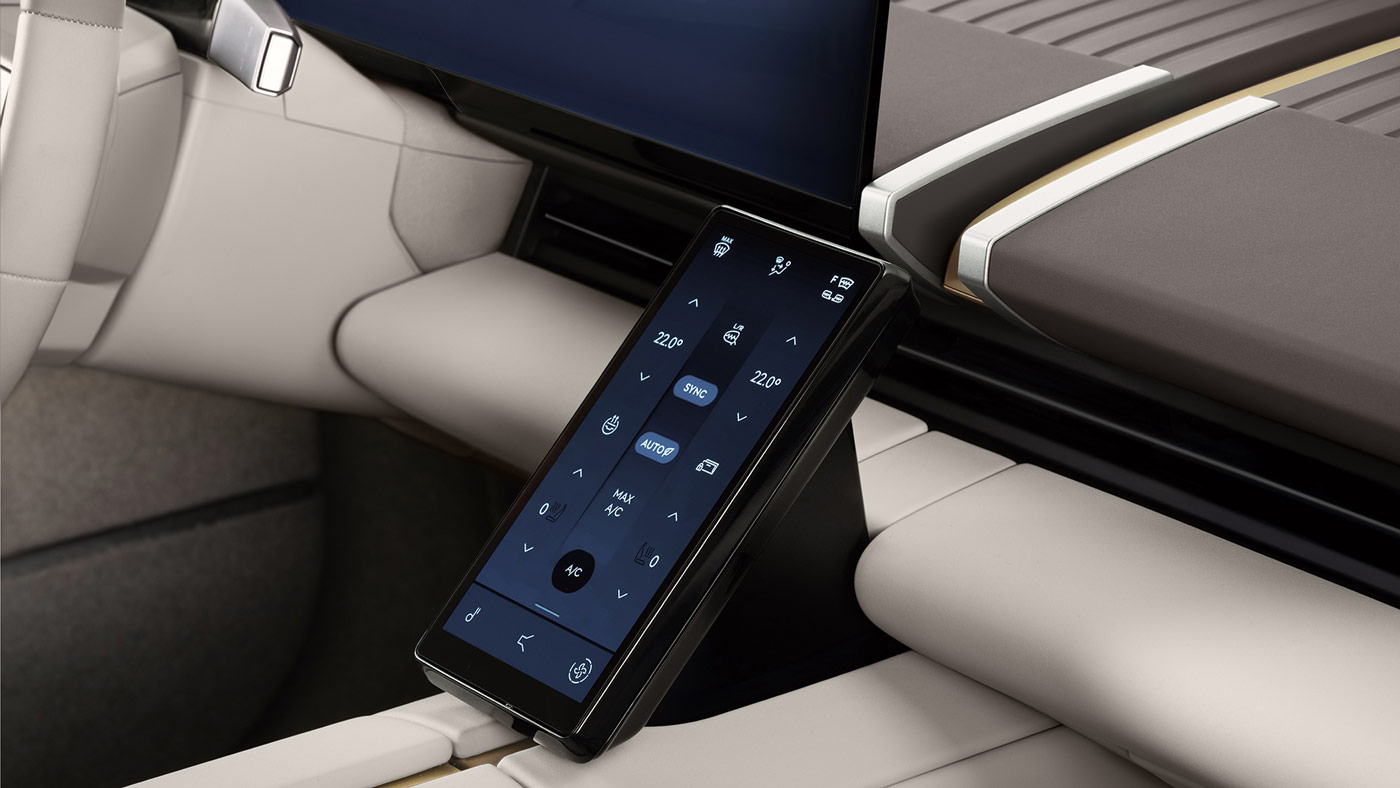
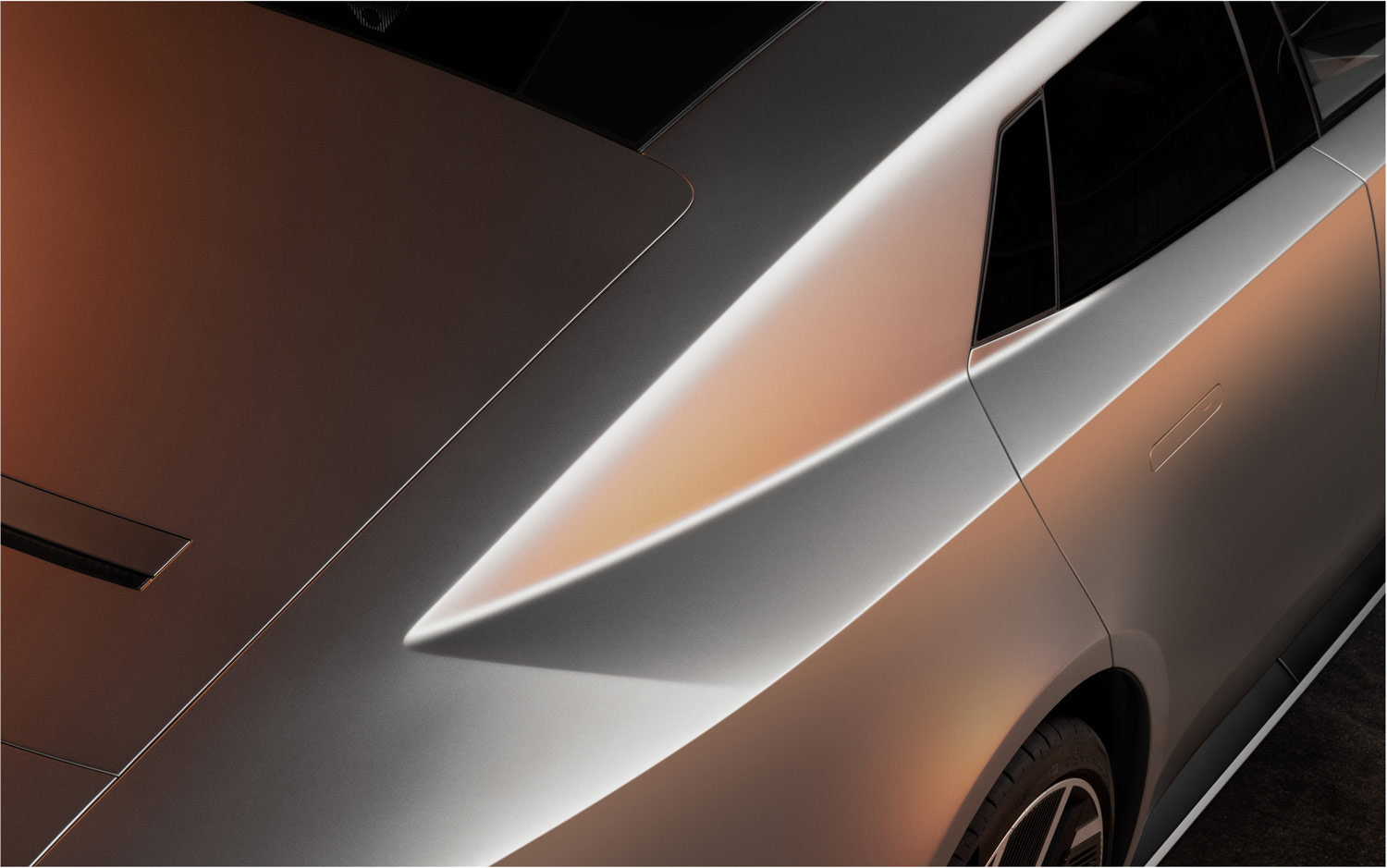
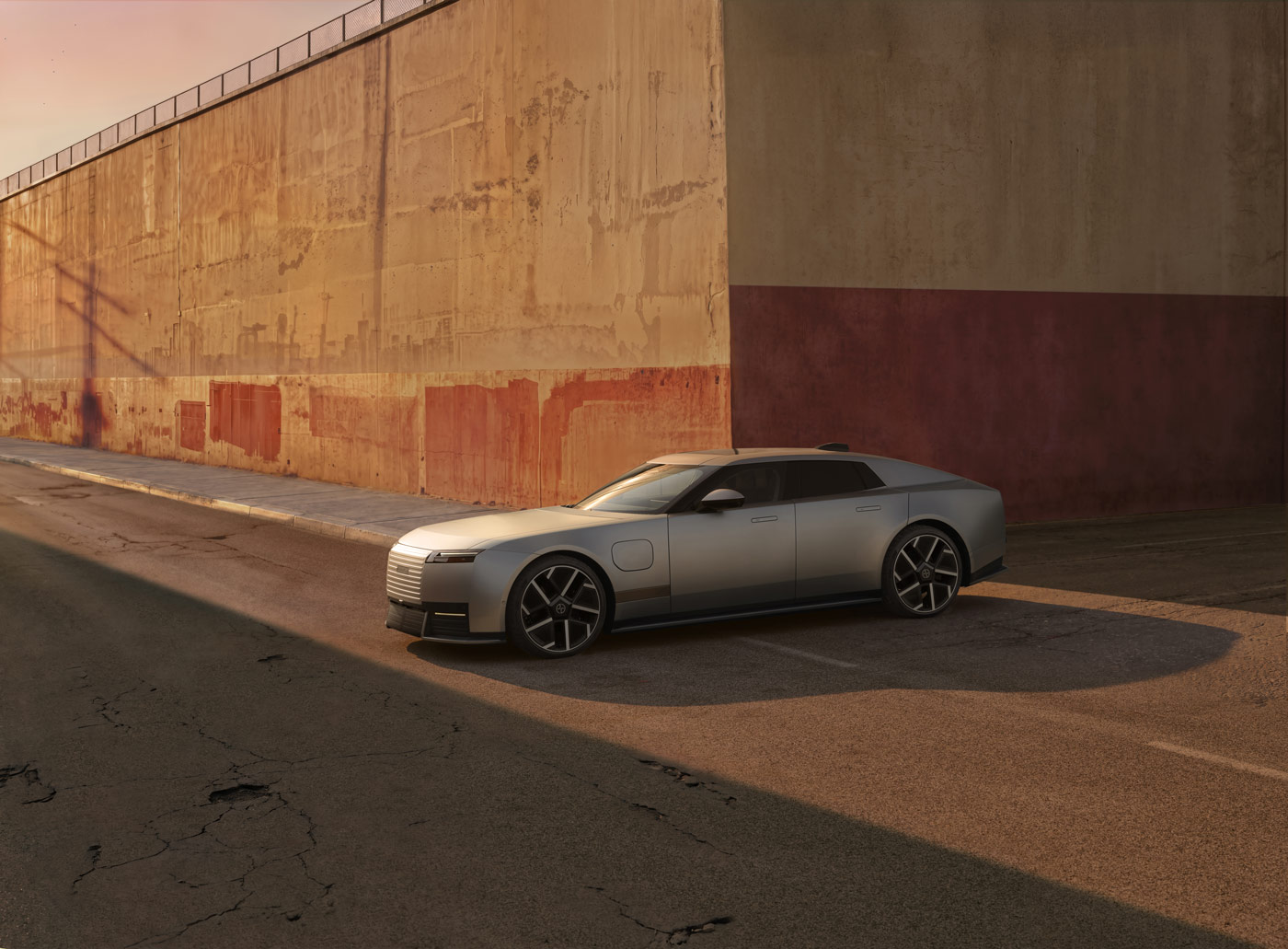
Skeptics call it a fashion shoot. That misses the point entirely. Here is a brand staking its ground for today and tomorrow—through design, engineering, and an approach that doesn’t underestimate its audience. Other carmakers roll their models through AI-generated landscapes and equip them with AI assistants that chime in uninvited. Is that supposed to be an exciting selling point? It’s just annoying. At Jaguar, you get a car next to an actress, photographed by a legend. Nobody chiming in.
Everybody’s darling? Certainly not. Skeptics are still welcome—at the brands that bore you.
Learn more at:
www.jaguar.com
Jürgen Preuss, infact.digital
Copyright: © Jaguar