
- The Power Pit
- RUF Bergmeister: The mountain calls back
RUF Bergmeister: The mountain calls back
*Homage or reinvention? With the RUF Bergmeister, the answer is: both. The manufacturer from Pfaffenhausen brings the spirit of the 1968 Porsche 909 Bergspyder into the present — without losing its character for a second.**
The inspiration
The Porsche 909 Bergspyder was a radical. Everything superfluous
stripped away, everything geared toward winning. That’s exactly the spirit RUF wanted to revive — without turning it into a museum piece.
The design was handled by studiokurbos from Stuttgart, together with Tony Hatter, who worked as a designer at Porsche for more than thirty years. You could hardly build a better bridge between then and now.
“The result isn’t a compromise, but the best of two worlds.”
— Andreas Kurbos, Founder & CEO, studiokurbos
What it looks like
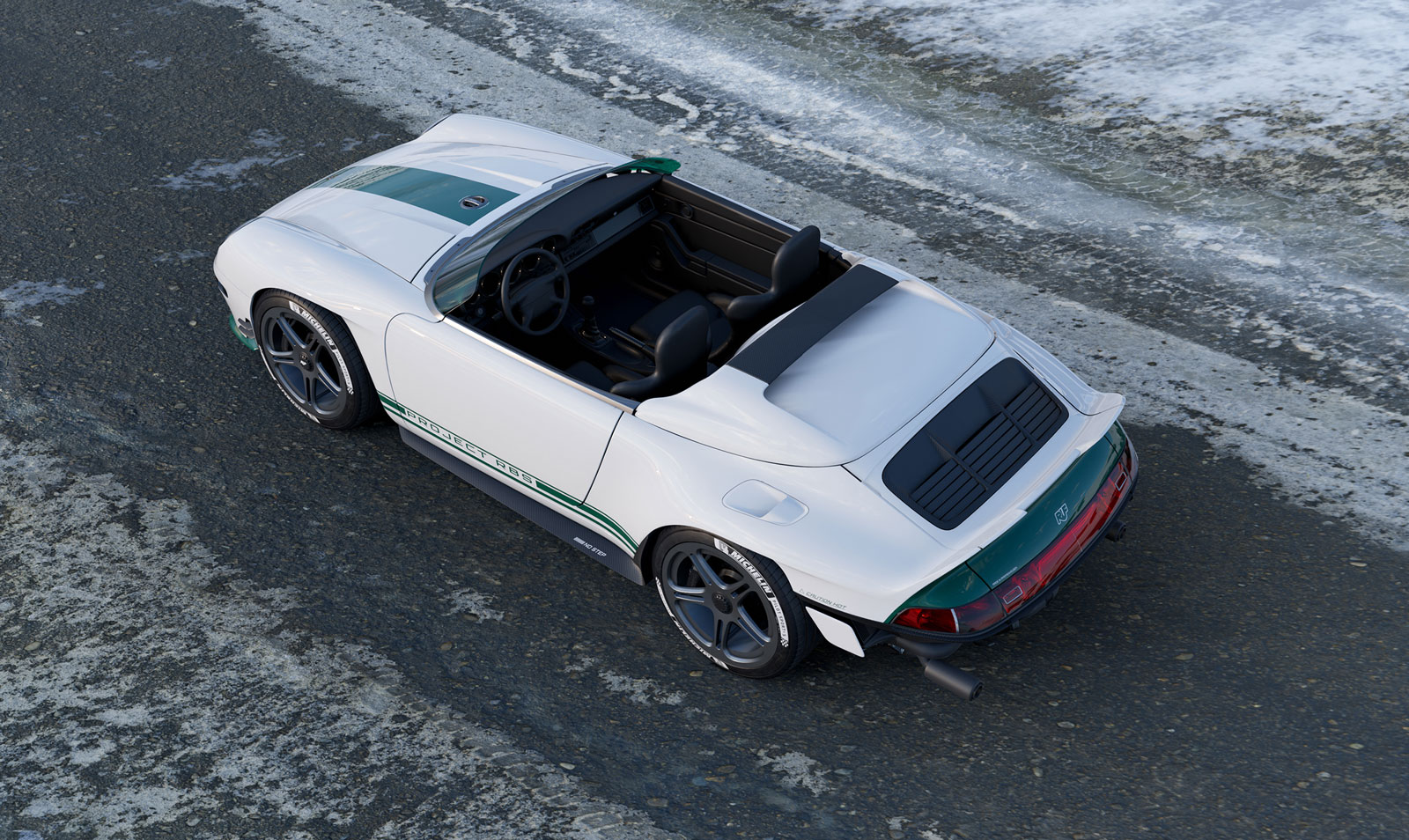
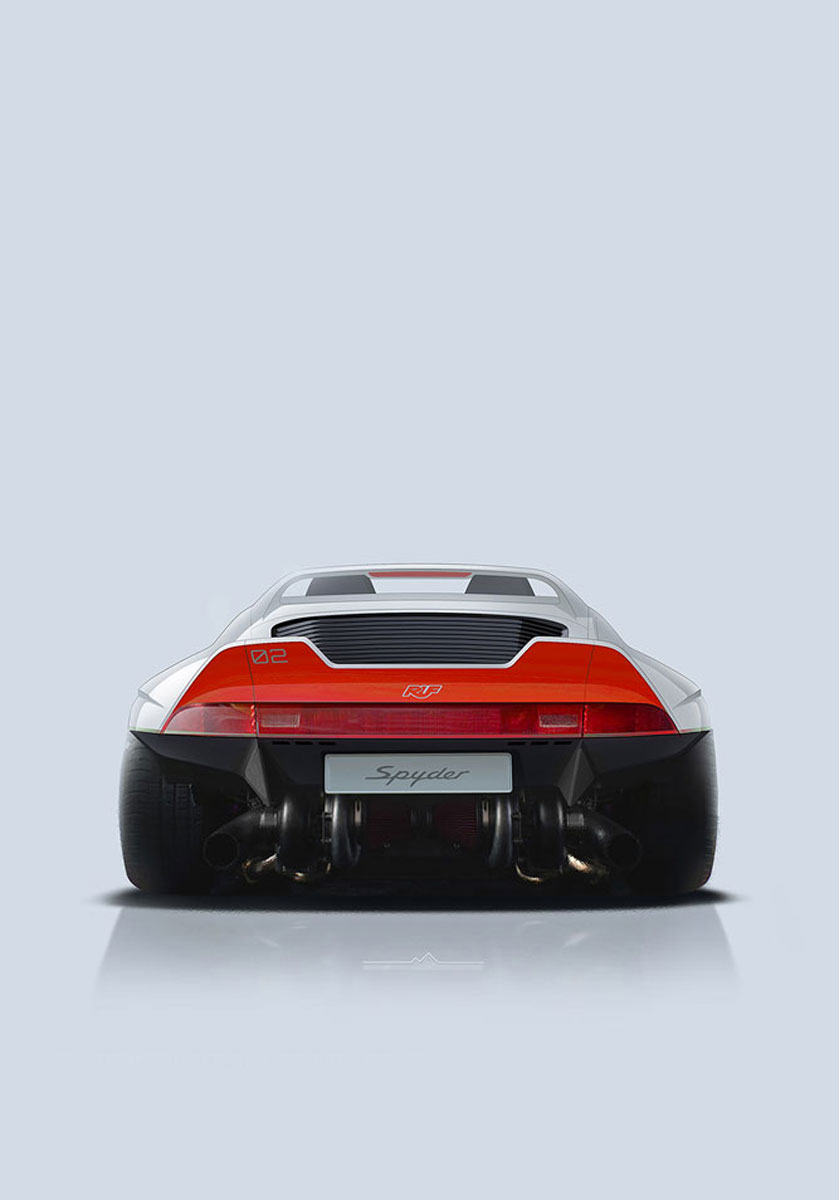
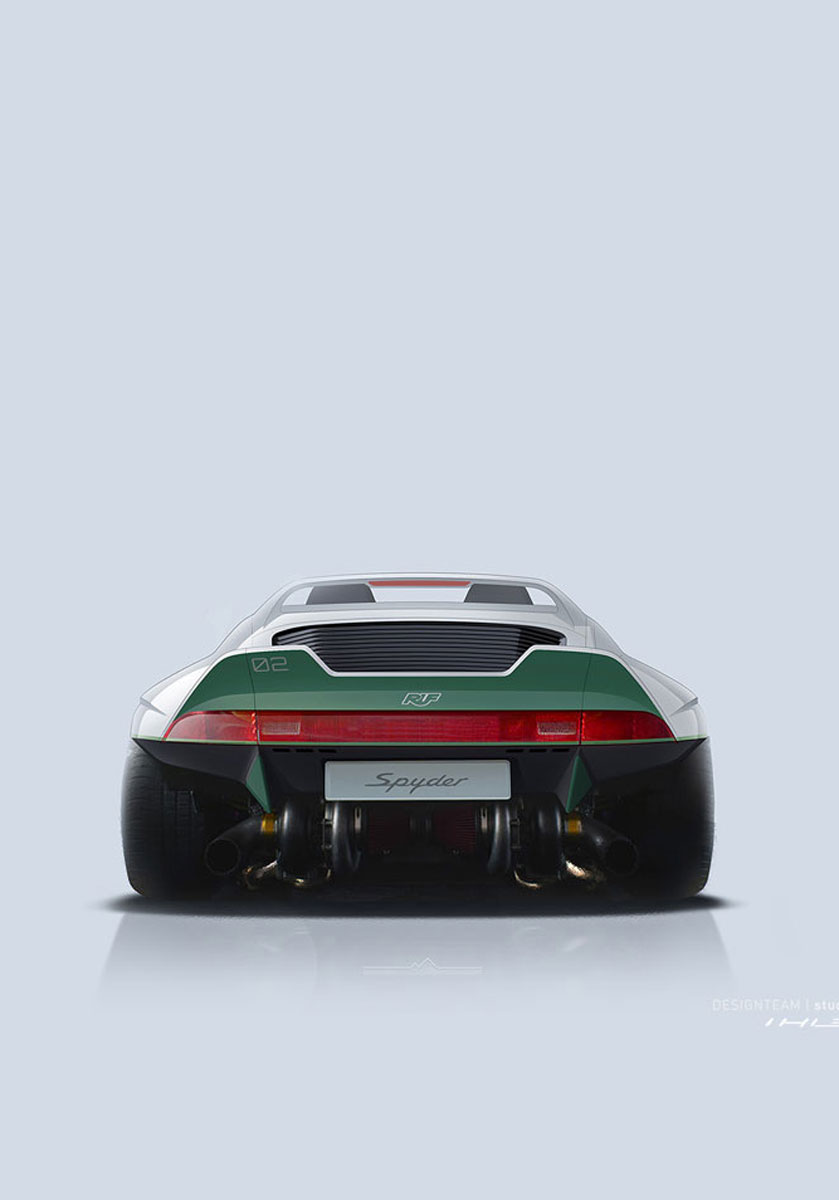
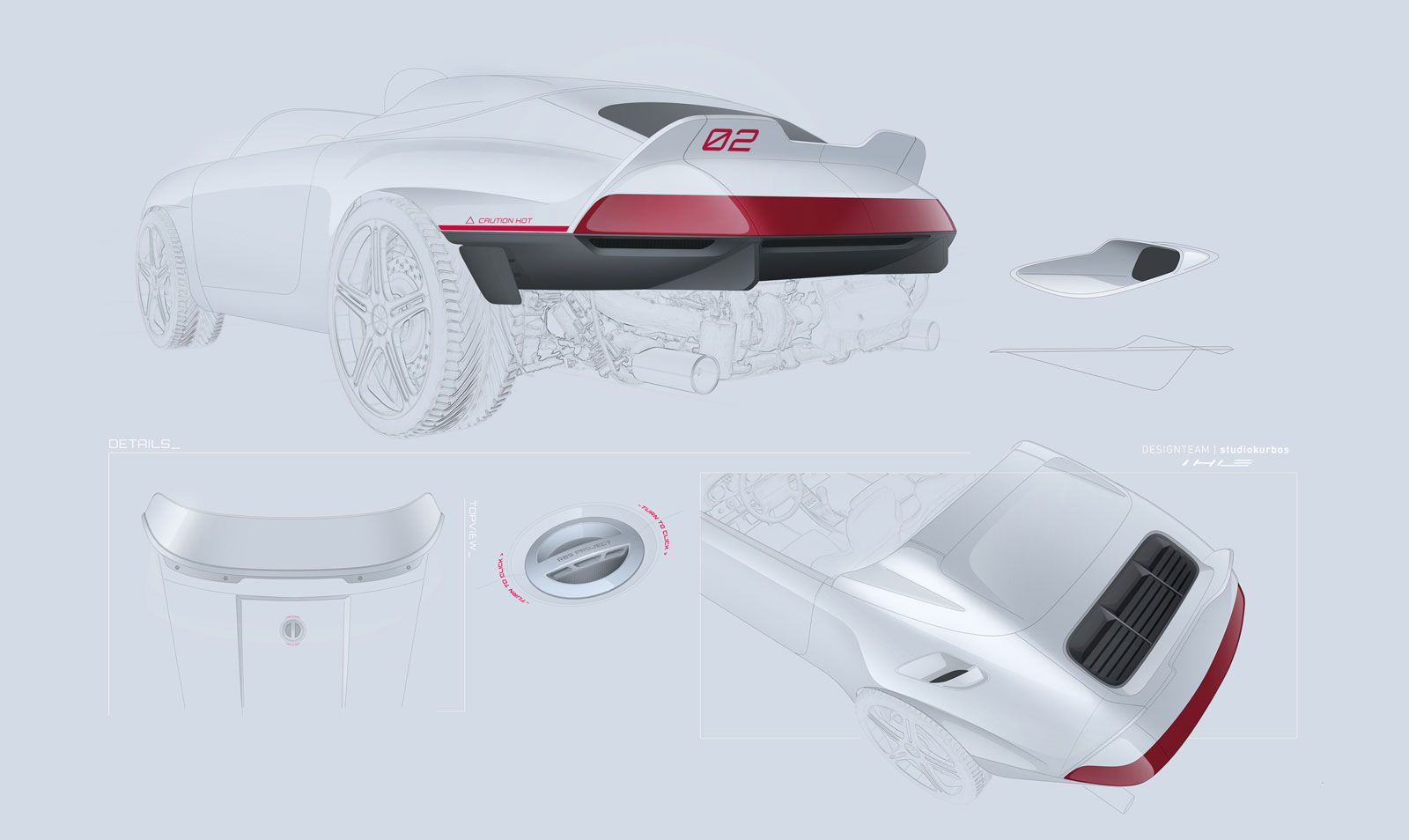
The open rear end is the Bergmeister’s boldest statement. The single turbo and exhaust system are fully exposed — no sheet metal, no apologies. A direct reference to the Bergspyder, executed with total consistency.
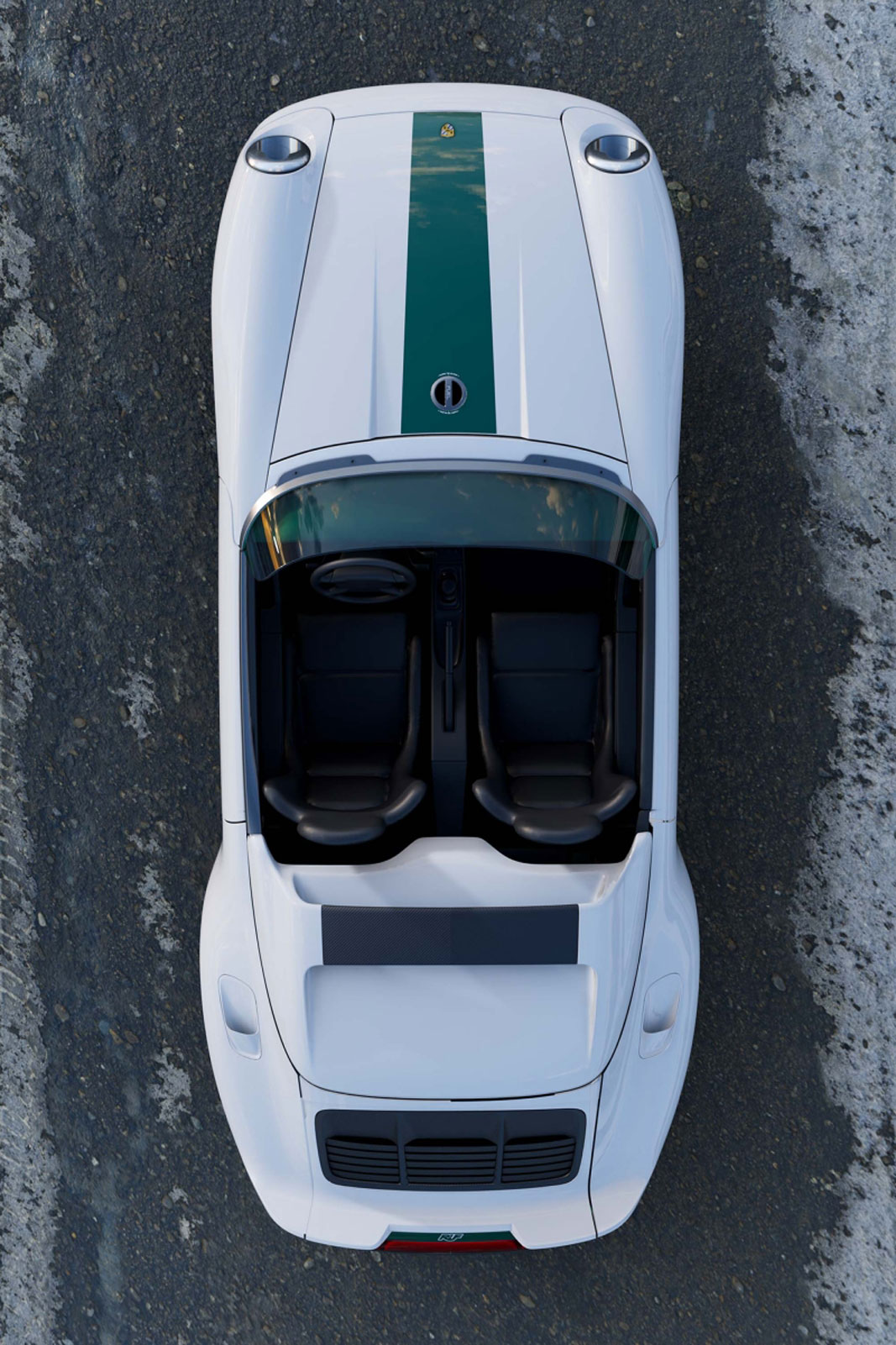
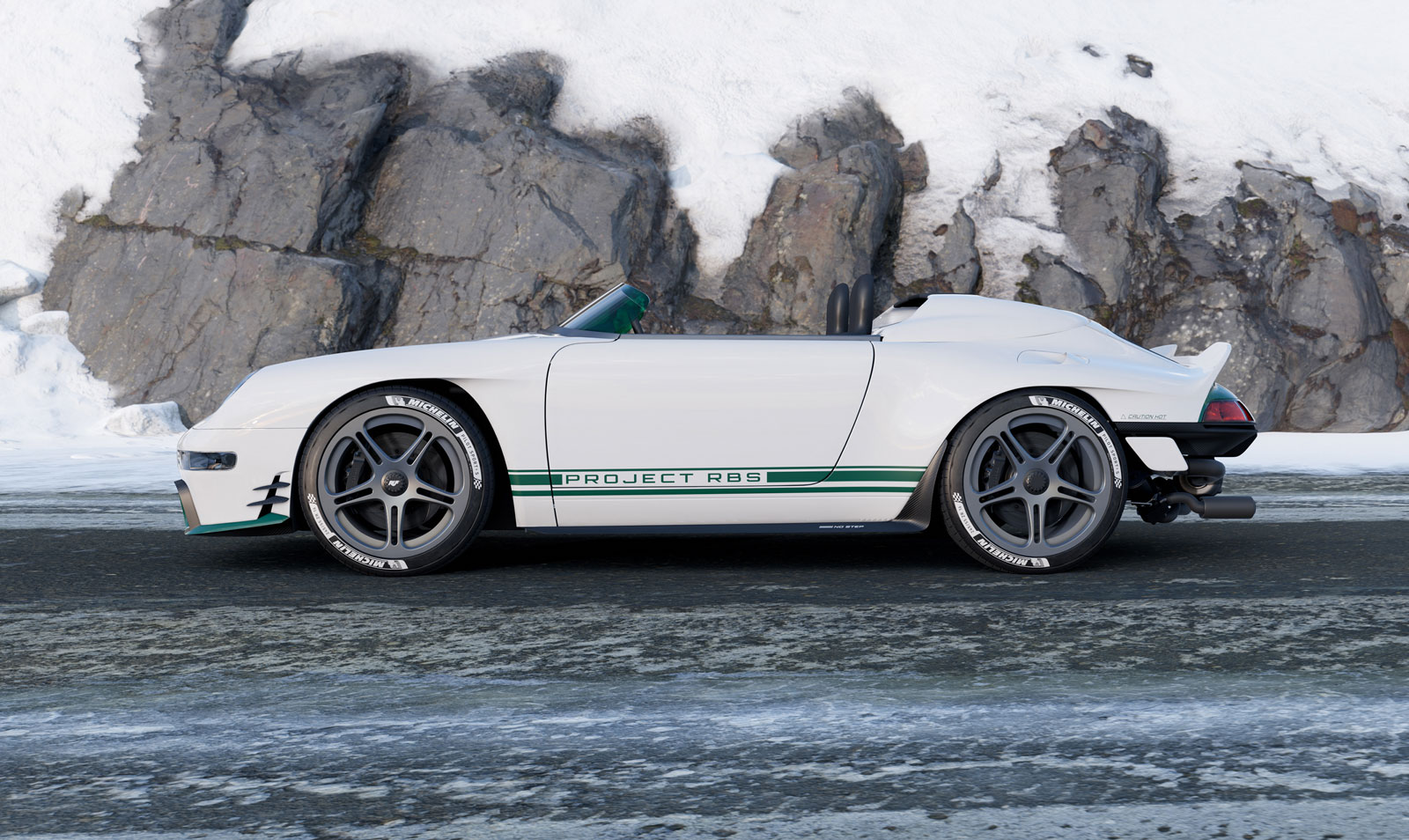
The side is calm, almost minimalist. A single line leads the eye rearward, where the spectacle begins. Up front, large air intakes pull your gaze down toward the road. Underneath: a Porsche 993
Cabrio converted into a Speedster. Carbon-fiber bodywork.
Two color variants, both lifted straight from history: **neon red/white** and **emerald green/white** — the 909’s original colors, reinterpreted. Add rally stripes, carbon add-ons, and the “RBS” logo. Motorsport vibes without dressing up.
- Air-cooled 3.6-liter flat-six boxer with turbo #1
- 450 hp, 600 Nm, dry-sump lubrication
- Six-speed manual transmission, rear-wheel drive, limited-slip differential
- 350 mm carbon-ceramic brakes
- Speedometer up to 355 km/h
- No electric drive, no automatic transmission. The Bergmeister demands something — and gives back accordingly.
No electric drive, no automatic transmission. The Bergmeister demands something — and gives back accordingly.
How it was created
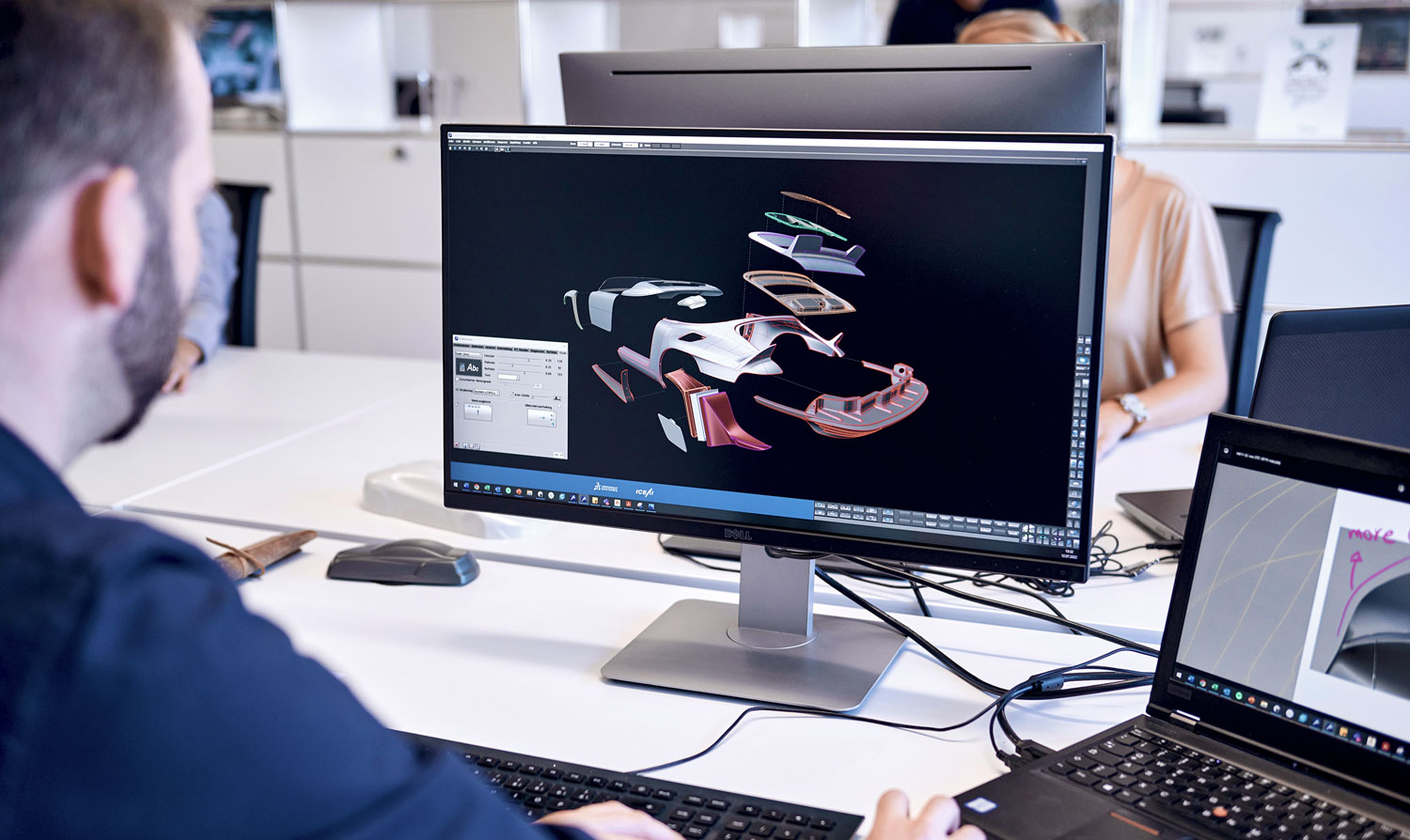
studiokurbos developed the design entirely digitally: combining CAD and polygon models, with the customer present live via VR headset. Changes in real time, no weeks-long model building. Once the OK came, RUF in Pfaffenhausen took over — hand-built, small series.
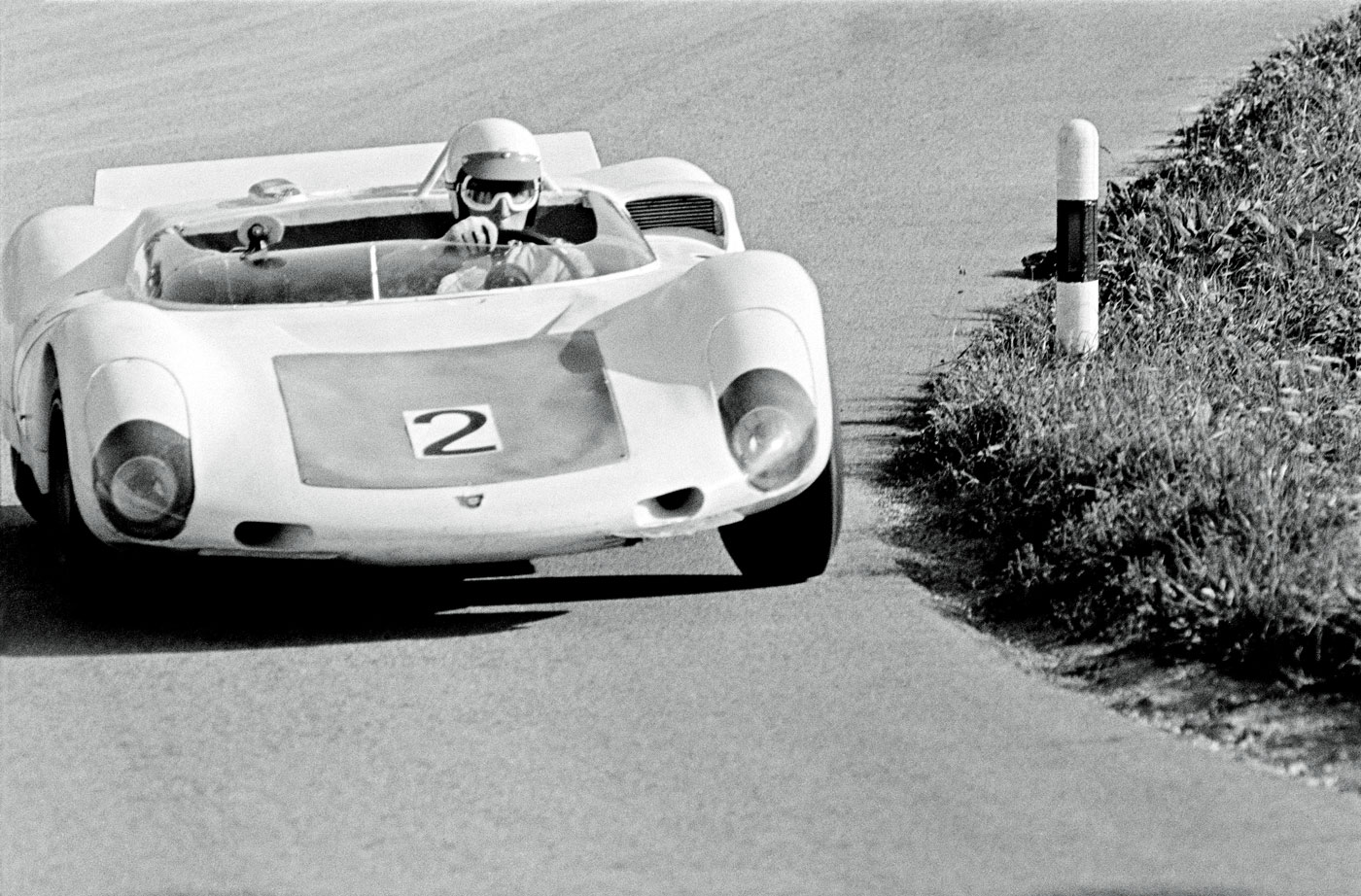
The original: Porsche 909 Bergspyder (1968)
Two examples. Two races. And still immortal.
The Porsche 909 Bergspyder was created in 1968 under Ferdinand Piëch with a single goal: to be lighter than anything ever sent up a mountainside. With a dry weight of around 375 kg, it achieved that impressively — less than some motorcycles, a fifth of a Bugatti Veyron. The 2.0-liter flat-eight boxer produced around 275 hp. If you like doing the math: its power-to-weight ratio made the era’s Formula 1 cars look old.
To hit that weight, Porsche used everything that was possible at the time — titanium for the brake calipers, beryllium for the brake discs, magnesium for the wheels, plastic for the body. Headlights? Deleted. Even the wiring was made of silver, because copper was too heavy.
Gerhard Mitter, two-time European champion, tested the car and was thrilled — but for the races at Gaisberg and Mont Ventoux he chose the proven 910 instead. Rolf Stommelen took over the 909 and finished third and second. After that, Porsche withdrew from hillclimb racing — instantly turning the 909 into a legend.
Jürgen Preuss, infact.digital
Copyright: RUF