
- The Power Pit
- Yesterday was still tomorrow today.
Yesterday was still tomorrow today.
There are cars you drive. And there are cars that decide whether they’ll let you drive them. The Cobra was the latter from the start—and proud of it.
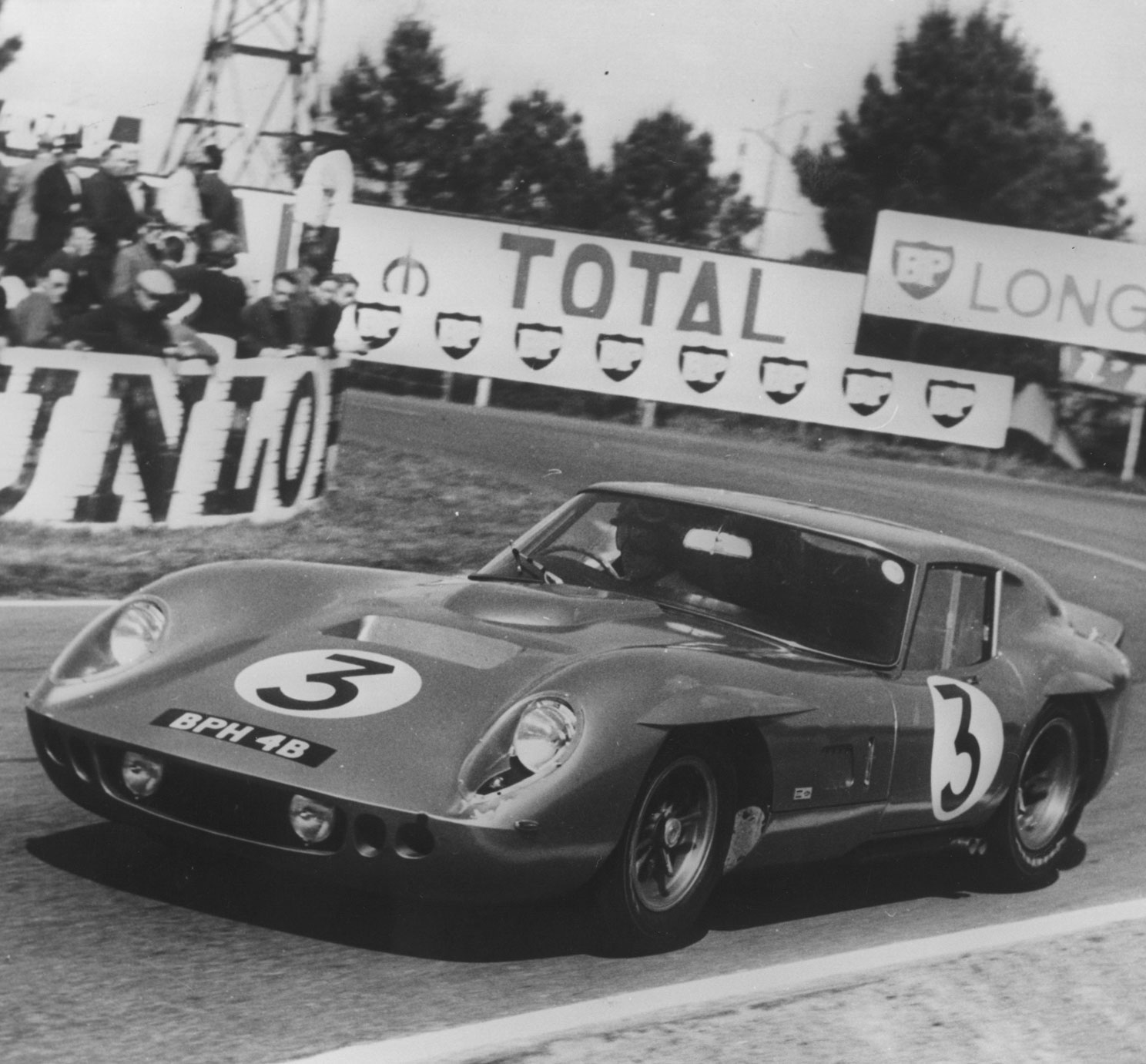
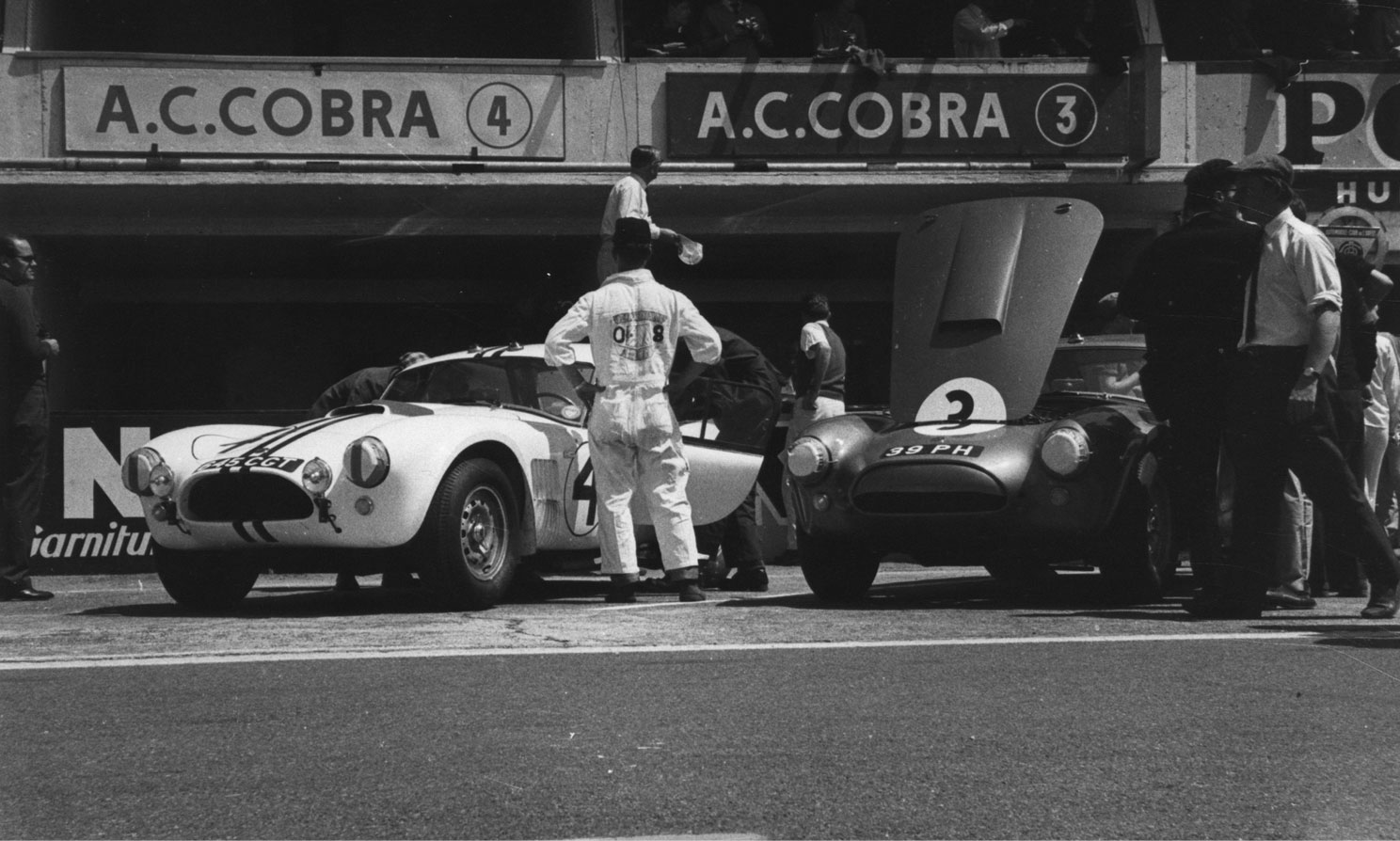
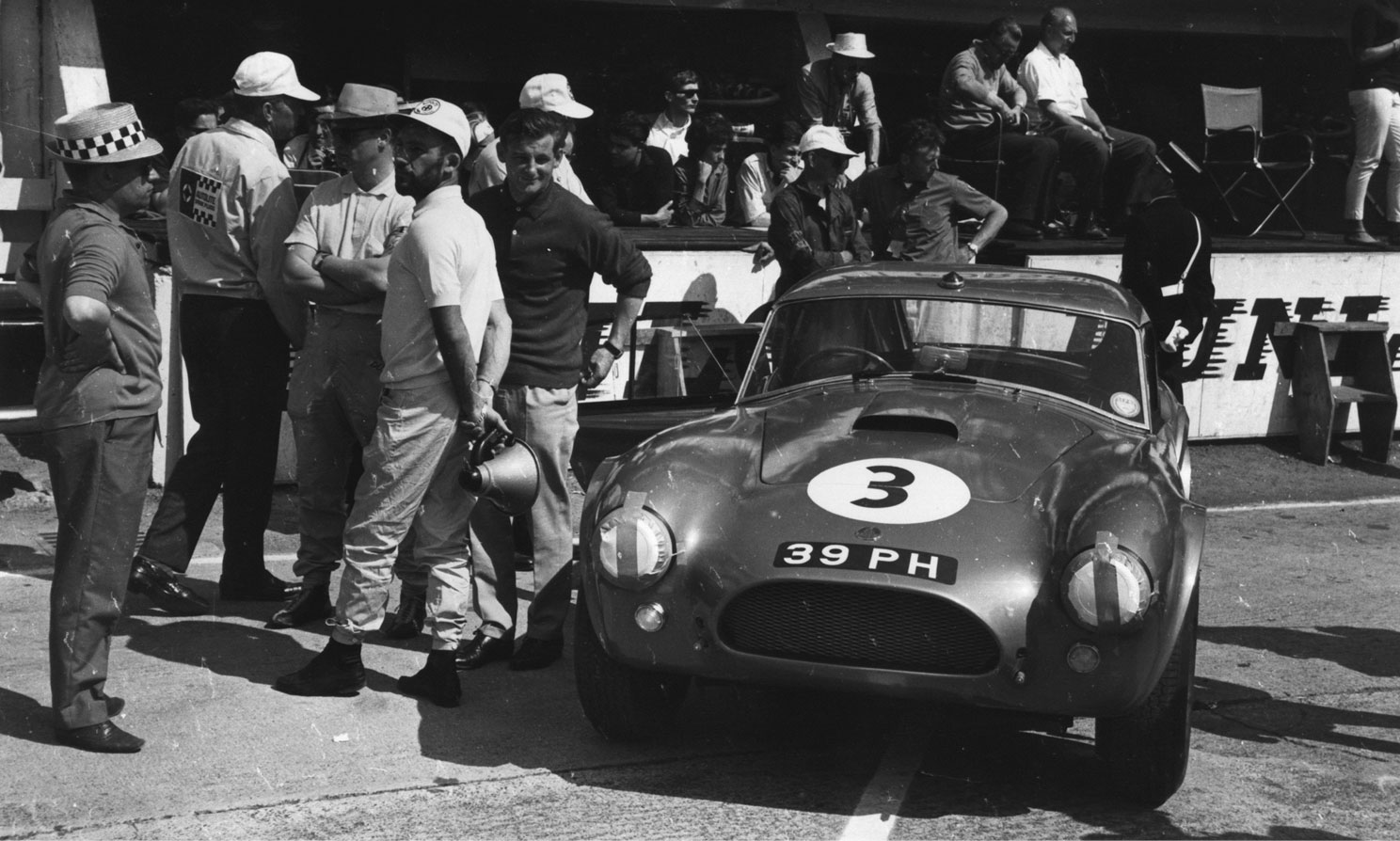
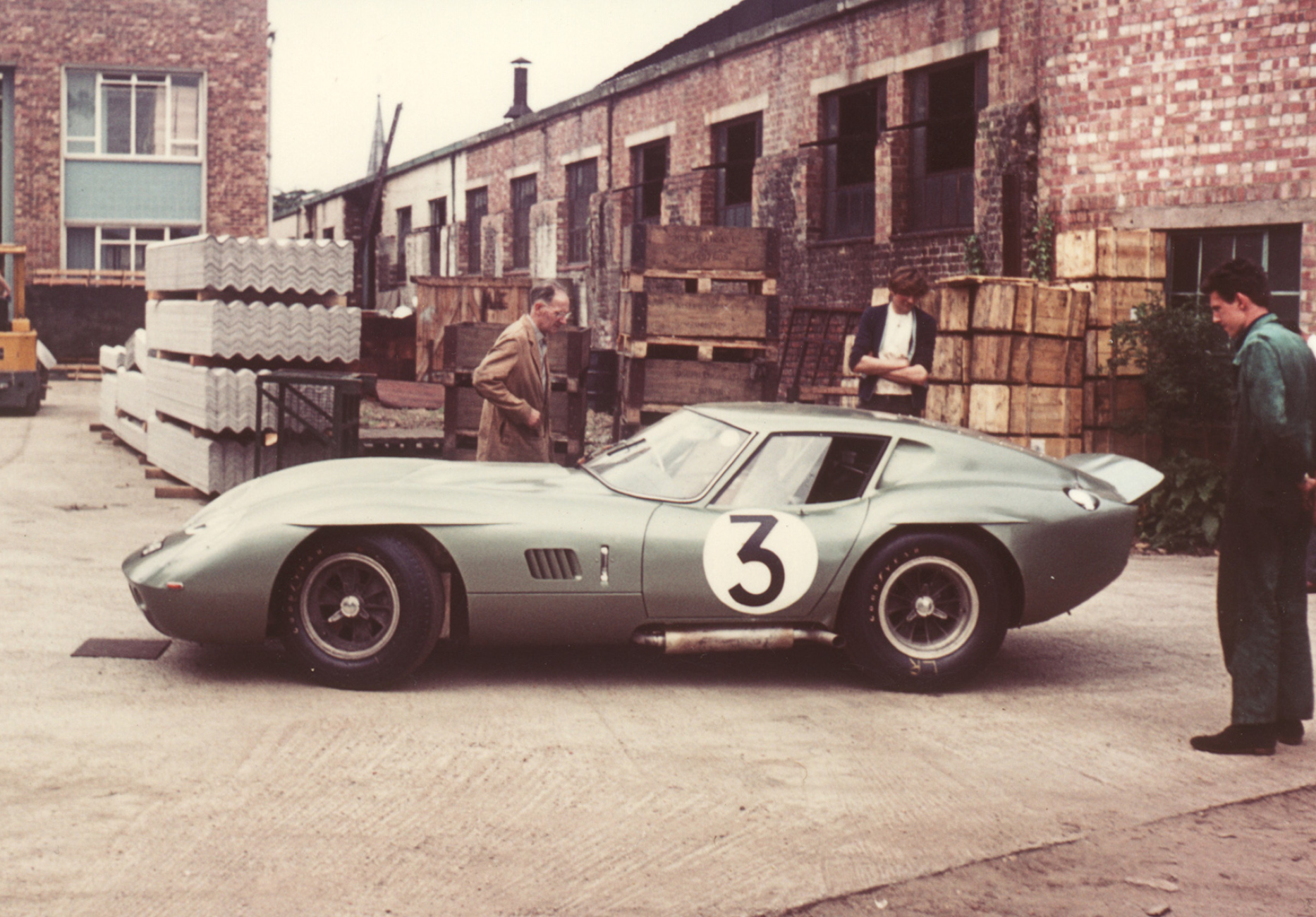
It began in 1961 with a retired Texan for whom sitting still simply wasn’t written into his genes. Carroll Shelby—Le Mans winner, former chicken farmer, and the only man who could wrap both Ford and AC Cars around his finger—had an idea of disarming simplicity: he proposed to British manufacturer AC Cars that they install an American V8 into the elegant chassis of the AC Ace.
British finesse meets Texan madness. What emerged was less a car than a
diplomatic provocation on four wheels. The AC Cobra 260 rolled onto the road in 1962 with a 4.3-liter V8—264 hp, 916 kilograms, no carpet, no air conditioning, and zero interest in making the driver comfortable. In 1965 came the 427 with seven liters of displacement and
425 hp—fast enough for an entry in the Guinness Book as the world’s fastest road car, over 290 km/h, entirely without spoilers, downforce, or common sense. A car that swallowed Ferraris and had Corvettes for dessert. And then, at some point, it was over. Production ended, the legend remained—at auctions, in garages, and in the dreams of all those who were simply born too late.
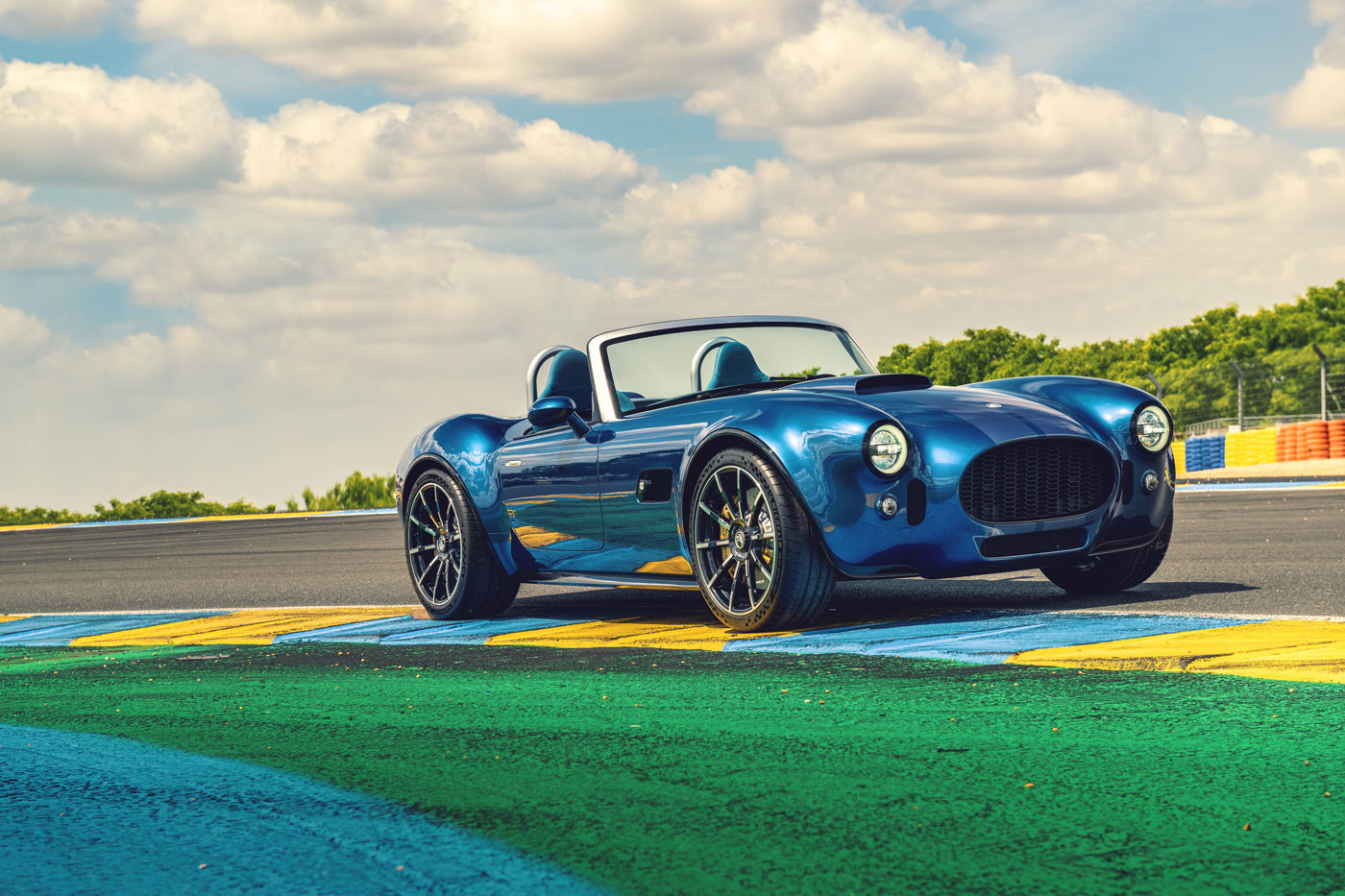
AC Cars didn't just revive a car. They brought back an entire era
Until now.
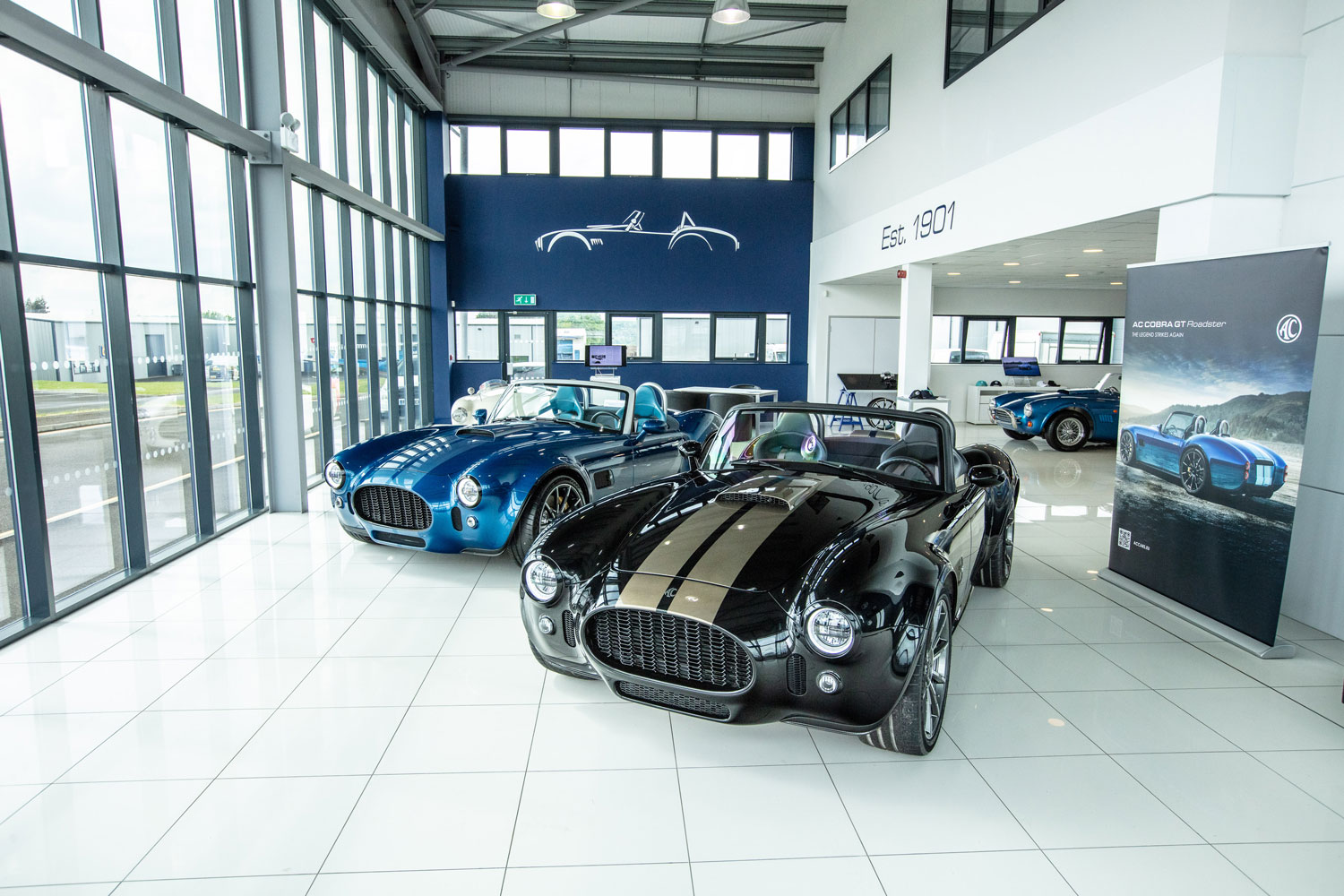
Since 2022, Swiss entrepreneur David Conza has led AC Cars, and what has happened since can best be described as a quiet but very determined return. Not only is the AC Cobra back—the entire family is. And because AC Cars has proven for 125 years (founded 1901) that understatement is their favorite form of showing off, they did it right from the start.
Leading the charge is the AC Cobra GT Roadster—the centerpiece of the return. The result of over six years of intensive development, a sports car conceived from the ground up that preserves the spirit of the original
while confronting it with what modernity has to offer in materials and performance. Beneath the sculpted carbon skin sits an aluminum space frame, up front the Ford Coyote V8 with five liters of displacement—in the supercharged variant 663 hp and the honest prospect of hitting 60 in 3.4 seconds, whether you’re ready for it or not. Those who want a bit more roof overhead—
without going soft—reach for the AC Cobra GT Coupé.
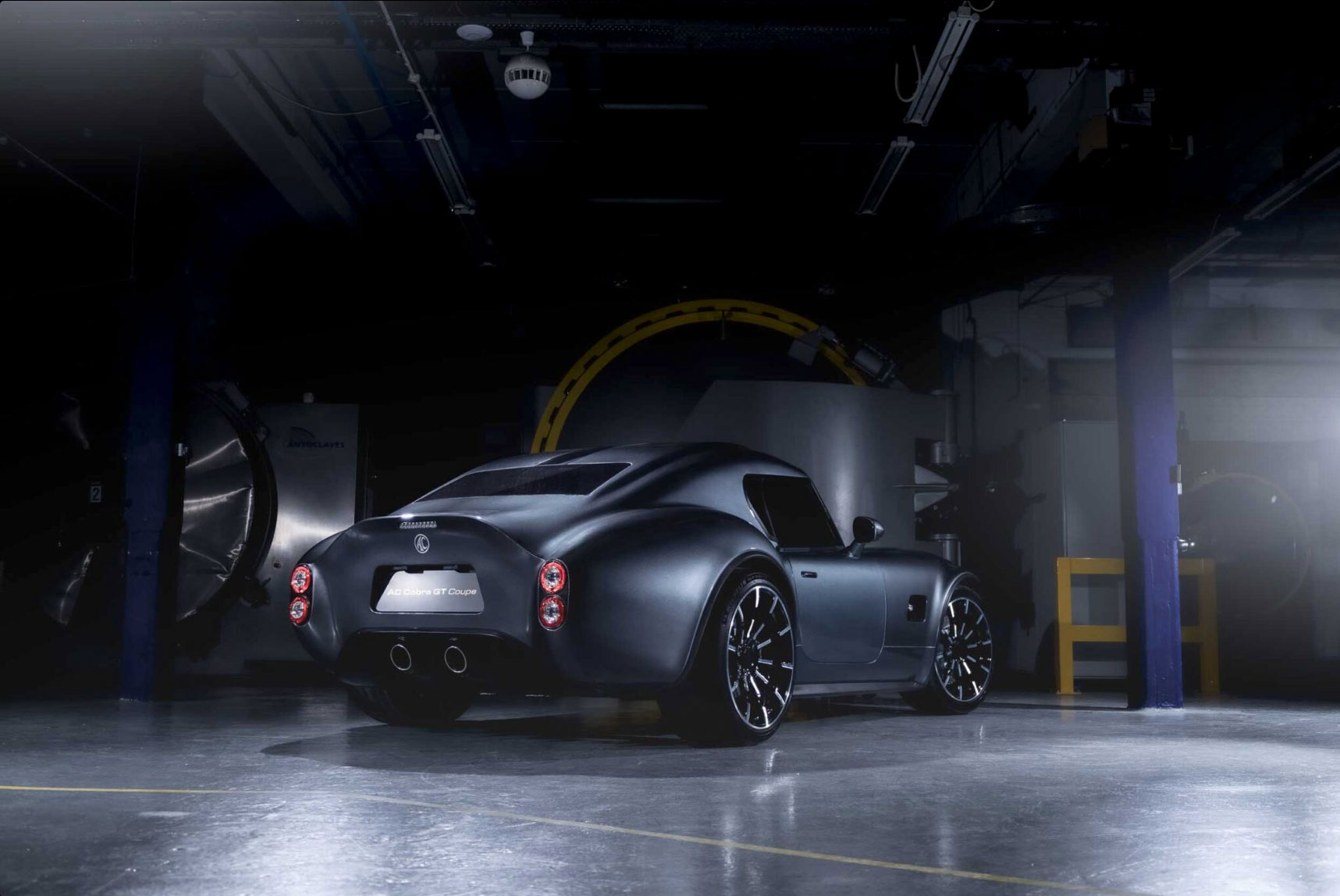
Inspired by the legendary AC A98 Le Mans race car from 1964, it shares chassis and drivetrain with the Roadster but brings a closed roof with a Kammtail rear that improves aerodynamics and, incidentally, looks so good you almost feel ashamed writing about it objectively.
But AC wouldn’t be AC if they stopped there. With the newly founded AC Classics Division, after 61 years the AC Ace Classic and the AC Ace Bristol Classic also return—the vehicle that gave the Cobra life in the first place. The Ace Classic adopts the sleeker front of the late originals, which the first AC Cobra also wore, while the Ace Bristol Classic arrives with the characteristic “Smiling Face” grille of the early 1950s—two faces, one soul. Both models carry a carbon body, are powered by an engine with over 300 hp, and weigh just 1,100 kilograms.
Those who prefer to drive silently but still arrive loudly will find their choice in the AC Ace Classic Electric—a model that proves you don’t need conviction for electric drive, just the right body. Limited to 49 examples and thus as rare as a Brit cutting in line.
AC Cars didn’t just revive a car. They brought back an entire era—with carbon bodywork, without apologies, and with the British self-assurance that only someone who’s been around since 1901 can radiate. Those who previously only knew the stories of the AC Cobra and the AC Ace can now experience them firsthand—in whatever form the snake chooses to strike.
ac.cars
Jürgen Preuss, infact.digital
Copyright: AC Cobra