
- The Power Pit
- The Ferrari Luce is not an electric car
The Ferrari Luce is not an electric car
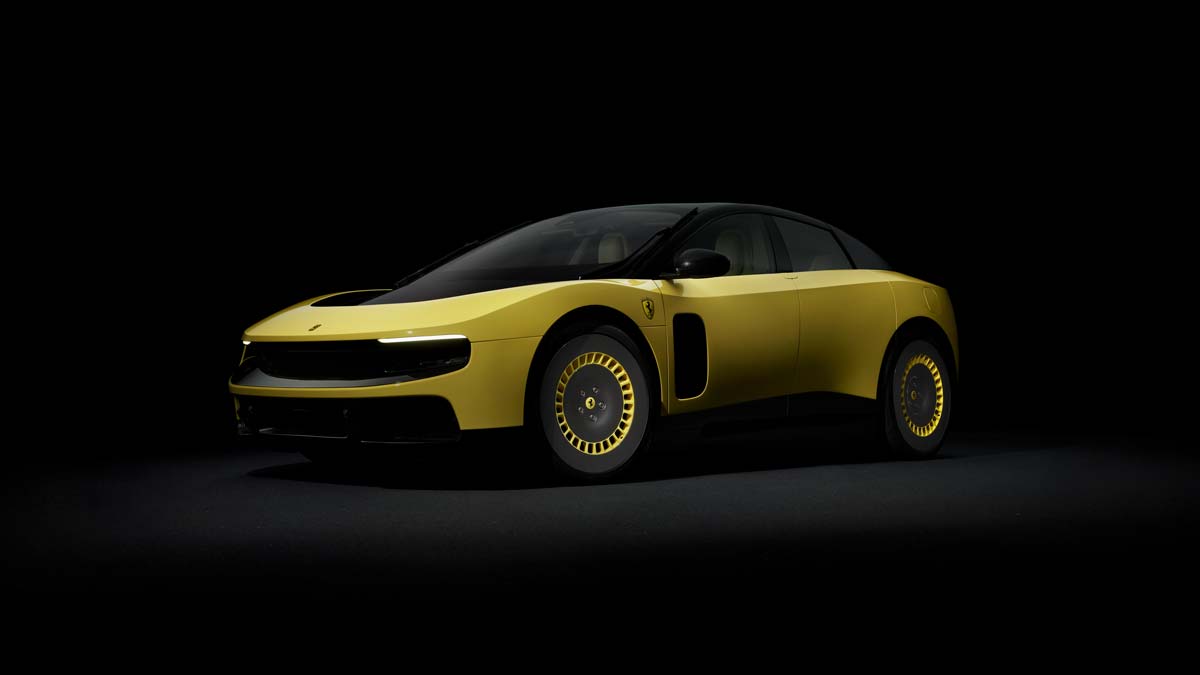
At least not in the way we know electric mobility today. Because while the entire industry is explaining to each other how big displays need to be, how futuristic sounds should sound, and why every car has to look like an aerodynamically optimized refrigerator, Ferrari comes from Maranello – and builds something completely different. Something with soul.
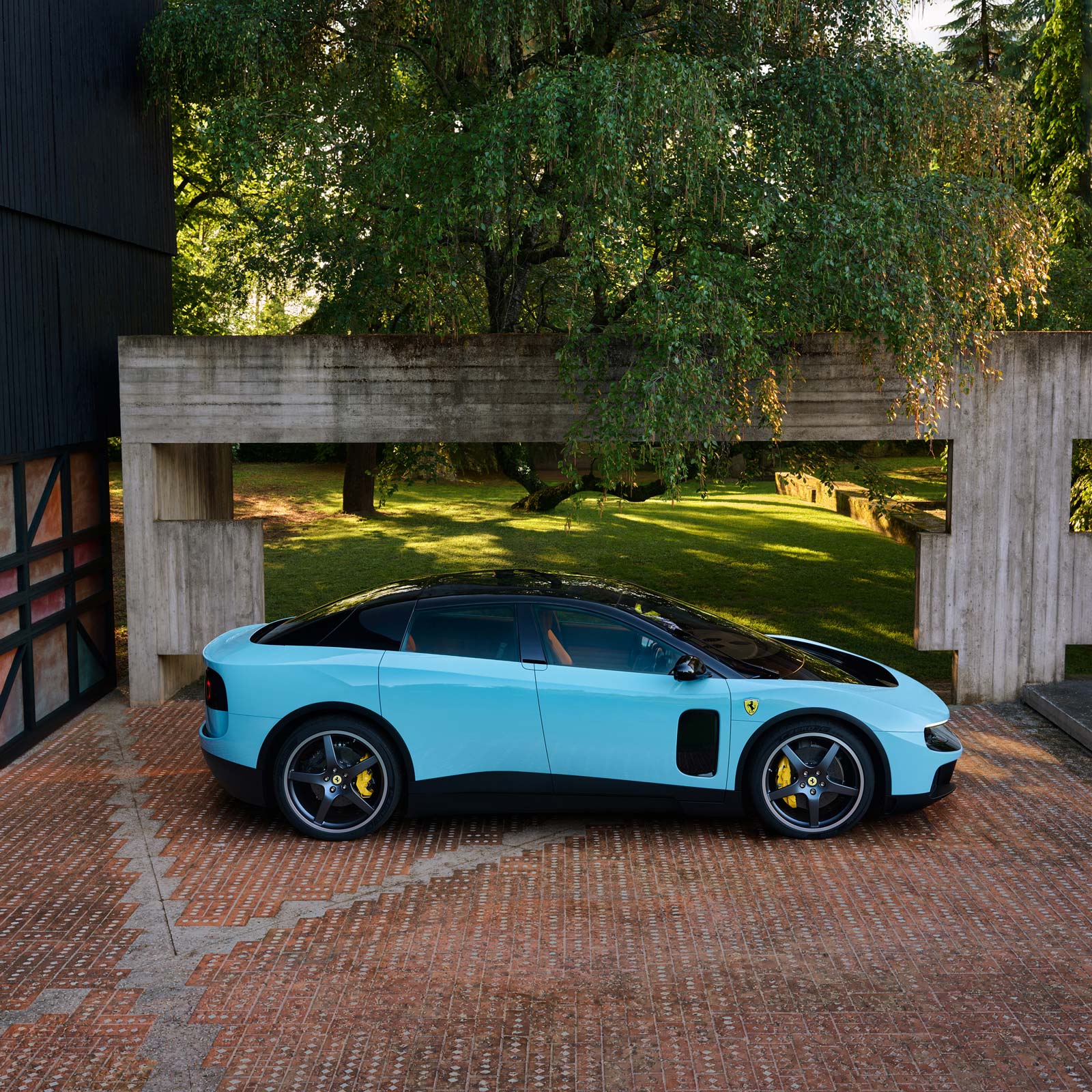
Or as an Italian would probably say with a grin: “Finalmente… una macchina con cuore.” Finally, a car with heart again. The Luce is not an attempt to replace an internal combustion engine. And it’s not a sterile tech demo for people who see their cars as extended smartphones. Ferrari has understood that true fascination never comes from spec sheets. But from feeling. From attitude. From that one moment when you see a car, open the door, and immediately know:
This is exactly what the future looks like.
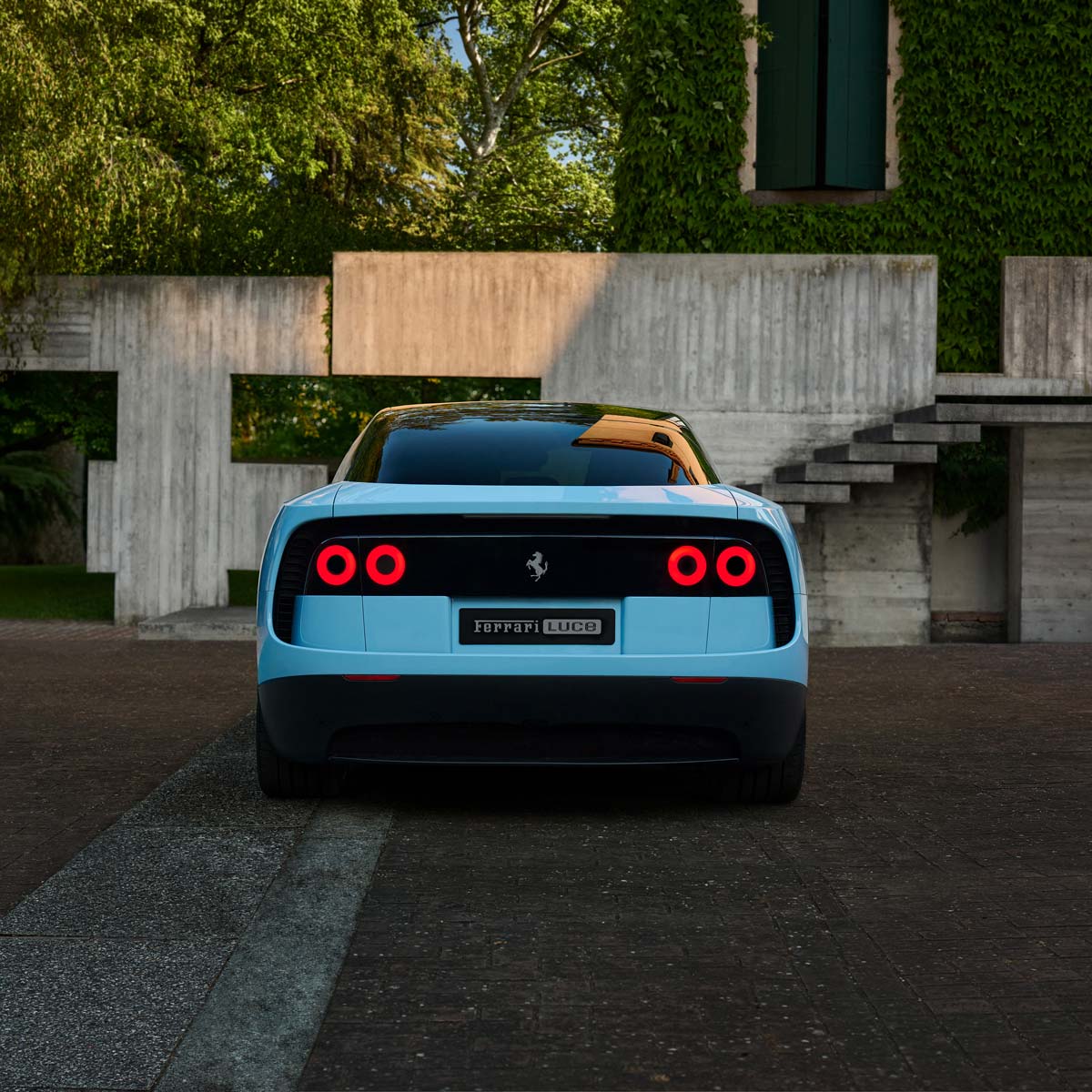
The Luce doesn’t need exaggerated edges. No pointless monster diffusers. No aerodynamic wings that look like someone mistook a wind tunnel for a tuning catalog. Everything about this car seems logical. Elegant. Self-evident. And that’s where the magic lies.
Or as they say in Italian: La bellezza non urla. True beauty doesn't need to shout.
The air doesn’t just flow around the vehicle – it works with it. The aerodynamics are not an applied design feature, but part of an intelligent overall system. Flexible. Active. Harmonious. The Luce doesn’t look fast because it wants to be aggressive. It looks fast because every line has a purpose.
You don’t build something like this if you just want to develop an electric car. You build something like this if you want to rethink the automobile. “La bellezza non urla.” True beauty doesn’t scream. And that’s exactly what makes the Luce incredibly good. Ferrari has understood what everyone else has forgotten. The biggest mistake of modern cars? They no longer feel like machines.
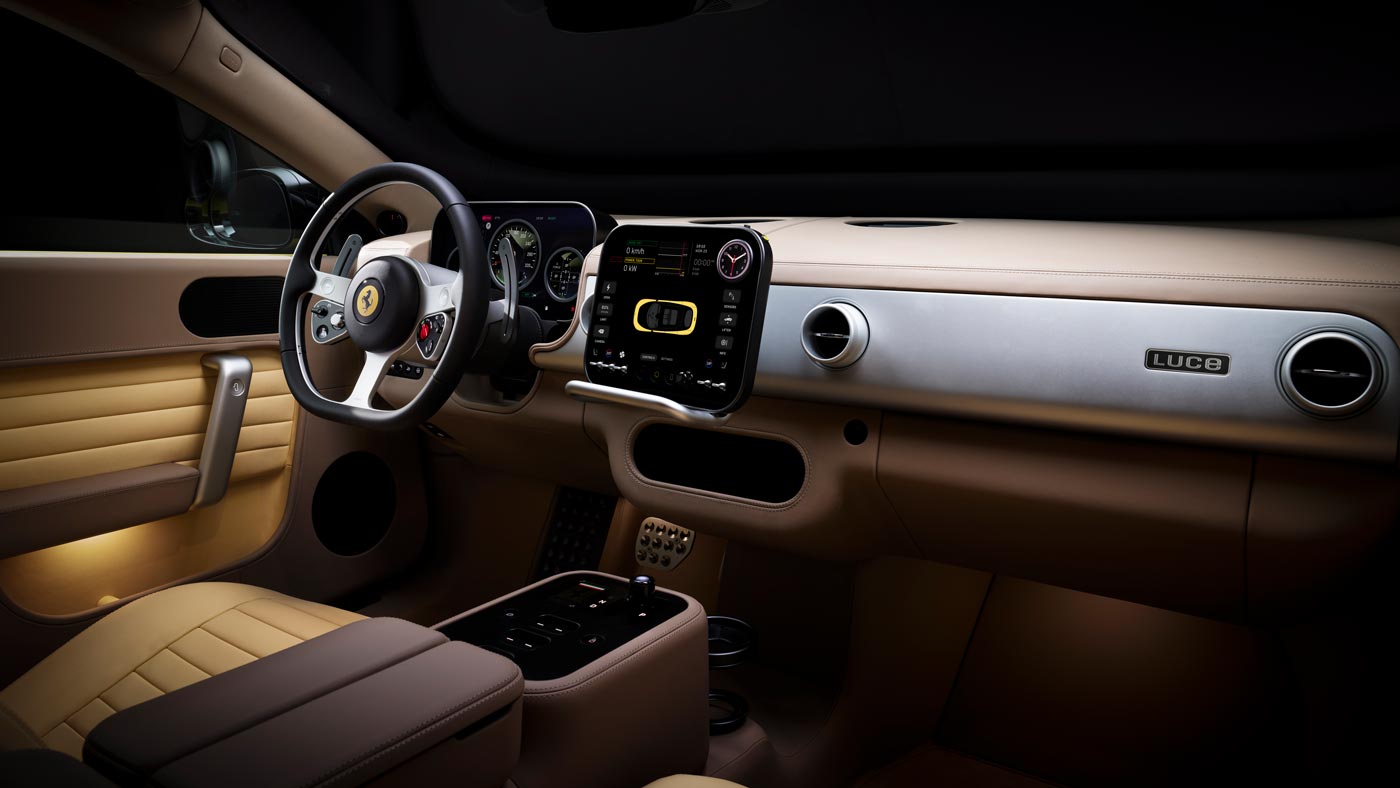
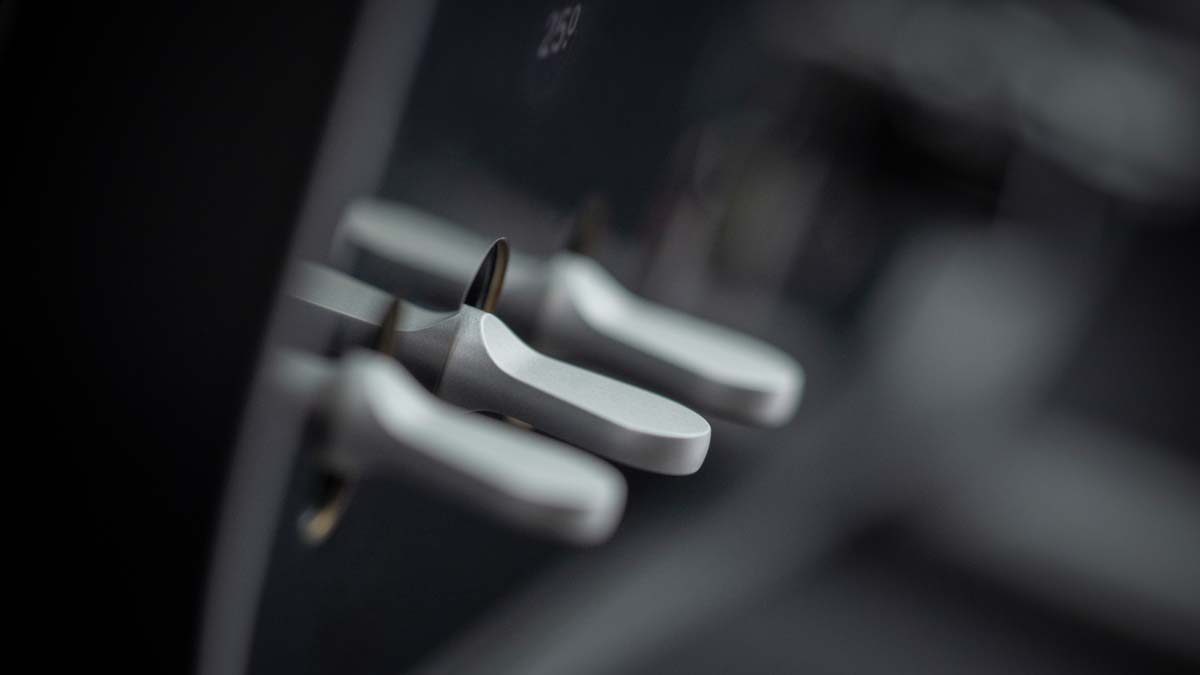
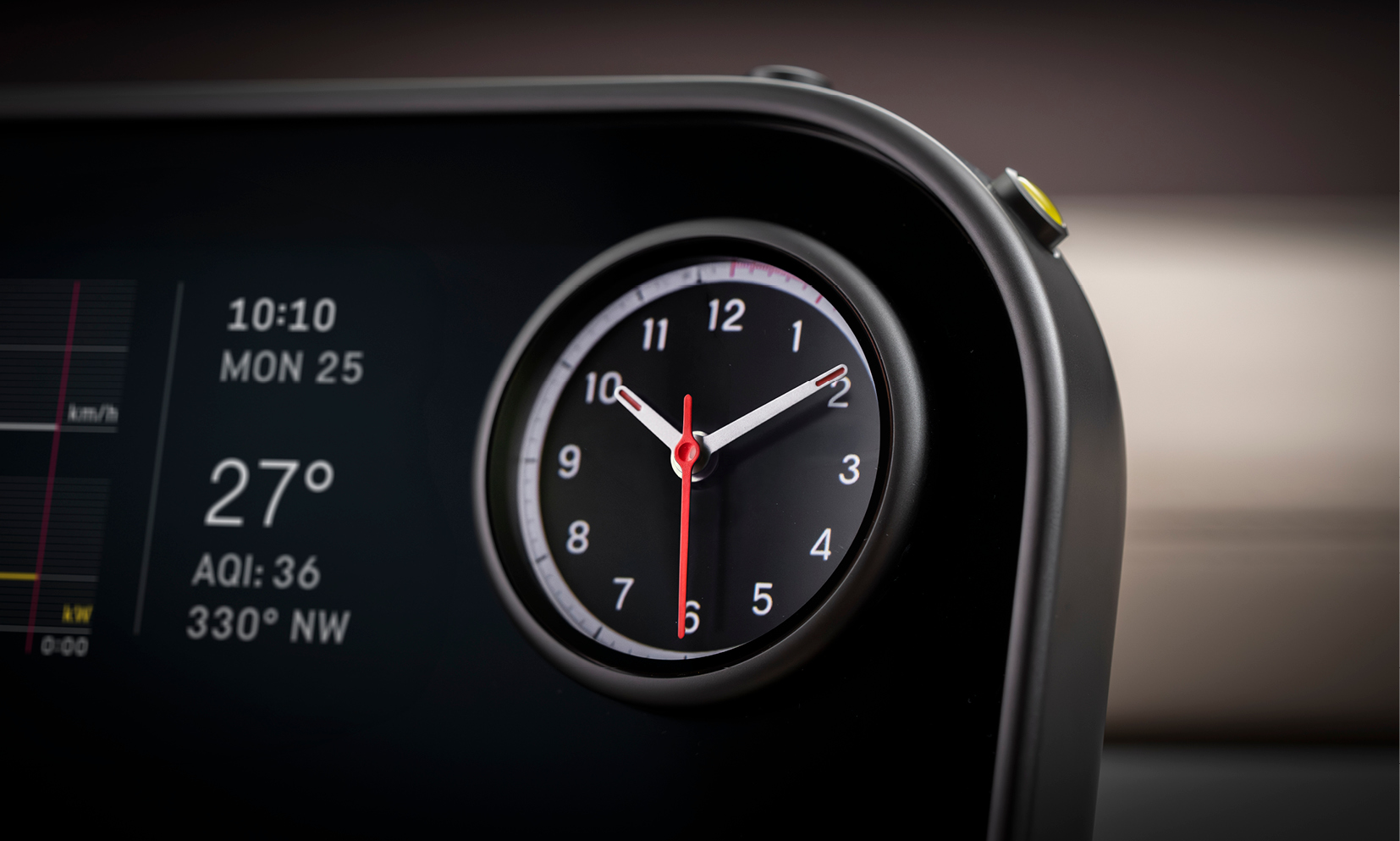
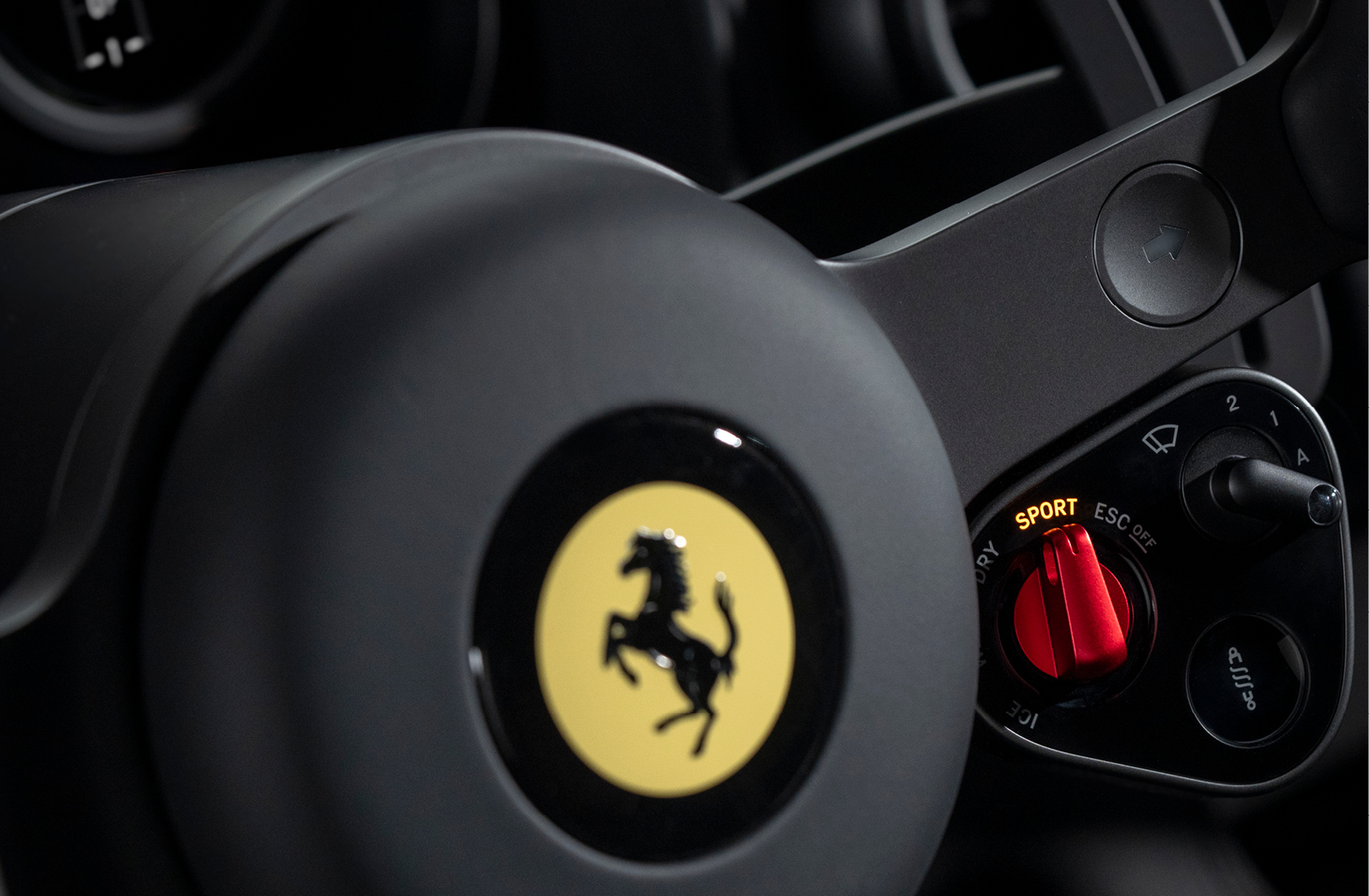
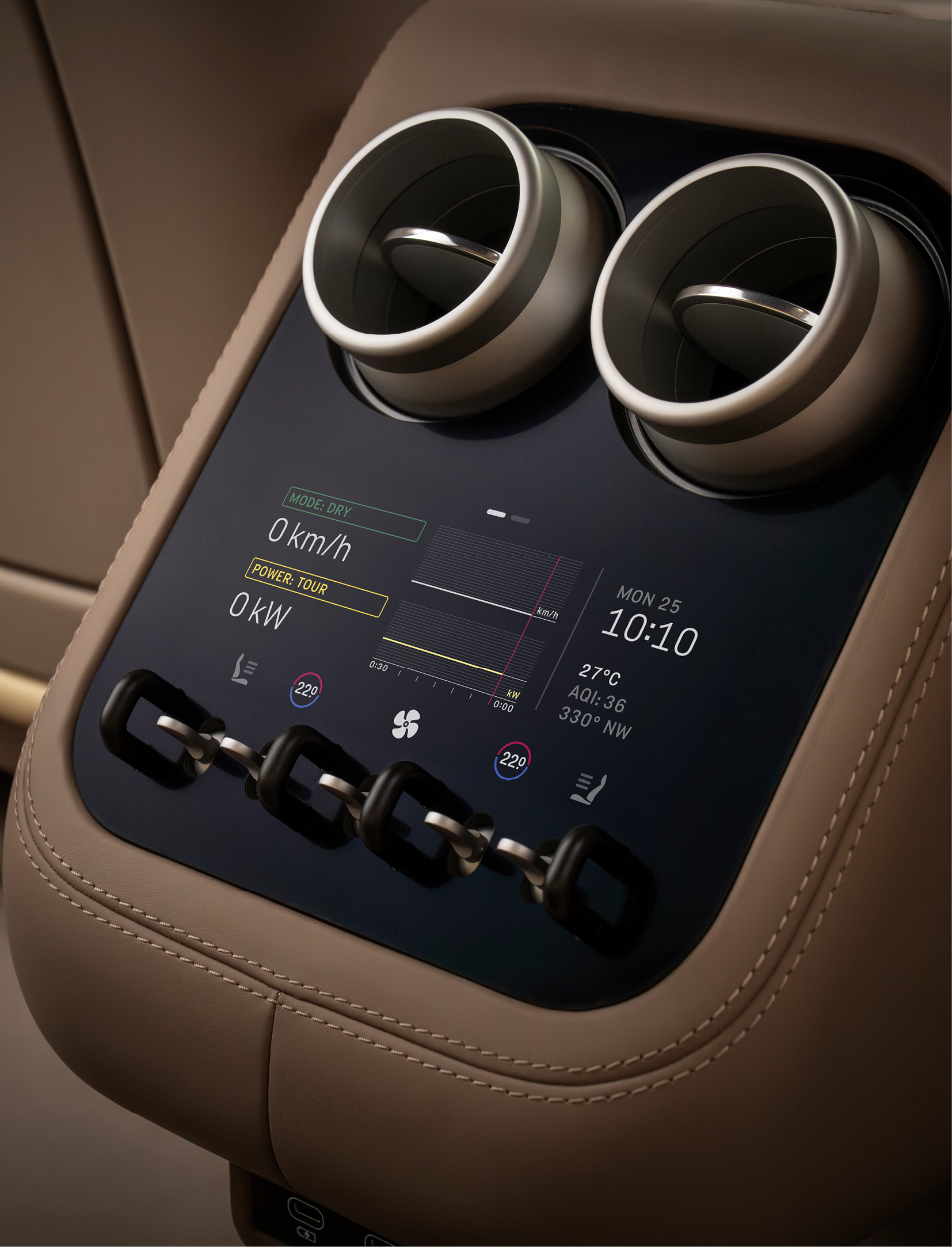
Everything is smooth. Everything is digital. Everything is “swiped.” The Luce does the exact opposite. “Human Interface at a Smile” — it’s hard to describe the idea behind this interior more aptly. Because here you don’t interact with menus. You interact with the car. You pull a mechanical switch. You feel aluminum under your fingers. You place your hand on real materials. You use controls that deliberately feel physical.
Here, touch doesn’t mean swiping on glass. Touch means contact. Finally, a car that understands that people experience emotions not through fingerprints on screens. But through haptics. Resistance. Movement. Precision. The Luce combines classic Ferrari DNA with state-of-the-art technology — and suddenly everything else seems astonishingly soulless.
Or, as they say in Italian: “Macchina, non elettrodomestico.” A machine. Not a household appliance.
The sound is not noise, but information. Ferrari could have made it easy. Some artificial future sound. A digital fake V8 from speakers. A bit of “Star Wars,” a bit of gaming. After all, almost everyone does that today.
But this is precisely where Ferrari’s consistent thinking behind the Luce becomes apparent. Because the idea behind the sound is not volume. Not show. Not artificial drama. Ferrari wants to make the mechanics audible. Movements. Frequencies. Processes. Not as noise — but as information. The sound should convey to the driver what the vehicle is currently doing. Honest. Technical. Precise.
Mamma mia… what a car.
The Luce is not an answer. It’s a declaration of war. Ferrari isn’t just building an electric vehicle here. Ferrari is redefining what a modern automobile can even be. No declaration of renunciation. No moral exercise. No rolling power bank. The Luce is engineering with passion.
Four electric motors. Intelligent driving dynamics. A vehicle architecture designed entirely for the driving experience. And at the same time, Ferrari thinks beyond the sales launch. The lifecycle program answers the questions that many manufacturers would prefer to suppress: battery, long-term quality, value retention, future-proofing. That, too, is part of true engineering. And that’s why you want to experience this car. Because the Luce doesn’t try to please everyone. Because it has character. Because it doesn’t look like the hundredth electric cookie-cutter car from the wind tunnel.
And perhaps that’s the biggest surprise: Ferrari is building the first electric car in a long time where you don’t first think about range or charging times. Instead, you have only one thought: I have to drive this car. “Mamma mia… che macchina.”
Jürgen Preuss, infact.digital
Copyright: Ferrari